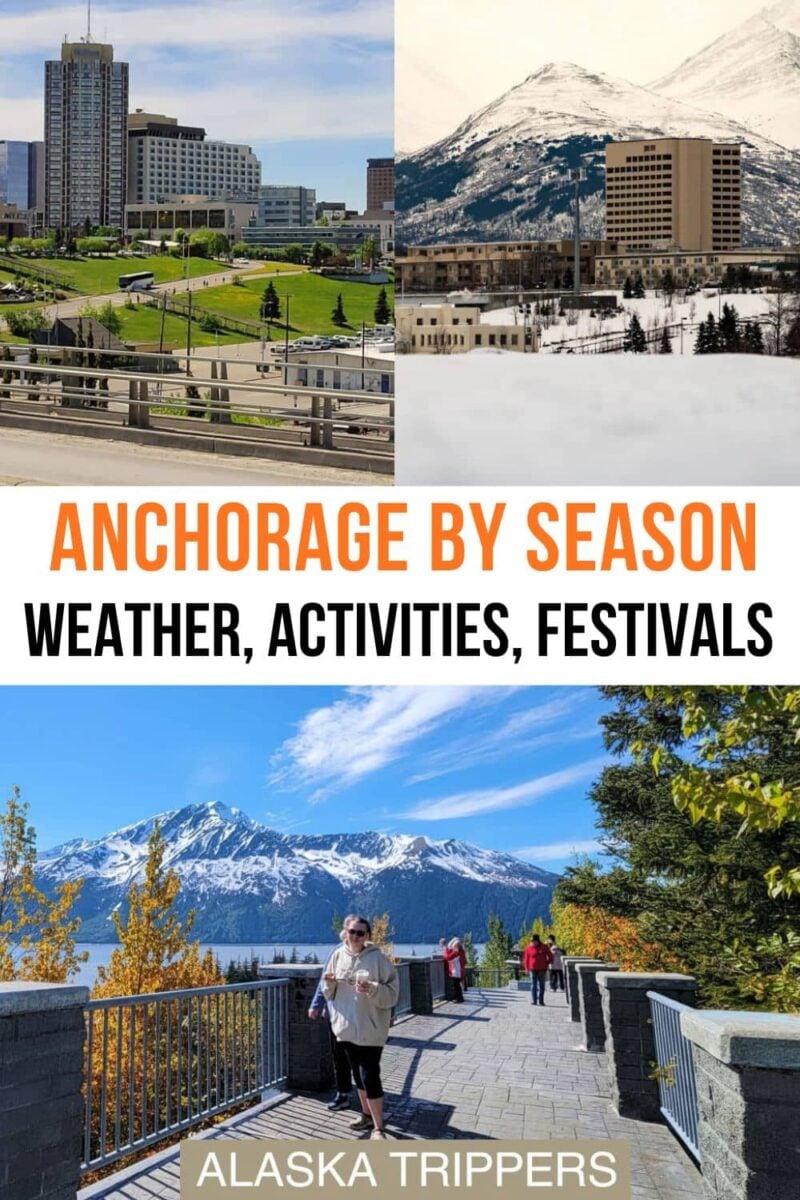
Anchorage By Season: A Complete Year-Round Fun Activity Guide
Anchorage delivers a unique experience each season, from summer’s endless daylight to winter nights illuminated by the northern lights.
Summer is perfect for hiking, glaciers, and wildlife; winter offers aurora viewing, dog sledding, and snowy recreation. Spring features migrating whales and birds, while fall provides colorful foliage and more solitude.
When you visit matters as much as where you go. We’ve seen newborn wildlife and heavy snow melt in the spring and enjoyed fall colors on other visits.
Anchorage By Season: What To Expect
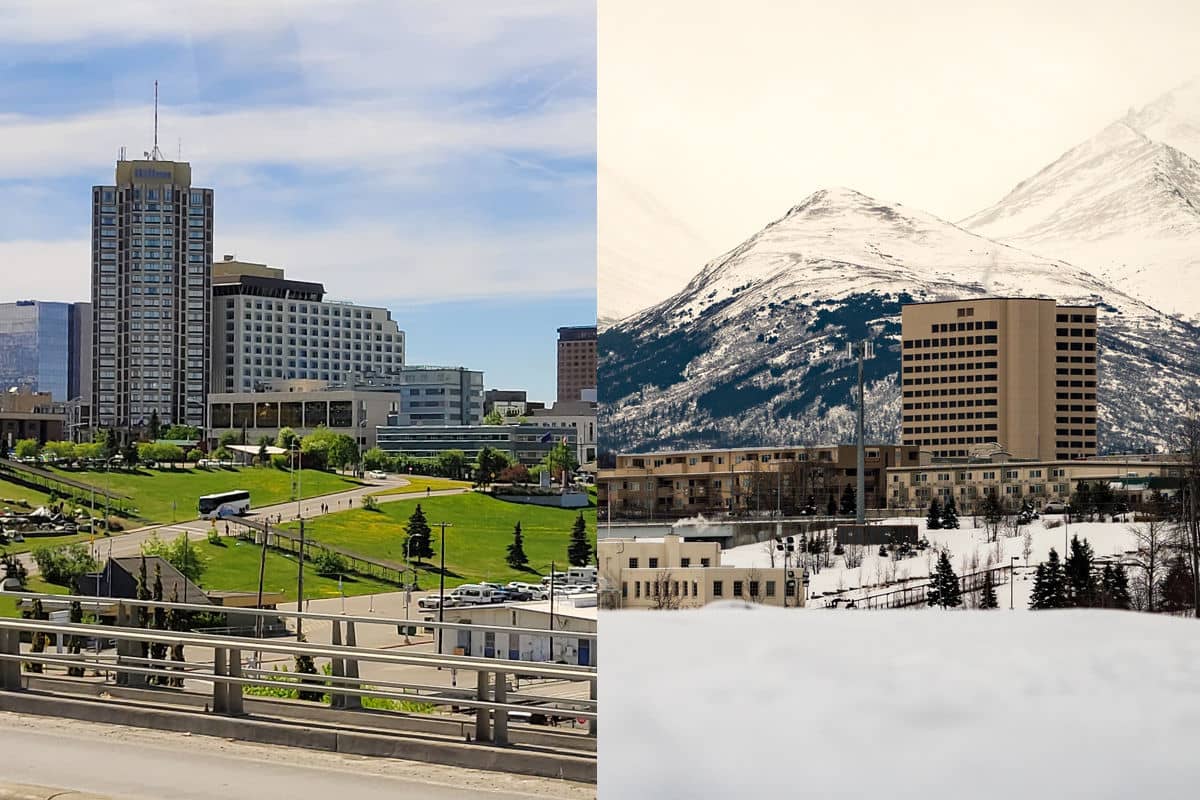
Anchorage experiences dramatic seasonal shifts. Grasping climate patterns and seasonal highlights helps you plan your trip around the activities that matter most to you.
Anchorage Climate Overview
Anchorage has a subarctic climate. Summer (June to August) is the warmest and busiest time. In contrast, winter sees snowfall from October and can continue through April, averaging about 75 inches annually.
Daylight varies dramatically throughout the year. In June, Anchorage receives nearly 20 hours of daylight per day, influencing outdoor activities and wildlife movement. By December, daylight shrinks to about five hours, affecting daily routines, travel, and wildlife patterns.
|
Season |
Low & high temperatures |
Notes |
|---|---|---|
|
Spring |
40s–50s°F |
Muddy or snowy trails |
|
Summer |
55°F–66°F |
Occasional rain |
|
Autumn |
30s–50s°F |
Lots of rain |
|
Winter |
5°F–30°F |
Oct to April snow |
Seasonal Highlights
Summer (June to August) is ideal for wildlife, hiking, and glacier activities, thanks to the long daylight from the midnight sun. Compared to other seasons, it’s the busiest and most expensive.
Winter (November to February) stands out with skiing, dog sledding, and northern lights viewing, as well as seasonal cultural events and sports. Compared to summer, expect colder temperatures and much less daylight.
Spring and fall mean lighter crowds and better prices compared to peak summer. Spring features migrating birds and newborn wildlife, while fall is known for bright foliage and the aurora’s return, distinguishing them from the extremes of summer and winter.
Spring In Anchorage: Nature Awakens
Spring transforms Anchorage into a wildlife spectacle as migrating birds return. With winter behind us, trails emerge from the snow, and the city celebrates the season’s arrival with lively festivals.
Wildflower Trails
Anchorage’s trails burst into bloom from late April to June. Early flowers like pasque and wild geranium line the Tony Knowles Trail, while Glen Alps in Chugach State Park fill with lupine and fireweed.
The best displays are on mid-elevation trails (1,000–2,000 feet). Sea-level trails bloom first in late April, with higher elevations peaking in June. Flattop’s lower slopes offer great color without a summit hike. Expect muddy or snowy trails through mid-May, so waterproof boots are a must.
Bird Watching
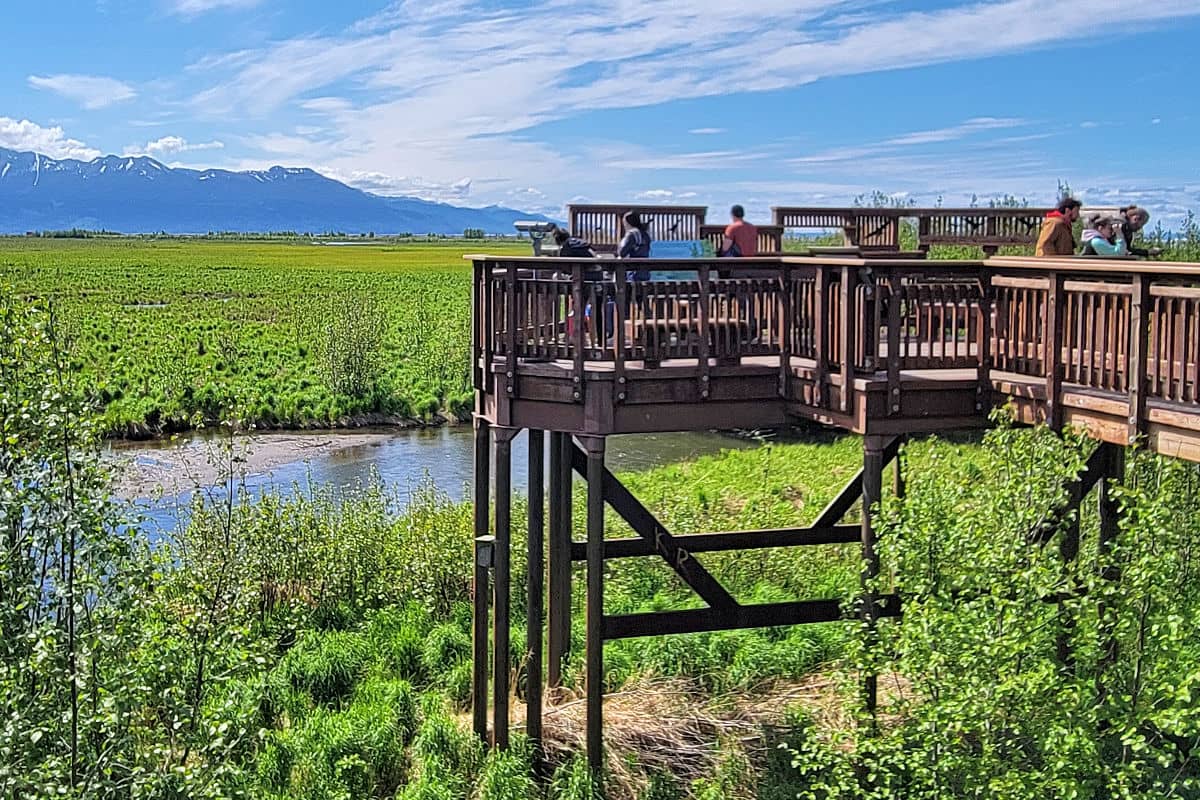
Over 200 bird species migrate through Anchorage each spring. Potter Marsh, 10 miles south of downtown, becomes a birding hotspot in April for Arctic terns, sandhill cranes, and waterfowl. The boardwalk trail provides easy viewing access without disturbing nests.
Westchester Lagoon attracts trumpeter swans and Canada geese beginning in early April. You can observe these birds from multiple viewing points around the lagoon’s perimeter. Bring binoculars to spot smaller species, such as yellow warblers and Wilson’s warblers.
Peak migration occurs from mid-April through May. The Anchorage Audubon Society leads free guided walks during migration season for beginners and experienced birders alike.
Top Things To Do In Anchorage In Summer
The mild temperatures and extended daylight allow you to pack multiple activities into a single day.
Outdoor Adventures
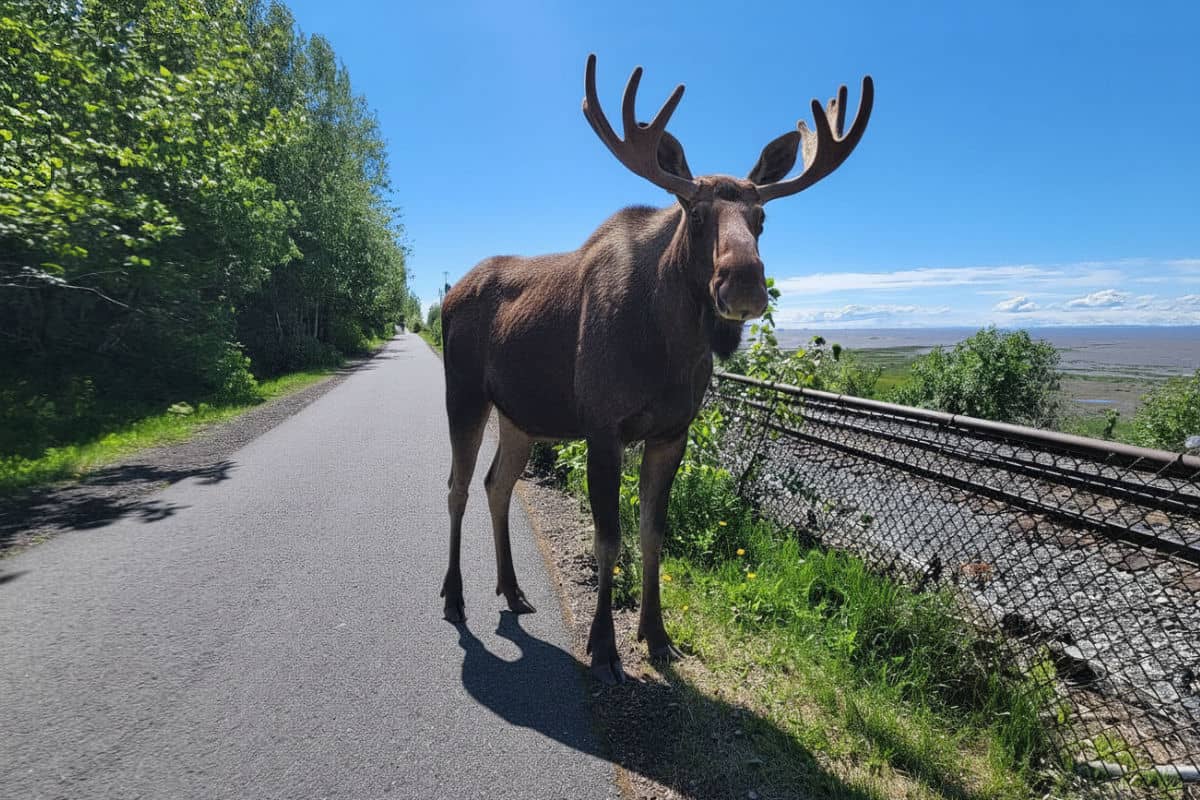
Anchorage’s hiking trails are minutes from downtown. Climb Flattop Mountain on a 3.5-mile route for panoramic city and mountain views, or bike and stroll the scenic Tony Knowles Coastal Trail along the shoreline, where you might spot moose grazing nearby.
Glacier hiking is a signature Alaska adventure. Book a guided trip to Matanuska Glacier or take a half-day tour for the Portage Glacier cruise. Alternatively, opt for a flightseeing tour to view several glaciers in one afternoon.
Explore Chugach State Park’s 280 miles of trails. Choose from family-friendly paths like the 2-mile Thunderbird Falls Trail, which ends at a dramatic 200-foot waterfall, to steep backcountry routes for seasoned hikers seeking tough terrain.
Wildlife Viewing
Patience is rewarded in natural wildlife viewing. Spot moose in city parks and neighborhoods. Visit Potter Marsh, south of the city, for a variety of migratory birds and the possibility of bear encounters.
Marine wildlife tours depart from nearby Seward and Whittier. An Anchorage to Seward itinerary can include Exit Glacier, Kenai Fjords, and opportunities to see whales, sea otters, puffins, and seals in their natural habitats.
For guaranteed sightings, the Alaska Wildlife Conservation Center (AWCC) has injured and orphaned animals in natural habitats near Anchorage. Visitors can see bears, moose, caribou, and other native species. In early May, newborn bison, muskox, and elk are often present. This wildlife center is open year round.

Without a car, this tour visits the Alaska Wildlife Conservation Center and Portage Glacier.
Festivals And Events
Summer Solstice celebrations in June mark the longest day of the year with community events and midnight sun activities. The Anchorage Market and Festival runs every weekend from May through September, featuring local vendors, crafts, and food.
July welcomes music festivals and outdoor concerts. The Girdwood Forest Fair combines arts, crafts, and live music in a mountain setting. These community meetings showcase Alaska’s cultural life and provide opportunities to meet locals.
Water Activities
Kayak Anchorage’s tidal inlets to observe marine life and rugged scenery. Outfitters rent gear and lead trips for all abilities. Eklutna Lake makes a great road trip from Anchorage. It features calm waters suitable for beginners.
Book a guided fishing charter to target salmon during peak summer runs from June through August. Cast for king salmon in early summer, then pursue sockeye, pink, and silver salmon as they arrive through mid-August.
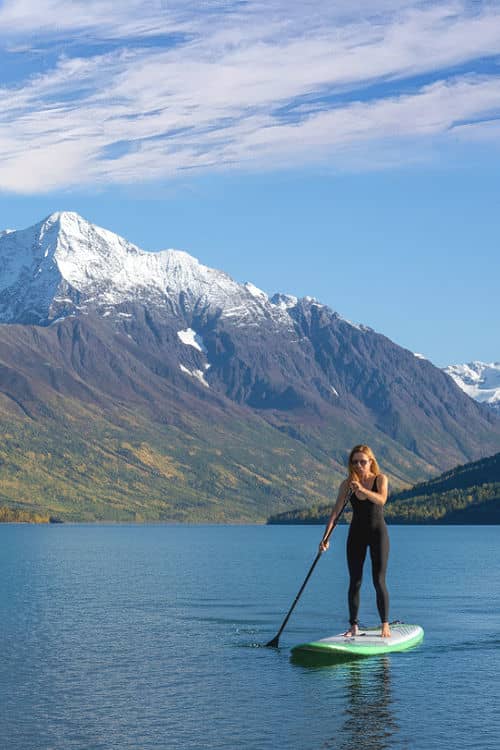
Try stand-up paddleboarding on calm lakes and bays. This easy-to-learn activity lets you enjoy Alaska’s waterways from a fresh viewpoint.
Anchorage Fall Highlights
Fall transforms Anchorage into a collage of golden birch and crimson fireweed. September to October offer fewer crowds and unique seasonal experiences that rival the summer peak.
Scenic Fall Drives
Glenn Highway to Matanuska Valley becomes stunning in fall, especially the section near Palmer where the Chugach Mountains frame expansive farmland. The best colors typically appear in mid-September, though conditions vary by elevation.
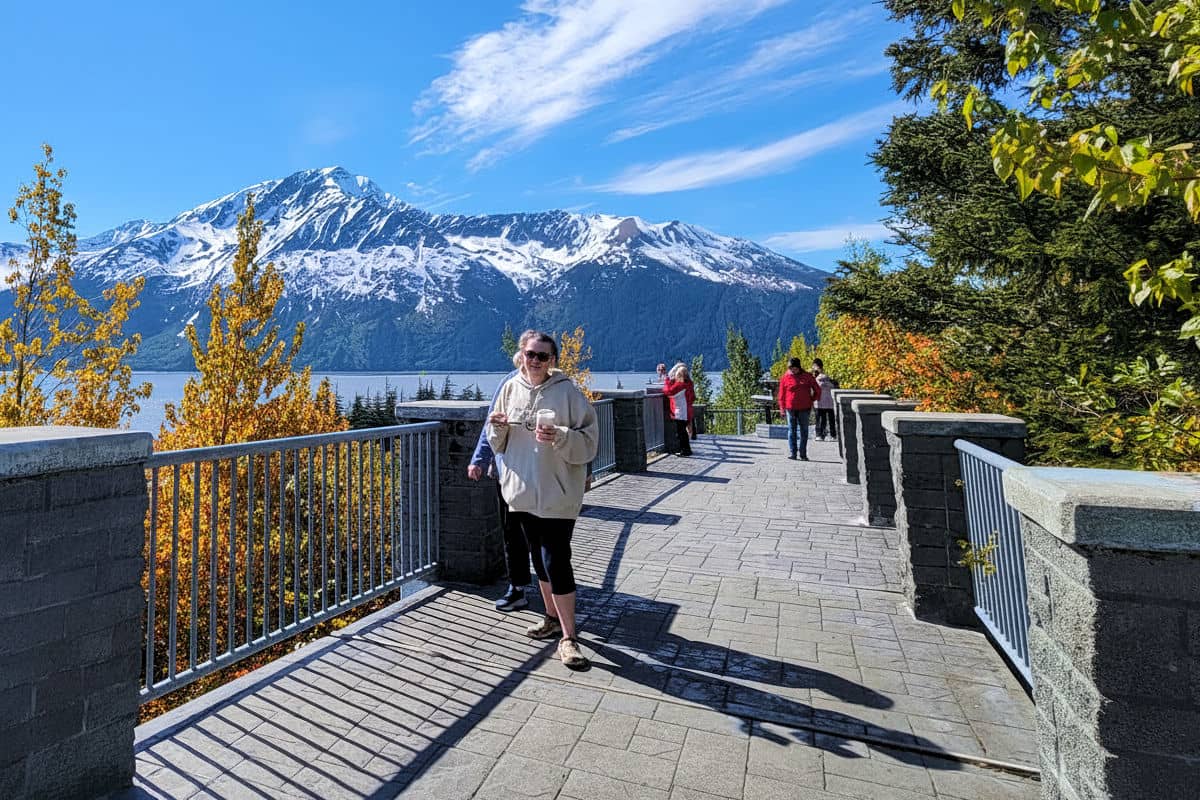
The Seward Highway provides another option. Mountainsides glow in autumn colors against snow-dusted peaks. You can drive this 127-mile route from Anchorage to Seward, stopping at pullouts to photograph Turnagain Arm.
For a shorter excursion, the Tony Knowles Coastal Trail allows you to bike or drive alongside Cook Inlet, where fall foliage meets coastal views. Early-morning drives often reveal moose browsing in the colorful undergrowth.
Harvest Activities
Local farms near Anchorage open for fall harvest fun. Pumpkin patches, corn mazes, and U-pick vegetables are common, with Pyrah’s Pioneer Peak Farm in Palmer being a favorite stop.
Farmers’ markets run through September, supplying fresh produce, baked goods, and local crafts. The Anchorage Market & Festival continues into early fall with reduced hours.
Many farms host weekend harvest festivals in September and early October. Expect hayrides, farm animals, and seasonal treats before winter arrives.
Fall Wildlife Viewing
Moose activity surges during the fall rut, making them easier to spot on trails and in city parks. Kincaid Park and the Coastal Trail are reliable viewing areas. Remember to maintain a 50-foot distance.
Bear viewing stays strong through September as bears feed before hibernation. Guided trips to Brooks Falls or McNeil River offer unforgettable sightings, while local trails like Flattop may have black bears.
Fall migration fills wetlands like Potter Marsh with waterfowl. Sandhill cranes gather near Palmer, and by September, darker nights bring the return of northern lights.
Top Winter Activities In Anchorage
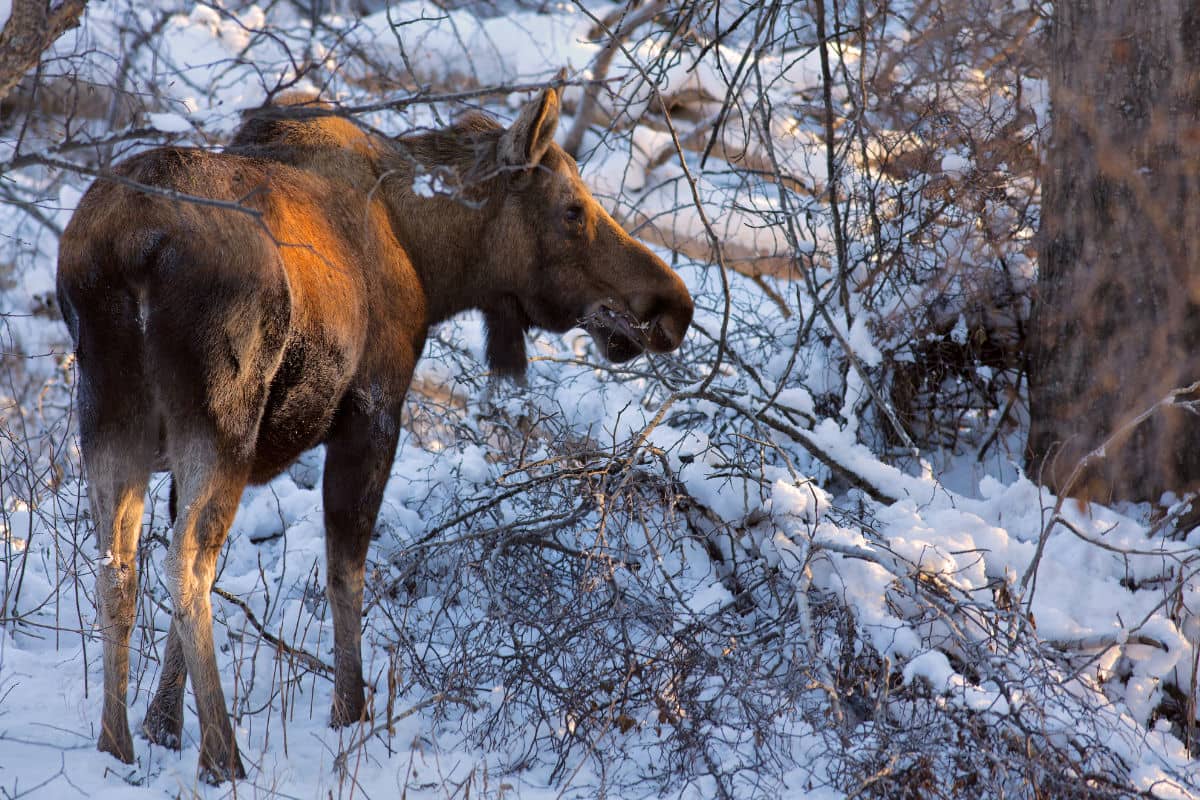
Winter transforms Anchorage into a playground for aurora chasers, outdoor adventurers, and culture fans from November to March. Moose are still viewable, but you’re less likely to see other large wildlife.
Northern Lights Viewing
Anchorage receives little daylight during the winter solstice. The extended darkness is ideal for aurora viewing. The best viewing window runs from late September through mid-April. Peak activity occurs from 10 PM to 2 AM on clear nights.
Popular viewing spots include Kincaid Park, Earthquake Park, and the Glen Alps trailhead. They all offer dark skies away from downtown light pollution.
Download an aurora forecast app to track activity levels and set alerts for geomagnetic storms. Local tour operators offer heated viewing experiences with photography assistance and hot beverages.
Winter Sports
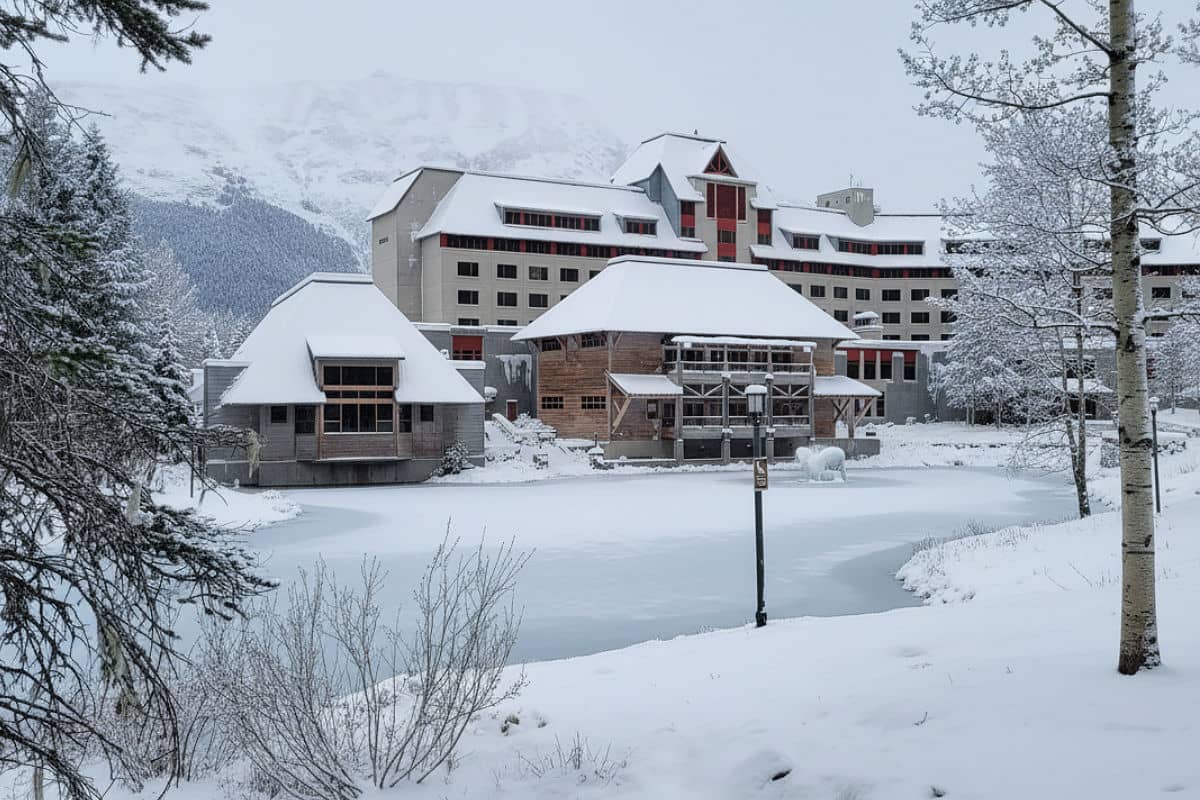
Alyeska Resort, south of Anchorage, provides 1,610 acres of skiable terrain. Open from mid-November through mid-April, it offers night skiing options. Our stay at the Alyeska Hotel in spring offered hiking and other outdoor activities in warmer months.
The Alyeska Resort Hotel with adjoining nordic spa is a fantastic place to stay, no matter what the season.
Closer to downtown, Hilltop Ski Area offers quick skiing sessions and lessons. Arctic Valley, a short drive away, features fewer crowds and affordable lift tickets.
Ski the groomed tracks at Kincaid Park and Russian Jack Springs Park, with rentals and night skiing available. Snowshoe on winding Chugach State Park trails in peaceful winter settings.
Ice skating rinks operate throughout the city, including the outdoor Westchester Lagoon rink and indoor Ben Boeke Ice Arena.
Dog Sledding Experiences
Authentic mushing experiences operate within 30 minutes of downtown Anchorage. Ride on sleds pulled by teams of Alaskan huskies through snowy forests and across frozen lakes.
Several kennels offer half-day and full-day tours that include opportunities to help harness dogs, learn mushing commands, and drive your own team. Many mushers are Iditarod veterans who give insights about training and racing.
Dog sledding is available in both winter and summer. Winter provides the advantage of not needing a helicopter and typically offers lower costs.
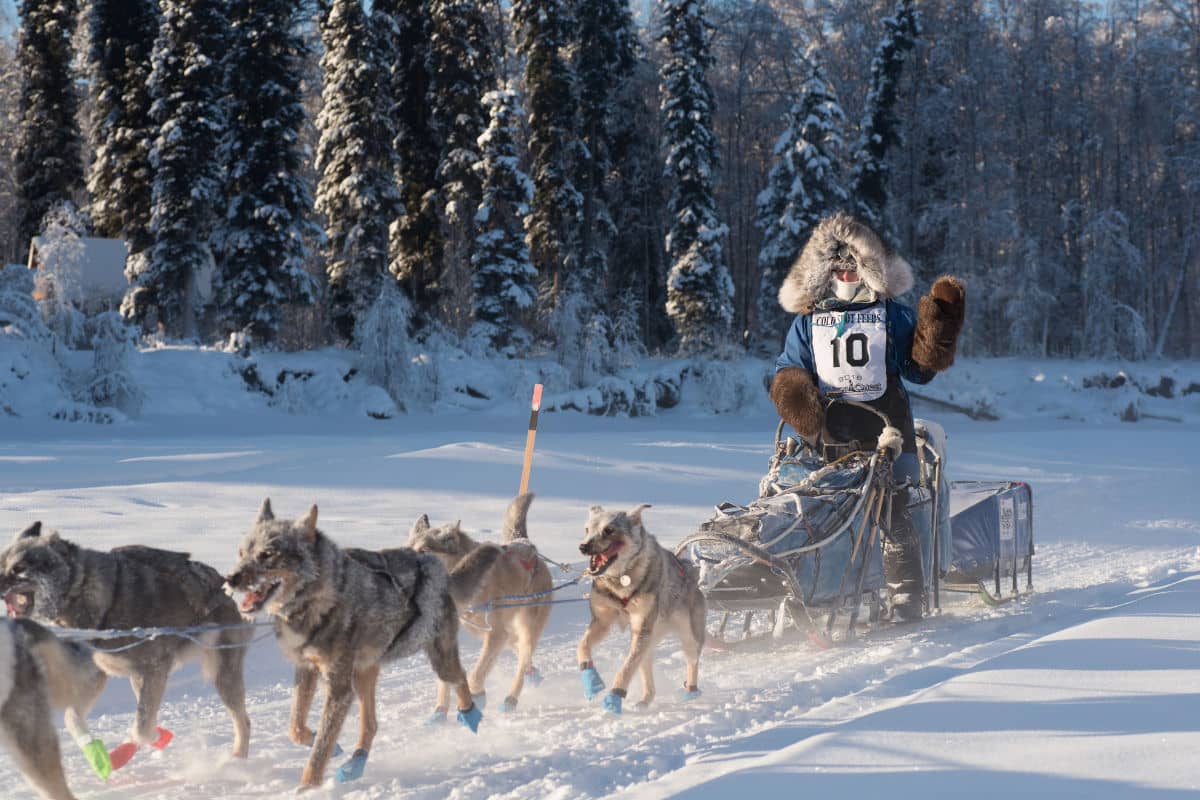
Timing your visit between late February and early March lets you witness Iditarod preparation and the ceremonial start in downtown Anchorage.
Cultural Events
Fur Rendezvous, held each February, ranks as Alaska’s largest winter festival. The 10-day celebration includes outhouse races, ice sculpture competitions, and the World Championship Sled Dog Races through downtown streets.
Winter markets and holiday celebrations run from November through December, exhibiting local artisans and food vendors.
First Friday art walks continue year-round, with downtown galleries staying open late and offering refreshments. The Anchorage Museum expands its hours during winter, featuring exhibits on Alaska Native cultures and Arctic history.
Year-Round Attractions In Anchorage
Anchorage offers consistent attractions year-round. The city’s museums and cultural centers provide insight into Alaska’s heritage, while its dining scene features local ingredients and fantastic seafood.
Museums And Cultural Centers
The Alaska Native Heritage Center is Anchorage’s premier cultural institution. It features authentic village sites and exhibits on Alaska’s Athabascan, Yup’ik, Inupiaq, Aleut, and Tlingit cultures.

You’ll encounter traditional dwellings, watch dance performances, and engage with storytellers who share ancestral knowledge. Summer visits are more interactive. We explored on our own in winter.
The Anchorage Museum spans 170,000 square feet of art, history, and science exhibits. Browse exhibits on Alaska’s geology, Indigenous art, and polar research, and watch a planetarium show on the aurora and Arctic astronomy.
Local Cuisine To Try
King crab and halibut dominate Anchorage menus. Several restaurants source directly from local fisheries, ensuring fresh catches year-round. Beyond seafood, Anchorage restaurants offer many food choices.
You should sample reindeer sausage, a staple at street carts. Smoked salmon appears in various forms, from traditional strips to contemporary spreads and dips.
The city’s breweries craft beers using glacial water, while coffee roasters serve locally roasted beans. Birch syrup is a unique Alaskan alternative to maple syrup, available at specialty food shops and indoor farmers’ markets during winter.

Seasonal Travel Tips For Anchorage Visitors
Anchorage’s dramatic seasonal shifts entail strategic packing and transportation planning to ensure a comfortable visit. Knowing what to bring for each season and how to find your way in the city year-round will help you make the most of your Alaska adventure.
Packing For The Seasons
- Spring (March-May) requires versatile layering since temperatures can range from below freezing to the 50s. Pack waterproof boots for melting snow, a medium-weight jacket, and layers you can add or remove.
- Summer (June-August) is mild, with temperatures typically between 55 and 70°F. Bring lightweight layers, a rain jacket, comfortable walking shoes, and sunglasses for long daylight hours. Don’t forget insect repellent.
- Fall (September-October) calls for warm layers similar to spring. Include waterproof outerwear, sturdy boots, and warm accessories as temperatures drop after sunset.
- Winter (November-February) – You’ll need insulated boots rated to -20°F or lower, thermal base layers, a heavy parka, insulated gloves, and a warm hat that covers your ears. Hand and toe warmers are essential for outdoor activities.
Getting Around Anchorage
Anchorage’s public transit system, People Mover, operates year-round but runs on reduced schedules during winter. Routes connect major attractions.
Rental cars provide the most flexibility for exploring beyond downtown. Winter driving requires experience with snow and ice. All-wheel drive vehicles are recommended from October through April.
Rideshare services operate throughout the city but may have longer wait times during peak tourist season and winter weather events.