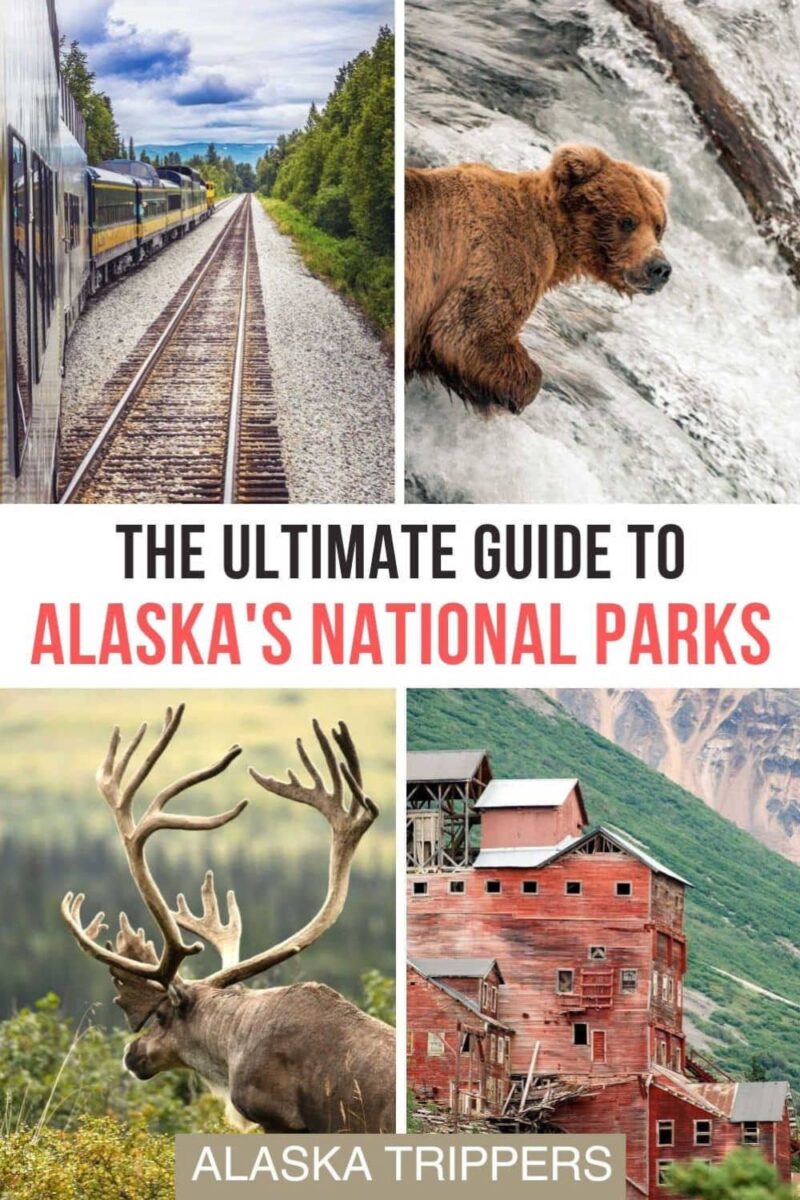
Alaska National Parks And The Best Way To Visit Them
The United States is known for its bucket list parks, such as Yellowstone, Zion, and The Grand Canyon. Often forgotten are the national parks in Alaska, which exude their own beauty.
The best parks in Alaska have tidewater glaciers, towering peaks, and scenic rivers that attract brown bears. Its parks and pristine scenery bring me back for visits year after year.
However, due to their location, many visitors require a flight to access the parks unless they enjoy a long drive.
The parks near the Arctic Circle are far less accessible, so many don’t visit the mountain ranges. Weather and that some areas are only accessible in summer also dissuade travelers.
But before buying that plane ticket or gearing up the RV, discover how to reach them, when to visit, and what these wilderness wonderlands offer.
Is There A Fee To Visit An Alaska National Park?
While Alaska has numerous national parks, only one charges a fee. Visitors can purchase a 7-day pass to Denali National Park for USD 15 per person.
Alternatively, annual vehicle passes cost USD 45 and cover up to four adults. Passes are available at the Denali Visitor Center, Walter Harper Talkeetna Ranger Station, and Murie Science and Learning Center.
Getting To Alaska’s National Parks
Getting to some parks will be more problematic than others. Five of Alaska’s national parks are within reach of Anchorage: Denali, Kenai, Katmai, Lake Clark, and Wrangell-St. Elias.
Denali National Park and Kenai Fjords National Park are accessible by road. However, there is restricted access to Denali in a private vehicle.
Both parks are also reachable by bus or rail, which is a relaxing way to enjoy the Alaskan landscape. The Denali Star Train takes 8 hours to travel from Anchorage. The journey is much shorter, at 4 hours, from Fairbanks, which is the end of the line.
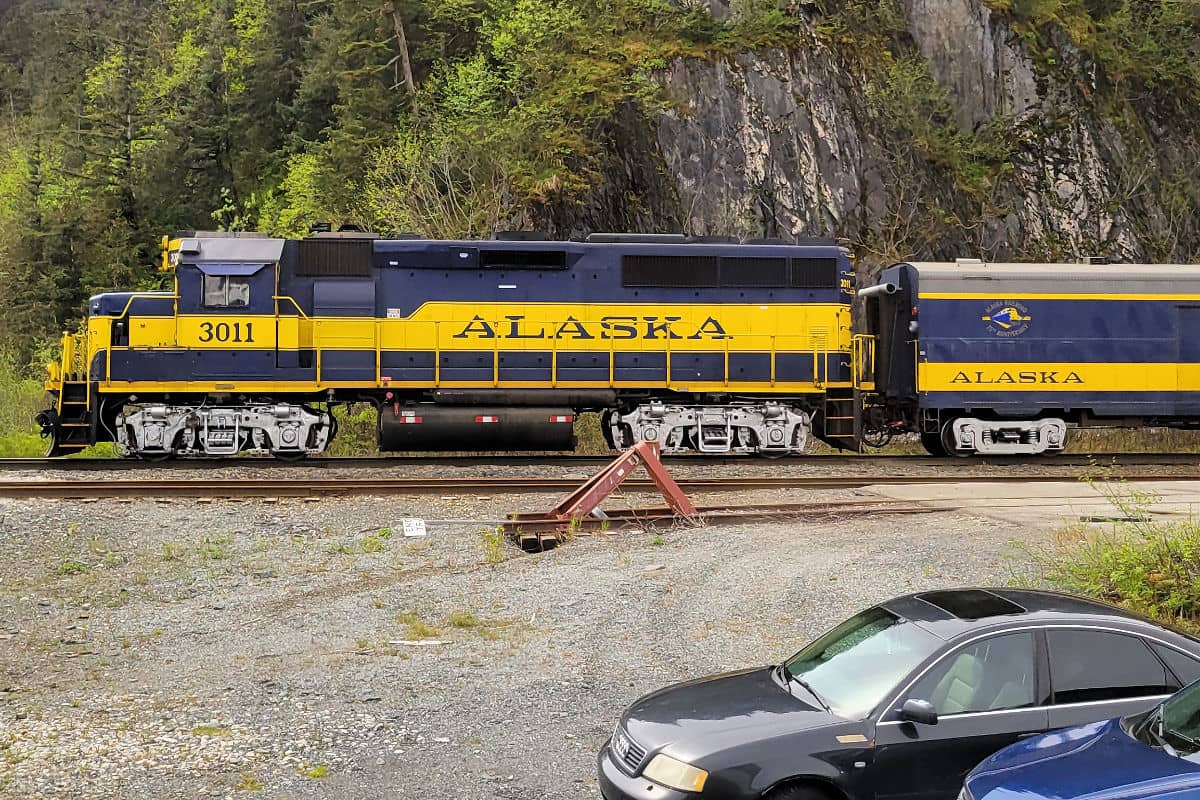
Alternatively, Princess and Holland America’s McKinley Explorer train runs on another track and offers a later departure time. I thought the service was excellent, and the scenic views were hard to beat.
Wrangell-Saint Elias National Park is one of the most accessible parks in Alaska. With over 13 million acres of land, it is also the largest national park in the United States.
With good weather, expect to take 4-1/2 hours to make the 246-mile drive from Anchorage to Chitina within the park. From Whitehorse in the Yukon, the 945-mile journey takes much longer, almost 11 hours.
Katmai, Lake Clark, Kobuk Valley, and the Gates of the Arctic National Parks require a small plane ride to access its landscapes. Since small planes aren’t cheap or readily available, expect to pay hundreds to thousands of dollars to get there.
The Gates of the Arctic National Park lie within the Arctic Circle. As the United States’ northernmost park, travelers rarely visit since it has no roads or trails. During the summer solstice, experience the land with almost no darkness.
Which National Parks Are Accessible By Cruise Ship?
Road trips aren’t the only way to visit Alaska’s national parks. Glacier Bay National Park sees most visitors annually, thanks to Alaska inside passage cruises.
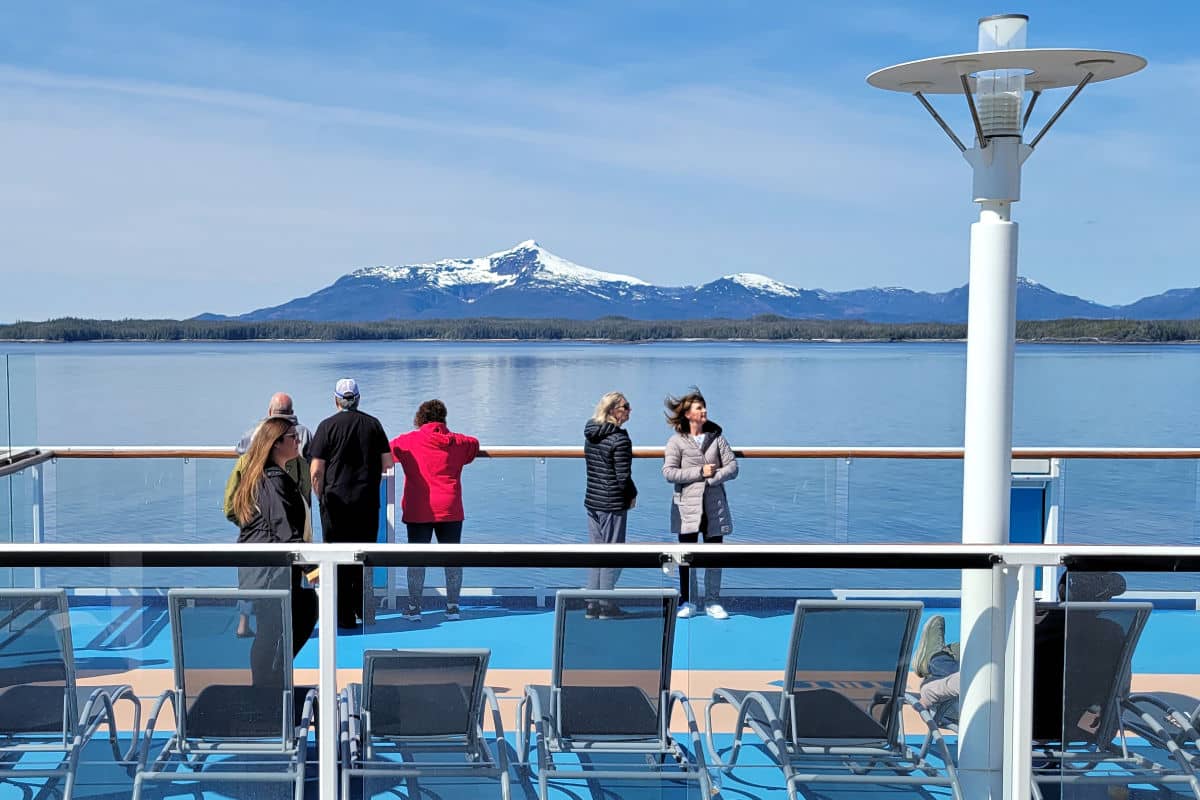
While we have viewed its tidewater glaciers with thousands of other guests, the cruise cost less than getting to Alaska’s remote parks.
Cruise lines offer itineraries from mid-April to mid-October, the optimal time for an Alaska trip. The most coveted itinerary includes a day cruising to Glacier Bay National Park.
Only two large ships can sail its pristine waters a day, and they must be accompanied by a park ranger. Holland America and Princess Cruises, which have the longest relationship with Alaska, offer the prized itineraries. We have enjoyed Alaska on both lines multiple times.
Other options include Cunard Queen Elizabeth, Viking, Norwegian, Seabourn, and American Cruise Lines. As guests, we can’t disembark in Glacier Bay. However, we enjoyed cruising through the UNESCO Heritage site for up to nine hours.
Like many Alaskan glaciers, most of the glaciers are receding. The Grand Pacific at the end of the bay recedes up to 50 feet a year and looks less attractive as rock debris covers much of the terminus.
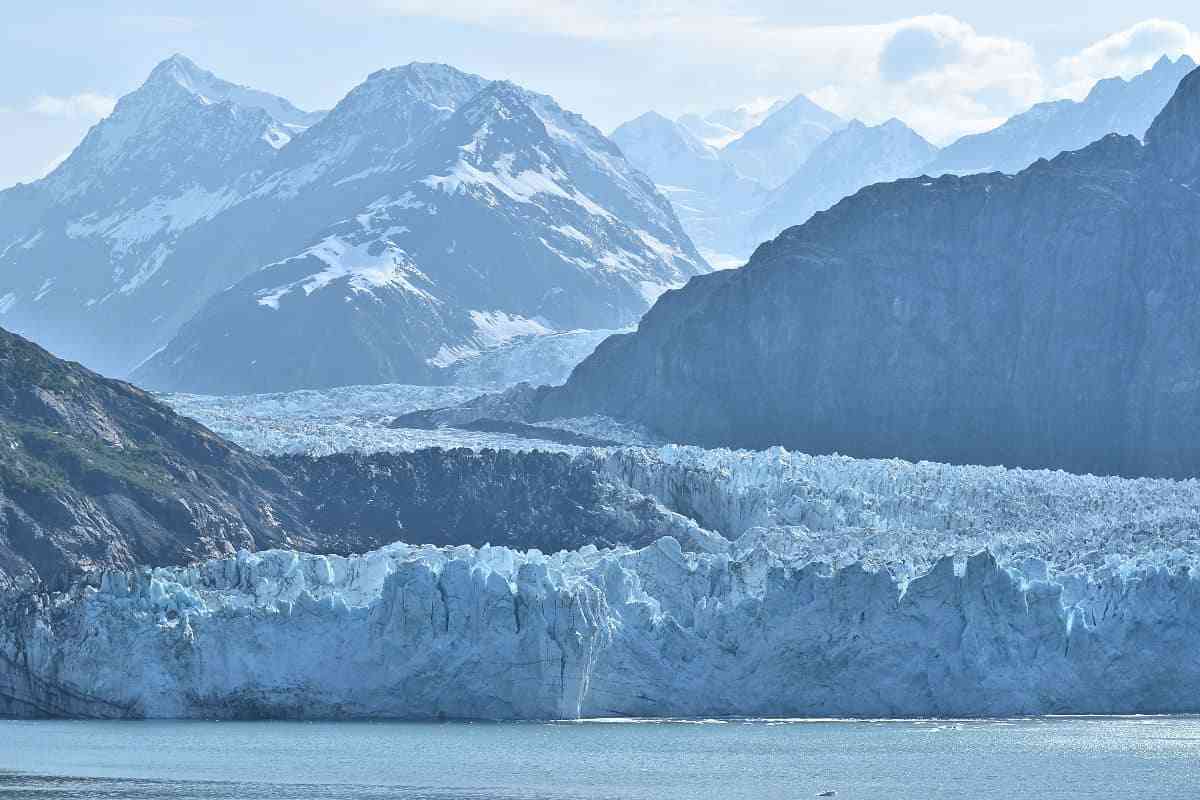
Margerie Glacier, our favorite, provides the most calving action and lies to the left of the Grand Pacific. Lamplugh Glacier, like Margerie, has beautifully aquamarine ice.
Bring a pair of binoculars to spot bears foraging for food and harbor seals at Johns Hopkins Glacier.
Kenai Fjords National Park
Gulf of Alaska cruises that start or end in Seward could include Kenai Fjords. By visiting on a cruise ship or taking a small boat tour from Seward, guests enjoy parts of the park that are inaccessible by land. Without a cruise, travelers can access Seward on a day trip from Anchorage.
Kenai Fjords features waterfalls, cliffs, and abundant wildlife. It’s one of Alaska’s top whale-watching spots. In Seward, the park’s visitor center provides updates on weather, trails, and closures. From there, boat tours reveal calving glaciers and the ice-filled past of the fjord.

Kayak tours offer a thrilling, up-close way to explore the park, though they’re not for beginners. Adventurous kayakers often camp along the way. In summer, public-use cabins in Holgate Arm or Abra Cove provide shelter.
Alternatively, hiking to Exit Glacier is a popular trek. The out-and-back trail is considered easy and takes under an hour. The Harding Icefield Trail provides closer access to the glacier. However, at 8.2 miles and a considerable elevation gain, prepare to spend a whole day doing it.
Denali National Park
North America’s tallest peak, Denali, stands at 20,310 feet (6,190 m). The mountain, once called Mount McKinley, is used by climbers to practice for Mount Everest.
Denali is part of the Alaska Range, which stretches from the Aleutian Range to the Yukon in Canada. Many of Alaska’s highest peaks surround the towering Denali.
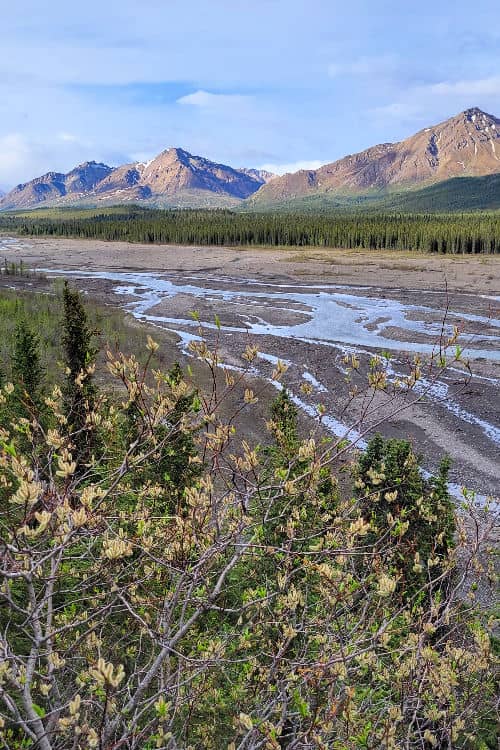
There are no accommodations inside the park. We stayed at Holland America Denali Lodge and liked it offered lots of programs and activities. To limit visitors, private vehicles can only access part of the road. Beyond that, travel is by bus or road lottery.
While Denali isn’t Alaska’s biggest national park, it may be the most well-known. Denali’s summers are short, only three months. Mid-June to mid-August provides the warmest months for visiting, with average daytime temperatures of 66F or 19C and nighttime lows of 52F or 11C.
But these are the wettest months, with up to 119 mm or 4.7 inches of monthly rainfall. During the summer solstice, Denali receives 20.5 hours of daylight. With extended daylight hours, we could pack a lot into our itinerary.
In spring (from mid-May to mid-June), the park sees fewer people and has a higher chance of spotting animals against the snowy backdrops. Its vast wilderness is home to grizzly bears, Dall sheep, caribou, moose, and Alaska gray wolves.
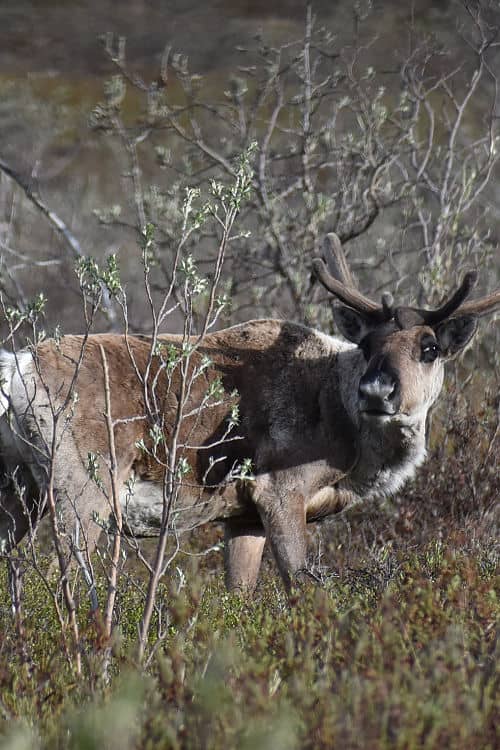
The Tundra Wilderness Bus Tour provides the best way to see these magnificent creatures. Alternatively, September brings the fall colors and a chance to see the Northern Lights.
Denali’s pristine parkland begs for exploration. While it’s a popular place to hike, its land lacks the trail system in other national parks. If hiking on a trailless route sounds scary, plan to hike with a park ranger instead.
Katmai National Park
Located on a peninsula in southern Alaska, Katmai National Park may be renowned for its bear viewing at Brooks River.
When bears emerge from hibernation, they seek out the shortest trek and locations where fish are abundant. When exploring Alaska in June, sockeye salmon swim up Brooks River, providing a good food source for bears. Here, guests can view from the north and south platforms.
It’s a 1.9 km or 1.2-mile hike from the visitors’ center to Brooks Falls. The waterfall creates a bottleneck for fish and the easiest place for bears to feast.
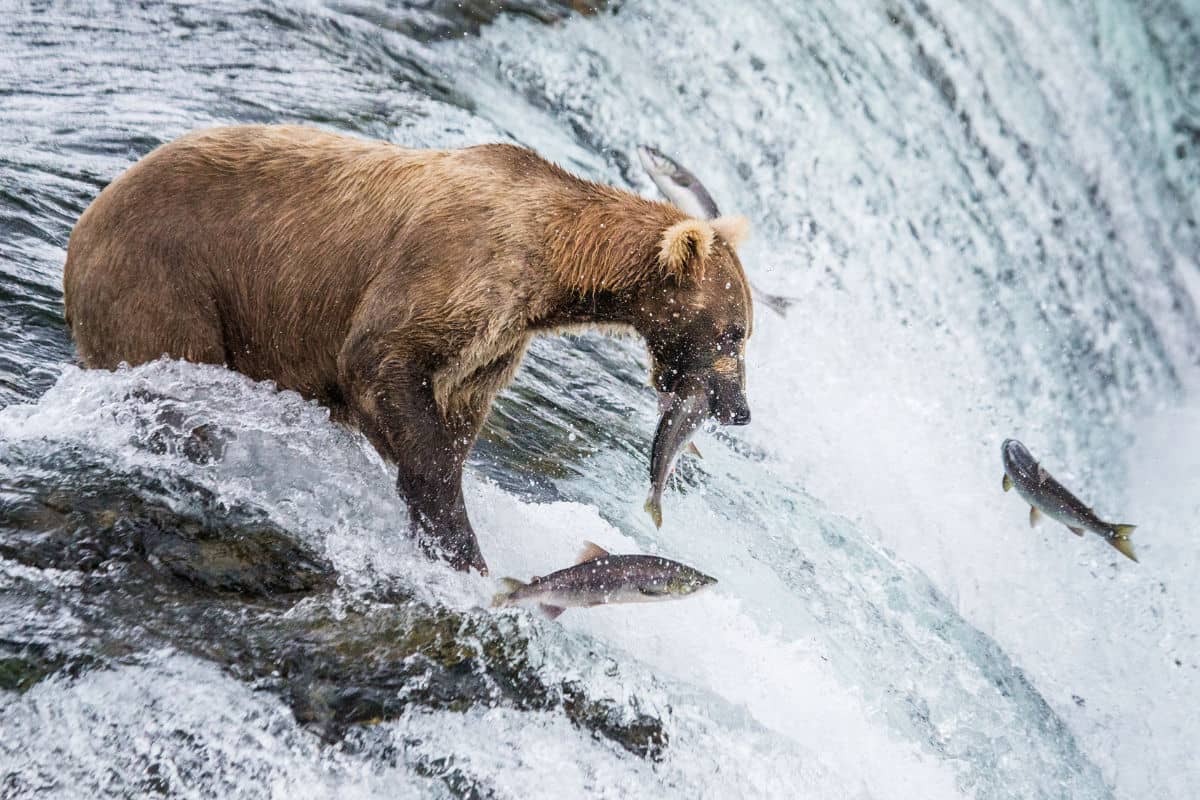
On the elevated platforms, guests watch with cameras readied to capture the huge brown bears competing for a salmon feast. The largest and most competitive bears can catch 30 fish a day.
Most who visit by float plane come for a few hours or a day. Brooks Lodge provides accommodation near the river; the bears are only a paw print away.
Katmai National Park sits on the northern boundary of the Pacific Ring of Fire. The park has multiple active volcanoes, with the last eruption at Fourpeaked Volcano in 2006.
Katmai offers backcountry camping and hiking for the fierce. Strong winds can blow hikers away when backpacking in the Valley of Ten Thousand Smokes.
Here, hikers need eye protection to prevent irritation from volcanic ash and a satellite phone in case of emergencies.
Wrangell-St. Elias National Park
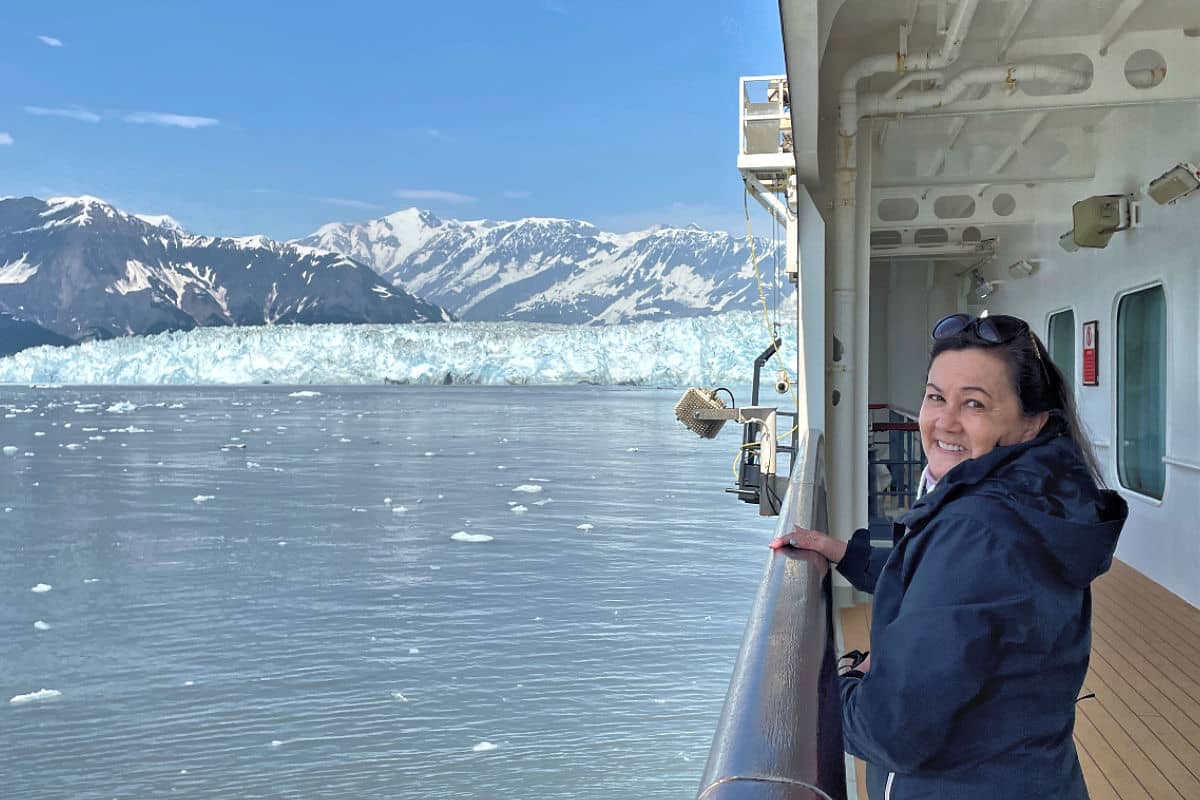
Wrangell-St. Elias National Park has over 13 million acres of wilderness mountains and is six times the size of Yellowstone. Everything in the park is bigger; its mountains, icefields, and tidewater glaciers.
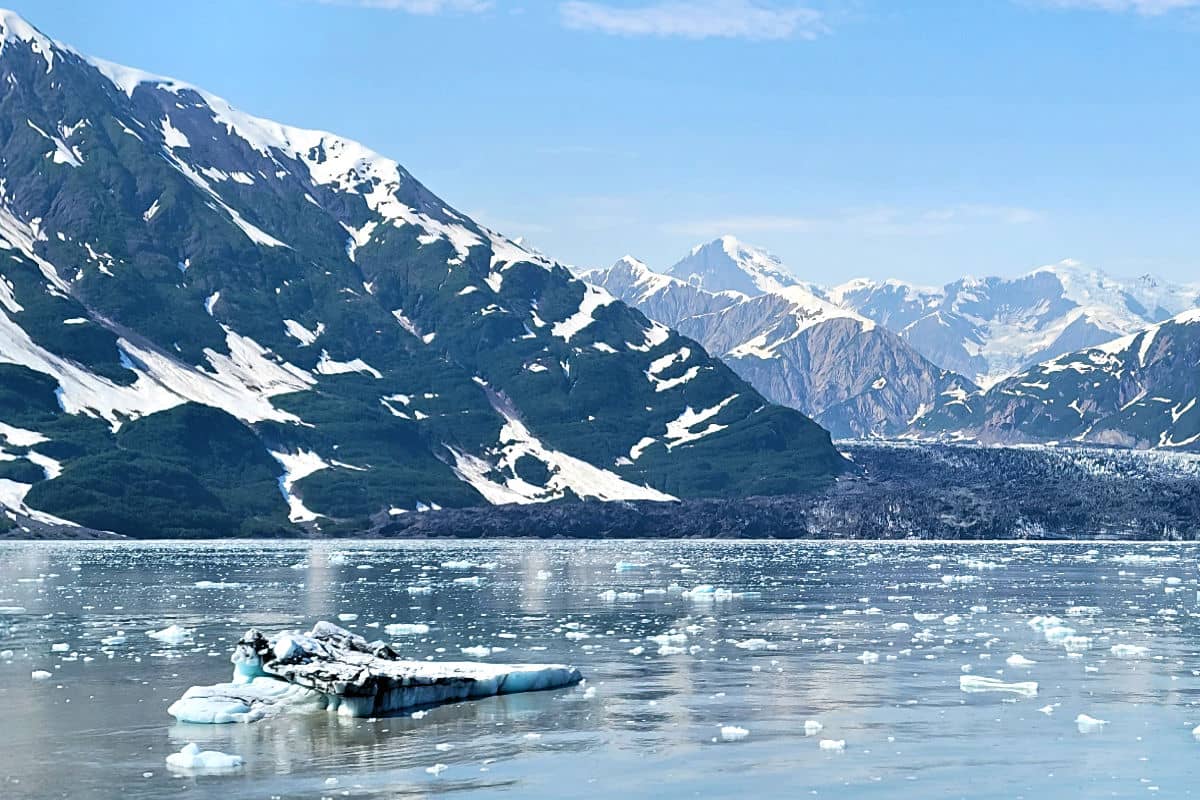
The park contains some of the United States’ highest peaks. On a cruise to Hubbard Glacier on a clear day in May, we caught a glimpse of Mt. St. Elias and Mt. Wrangell.
Hubbard Glacier, which lies in the park, is colossal, 7 miles wide and 76 miles long. With 350 feet of its terminus above the water line, we’ve watched it calve house-sized icebergs into the water.
Hubbard is one of Alaska’s most active glaciers; unlike its neighbors, it’s advancing. The frequent calving provides beautiful aquamarine hues of ice.
But cruising isn’t the only way to enjoy the park. The state of Alaska maintains two dirt roads through Wrangell-St. Elias National Park.

While roads are open year-round, the optimal time to visit is May through September.
Ideally, an SUV is best for driving the 60 miles of McCarthy Road, which is unpaved and has numerous potholes.
No services are available on the route, so ensuring the gas tank is full beforehand is vital. Plan for a two-hour journey one way.
The 42-mile Nabesna Road provides more rocky terrain. Since crossing rivers is necessary, an SUV with high clearance is recommended. This unpaved route suits those who prefer less traveled paths.
The abandoned Kennecott Mines, once used to mine copper, lie within the park. The town’s jewel is the 14-story Kennecott Concentration Mill. While Kennecott is no longer inhabited, visitors can enjoy a self-guided walking tour.

Lake Clark National Park
Lake Clark became a national monument in 1978 and was proclaimed a national park and preserve two years later. Located 100 miles southwest of Anchorage, the park isn’t accessible by roads.
Air taxis (floatplanes) and small boats provide access, popular for camping, hiking, bird watching, and kayaking. Due to its ruggedness, it sees fewer than 20,000 visitors a year.
There are a few small villages within the park, with Port Alsworth being their largest. Port Alsworth offers lodging, dining, and tours for those planning to stay more than a day.
Alternatively, Redoubt Mountain Lodge offers rustic cabins in an idyllic setting with frequent brown bear sightings.
Much of the park contains pristine wilderness and is home to many wildlife species. Dall sheep, caribou, moose, timber wolf, Canadian Lynx, and black and brown bears frequent the national park.
Marine life is plentiful on the water, too, with a chance to see harbor seals, beluga whales, sea lions, and river otters.

Like the Kenai Fjords, visitors can travel to Lake Clark to view bears. Floatplane tours are available from Homer, Anchorage, and Kenai, but expect to pay top dollar for this bucket list adventure.
To the east, the park has two volcanoes, Mount Iliamna and Mount Redoubt, the latter of which is still active.
Kobuk Valley National Park
Kobuk Valley National Park, deep in northwest Alaska, is only accessible by small plane or boat. Inside the Arctic Circle, it has short summers and harsh winters, requiring serious survival skills.
Its remote setting sees fewer visitors, but those who come seek true wilderness. In summer (June–August), adventurers enjoy fishing, boating, and hiking, with endless photo opportunities. Anglers can catch pike and grayling year-round, with sheefish and salmon in the fall.
The park’s highlight is the Great Kobuk Sand Dunes, covering 30+ square miles. Summer temps can soar here, and with luck, visitors may witness the caribou migration.
With no roads or trails, Kobuk offers a true backcountry experience. Come prepared for tough conditions.
Gates Of The Arctic National Park

As the name suggests, this park is located inside the Arctic Circle and is the United States’ most northern national park. Unlike the previous park, it doesn’t offer roads or trails.
The park is 250 miles northwest of Fairbanks, Alaska, and has no facilities, visitor centers, or campgrounds. Access to the park is by air taxi or by hiking. The Dalton Highway comes within five miles of the park’s border, so some hike into the park from there.
The national park has one small village called Anaktuvuk Pass, with fewer than 500 residents. Caribou are abundant in these lands and provide an important food source for the villagers.
Expect a subarctic climate with average July temperatures of 50F or 10C during the day and lows of 40F or 4C.
Anaktuvuk Pass provides a gateway to exploring the backcountry or boating on the John River. If you prefer not to be in the remote wilderness, plan a day trip from Fairbanks to visit the small village.
While the flights aren’t cheap, you’ll at least have the bragging right of visiting the Arctic Circle.
Klondike Gold Rush National Historical Park
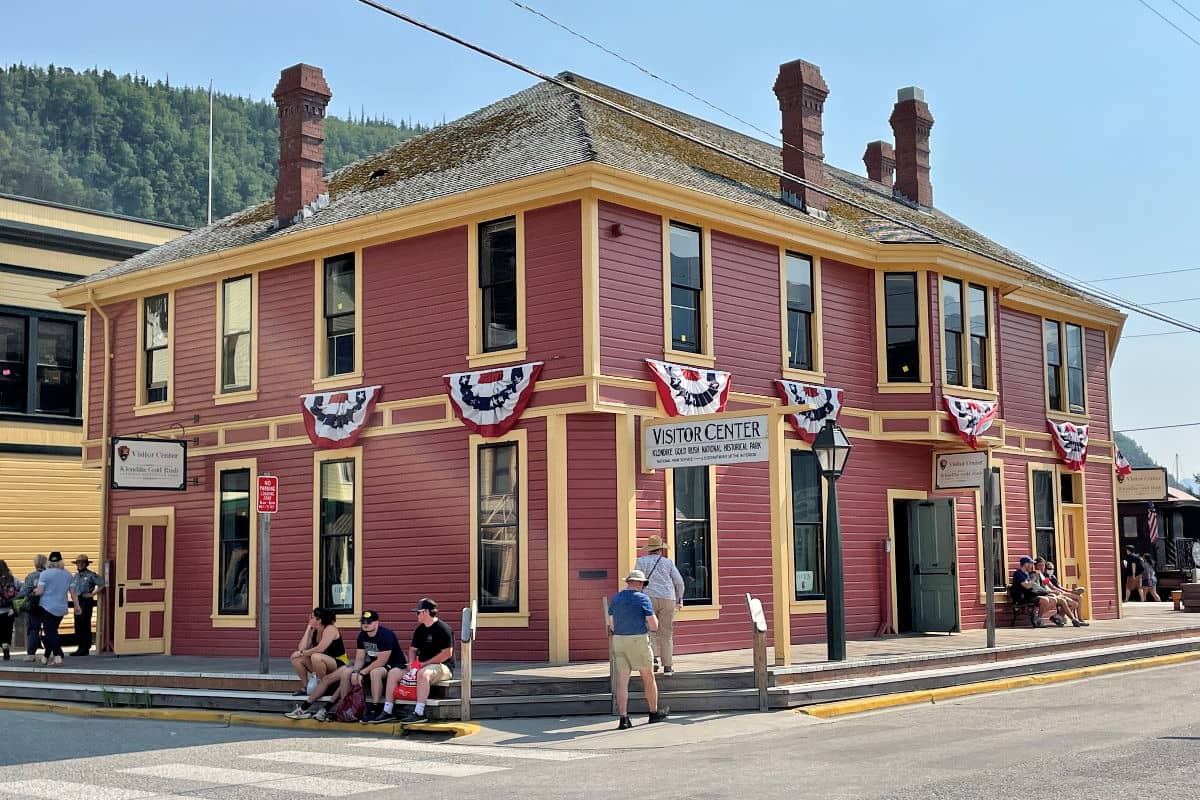
The Klondike Gold Rush National Historical Park is located in Skagway. It’s the second arm of the Gold Rush historical park, with the other part in Seattle, Washington.
While it doesn’t encompass thousands of acres of untouched land, it memorializes an essential history of the area.
In 1896, a prospector struck gold in the Canadian Yukon, igniting the thrilling start of the Gold Rush. Both arms of the parks in Skagway and Seattle document the events that led to the Gold Rush. From Pioneer Square in Seattle, prospectors sailed to Alaska, hoping to get rich.
At the visitor center, park rangers give presentations, and visitors can learn about the White Pass and Yukon Route Railway, which was constructed to take the prospectors and equipment to the Yukon.
The Skagway train journey into the Yukon offers a spectacular railway trip across wooden trestles and through tunnels. The three-hour train ride provides stunning views of rugged mountains and cascading waterfalls.
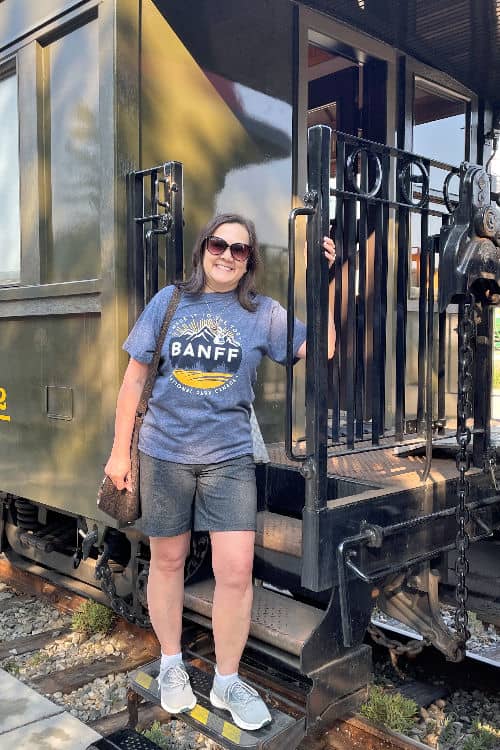
We enjoyed the journey in vintage rail cars, and the outer deck allowed us to stand outside to watch the train curve on the track.
Alternatively, walk in the same footsteps as the prospectors by hiking a section of the Chilkoot Trail. By hiking, I appreciated those who did it in extreme winters with heavy gear.
The Klondike Gold Rush National Historical Park has restored many historic buildings from the Gold Rush era. Some are used as museums, while others have been rented out to businesses.
A short walk from town, the Gold Rush Cemetery extends the history lesson. Here, we saw the tombstones of famous prospectors such as Soapy Smith and Frank Reid.
Sitka National Historical Park

Like the Klondike Gold Rush park, Sitka National Historical Park preserves a different kind of history. Sitka was Alaska’s capital until Juneau took over in 1906. This city oozes with history from the Russian fur traders and their clash with the Tlingit clan which resulted in the Battle of Sitka.
When the National Park Service was created in 1916, it took over Sitka’s park, where some weathered totem poles were preserved or reproduced. A visitor center was added, featuring Tlingit artifacts like silver jewelry, drums, baskets, and paddles.
Trails in the park showcase more carved poles. While originals have weathered, replicas still tell the land’s story. We enjoyed the walk, admired the poles and even spotted bald eagles along the way.
Other Sitka highlights include North America’s first Orthodox Catholic church, St. Michael’s Cathedral, the Russian Bishop’s House, and Castle Hill, where we learned about the sale of Alaska.