
Columbia Glacier Cruise: An Epic Journey From Valdez, Alaska
The Columbia Glacier Cruise offers an incredible 6-hour journey through the pristine waters of Prince William Sound, Alaska. While we had done the similar 26 Glacier Cruise out of Whittier, we couldn’t wait to try this and see how it compared.
Departing from Valdez, this adventure travels to one of North America’s most magnificent tidewater glaciers alongside abundant wildlife viewing opportunities.
While tour operators generally offer this Valdez activity from late May through September, we were able to enjoy it through Holland America earlier in the month. So, if you’re seeking an activity in Valdez, we’re sharing our experience of taking the Columbia Glacier Cruise.
Overview of Columbia Glacier Cruise
The Columbia Glacier Cruise from Valdez travels over 125 miles through the pristine waters of Prince William Sound. It’s part scenic viewing and part wildlife spotting.
The highlight is seeing Columbia Glacier, but the amount of ice will determine how close vessels can get.
Vessel And Amenities
We took our cruise through Stan Stephens, started by Stan & Mary Stephens. They operate two double-deck catamarans, Glacier Spirit and Valdez Spirit.
The vessels are designed to navigate Prince William Sound’s waters safely while providing optimal viewing opportunities.
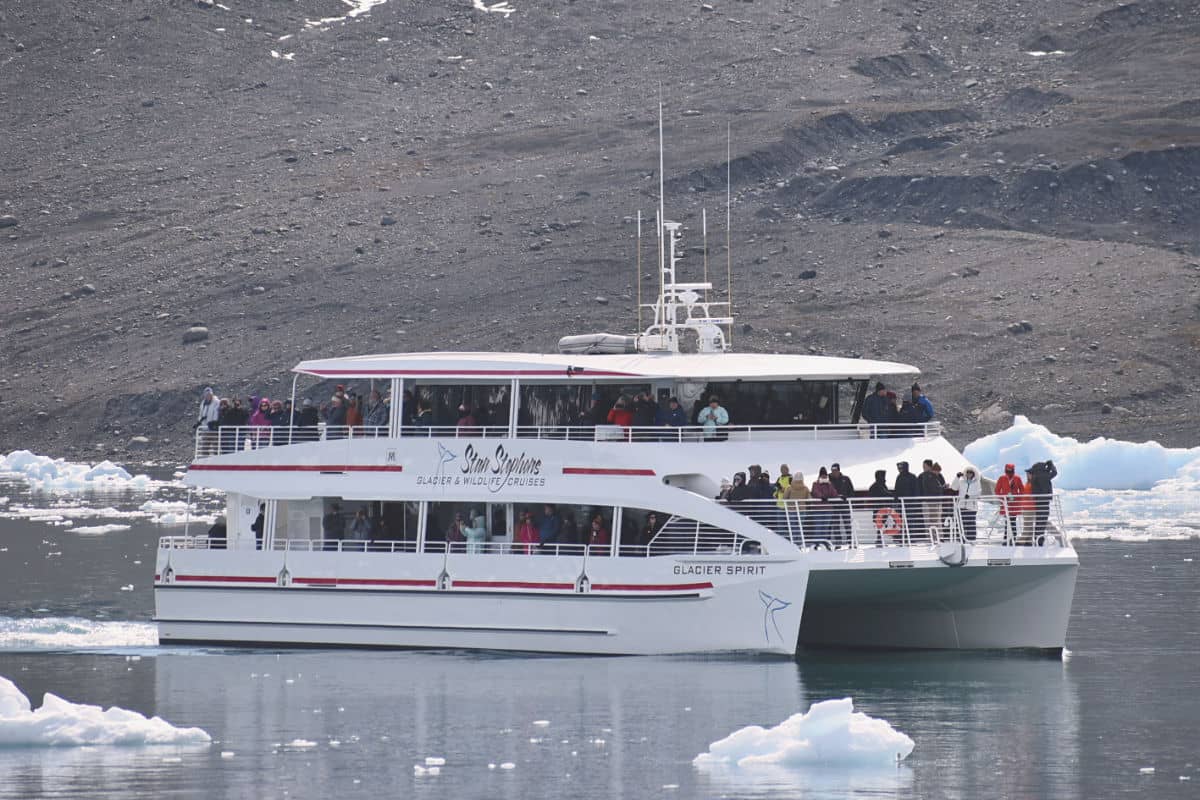
Seats were not assigned, and the indoor heated top deck filled up quickly. We sat downstairs, but there were no bad seating options. All guests had access to multiple outside decks and viewing areas.
The vessels have four washrooms at the aft, a small gift shop, and a kitchen that provides a hot meal to its guests. Our ship, the Valdez Spirit, looked new and was in immaculate condition. We were surprised to learn she was 20 years old.
On embarkation, one thing we noticed right away was the clean windows. It meant guests didn’t need to go outside for good photos. Binocular rentals were available for wildlife spotting, costing just USD 5.
What’s Included
A light meal was provided since the Columbia Glacier cruise lasted six hours. Since I’m lactose-intolerant, I was worried I couldn’t eat the food. However, there were two options, a chowder and a vegetarian chili.

The chili and chowder came with a bagel, cream cheese spread, and a four-pack of Oreo cookies. Tea, coffee, and lemonade were complimentary throughout the cruise. I had the chili and my husband, Brian had the chowder. Both were good and welcoming on a cold May day.
Items for purchase were hot cocoa for USD 1, Coke products (Coke, Ginger Ale, Sprite, Dr. Pepper, Root Beer) for USD 3, Chicken Ramen for USD 1, and chips and candy bars for USD 2 each.
Planning Your Columbia Glacier Cruise
Stan Stephens operates Columbia Glacier cruises from late May to late September when weather conditions are favorable.
Best Time To Visit
July and August offer the warmest temperatures, typically ranging from 55-65°F, and longer daylight hours for enhanced viewing opportunities.
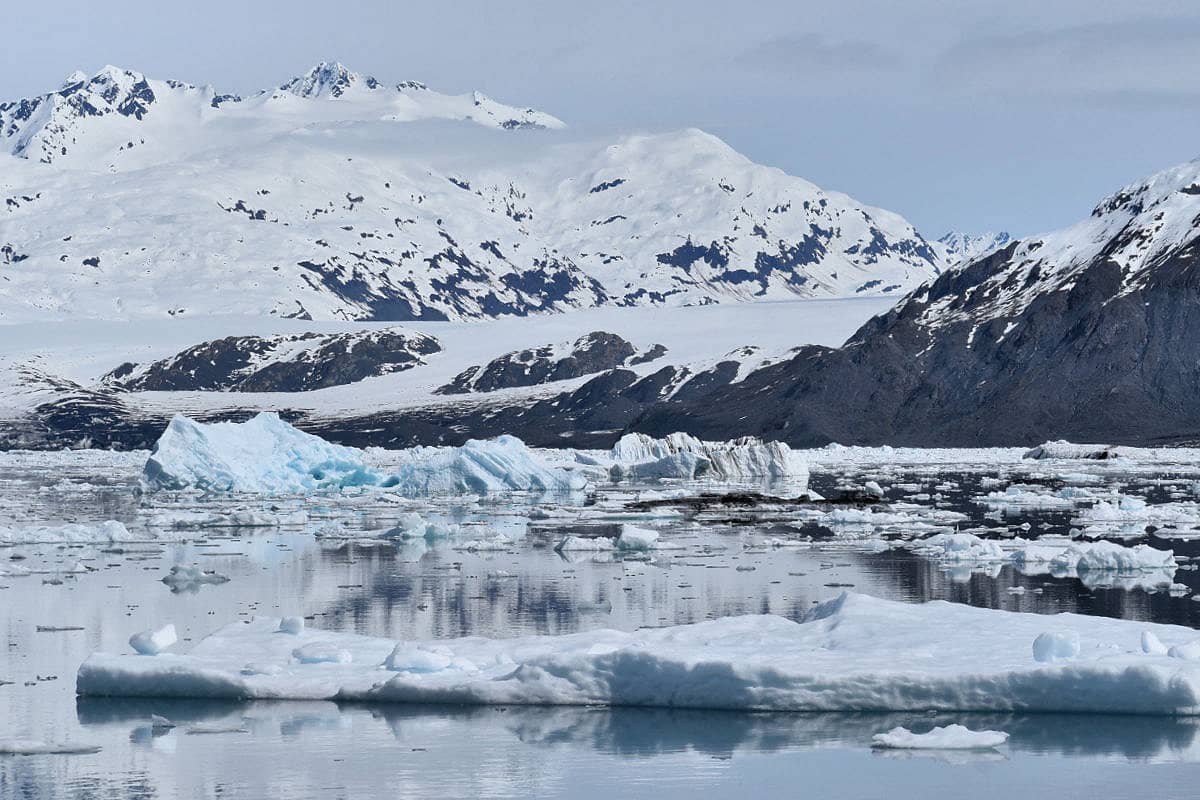
Early summer (May-June) often provides calmer waters and fewer crowds, though temperatures may be slightly cooler. With rising temperatures, there was much more ice in Columbia Bay approaching the glacier.
Wildlife activity also tends to peak during these months, increasing your chances of spotting sea otters, sea lions, and various seabirds.
The ideal time to get close to the glacier is September. As glacial calving slows, fewer ice floes allow boats to close in on the glacier’s terminus.
What To Bring And Wear
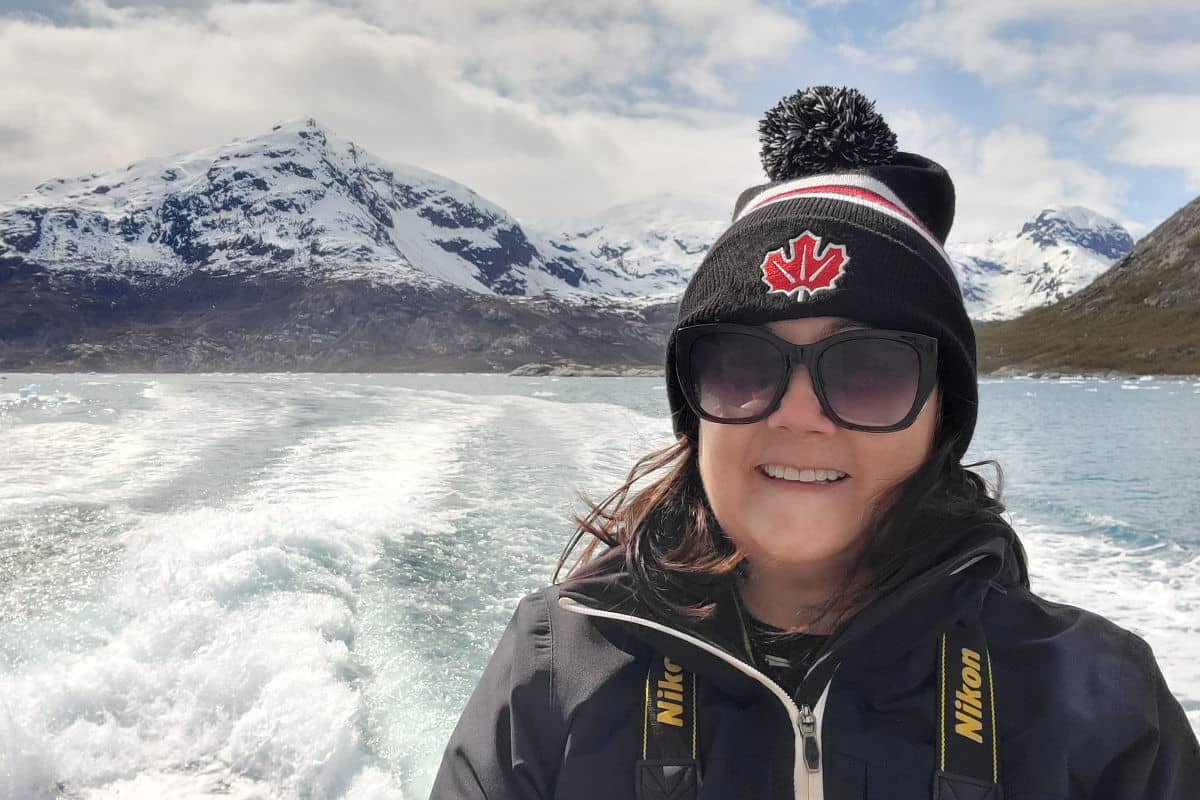
Dressing in layers is crucial for Alaska’s variable conditions. Even if it’s warm in Valdez, it can feel much colder on the water or near the glacier. Sturdy footwear, a waterproof jacket, and a hat and gloves are recommended.
Essential items include:
- Binoculars for wildlife viewing, although you can rent them onboard for USD 5.
- Camera with a zoom for wildlife shots.
- Sunglasses, not only for the sun but to help eliminate watery eyes from the wind.
- Motion sickness medication if you’re prone to seasickness.
We took a backpack with protein bars and extra camera batteries. While we wore three layers (a sweatshirt and both layers of our jackets), we removed them as the day got warmer. By the end of the cruise, we were down to just a sweatshirt (in early May).
Cruise Itinerary
The Columbia Glacier cruise departs from Port Valdez, traveling through the Valdez Arm before entering Columbia Bay. While it takes a few hours to reach Columbia Glacier, scenery and wildlife viewing are plentiful.
Exxon Valdez Oil Spill
Leaving the port, it’s hard not to notice the huge round oil tanks on the hill on the left side. The oil here travels 800 miles through the Alyeska pipeline from Prudhoe Bay.
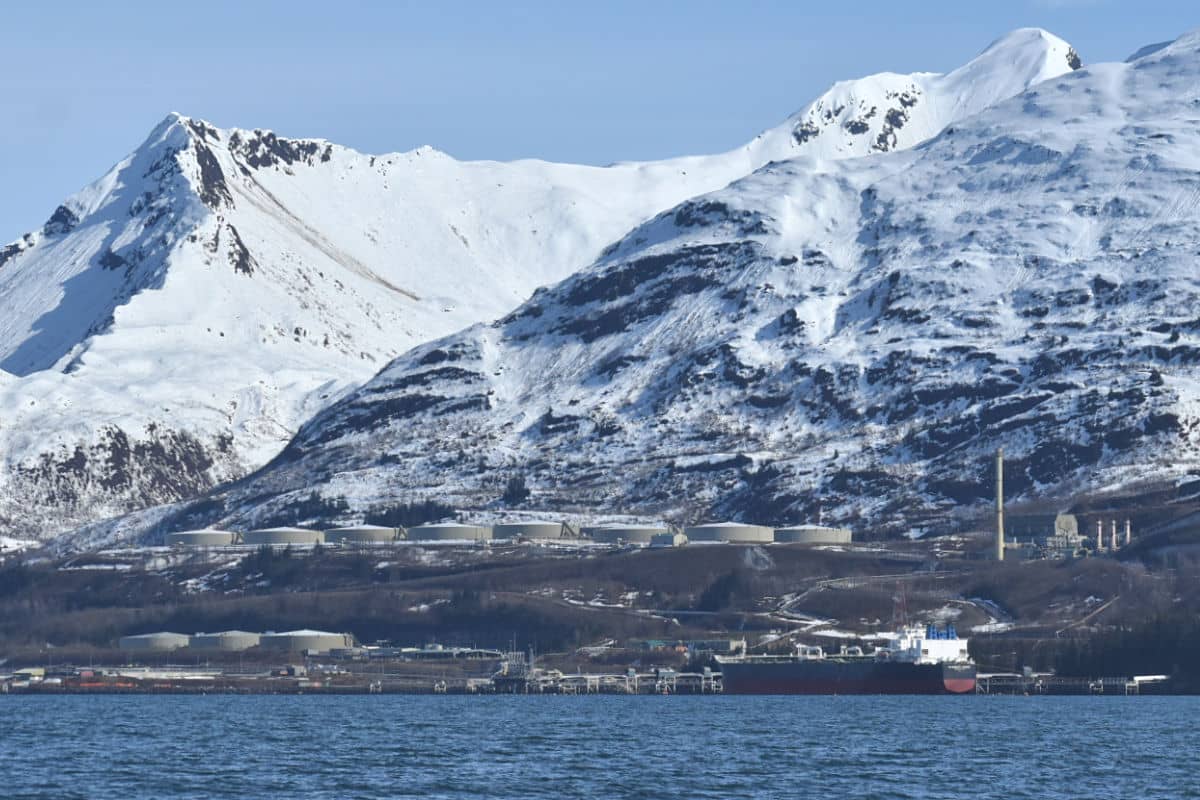
Valdez is known for the 1989 oil spill, which devastated the area. Known as one of the most devastating environmental disasters in maritime history, it took extensive efforts to clean up the area and save some wildlife.
Although the oil spill isn’t noticeable today, subsurface oil still exists in areas of Valdez. These areas weren’t part of the cleanup and continue to recover through natural processes.
Prince William Sound
One of the things we loved about this tour was our captain had an open bridge policy. We could join him and ask questions about glaciers, wildlife, and seasonal changes.
Not only did he operate the vessel, but he gave commentary about the flora and fauna in the area. His extensive knowledge of wildlife was incredible. As we cruised through the calm waters near Valdez, it wasn’t long before he spotted the first whale, a Minke.
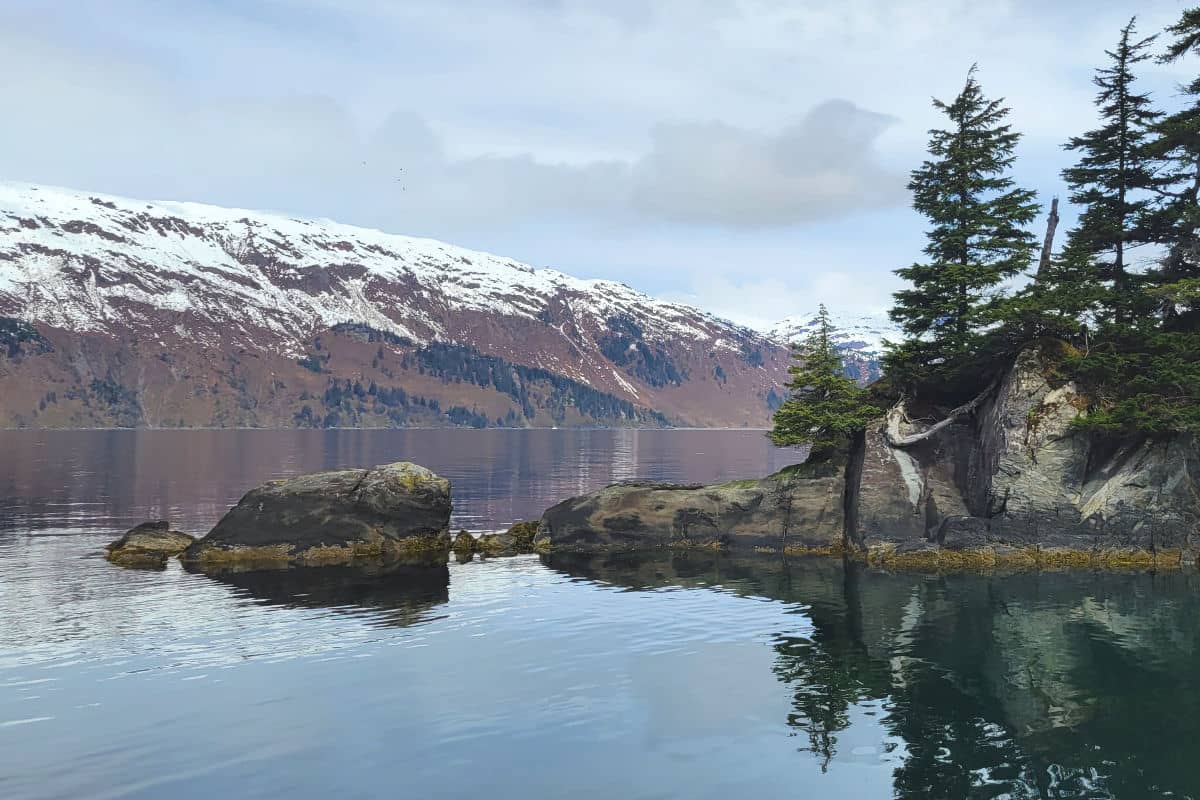
He explained the difference between Minkes and other whale species and noted they are solitary creatures. We watched the Minke from a safe distance and saw it surface a few times before continuing to Columbia Bay.
Along the way, we saw:
- Lots of sea otters.
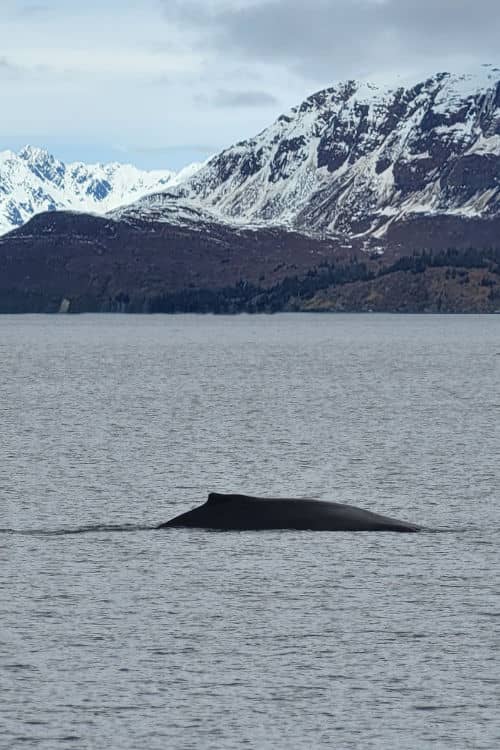
- Humpback whales.
- Dall’s porpoises.
- Bald eagles, Black-legged kittiwakes, and Artic terns.
Wildlife Spotting
During the cruise, the staff actively looked for wildlife using binoculars. Prince William Sound has thousands of nesting birds, so it’s an excellent place for avid bird watchers. Sightings can include loons, puffins, cormorants, oystercatchers, jaegers, and common murres.
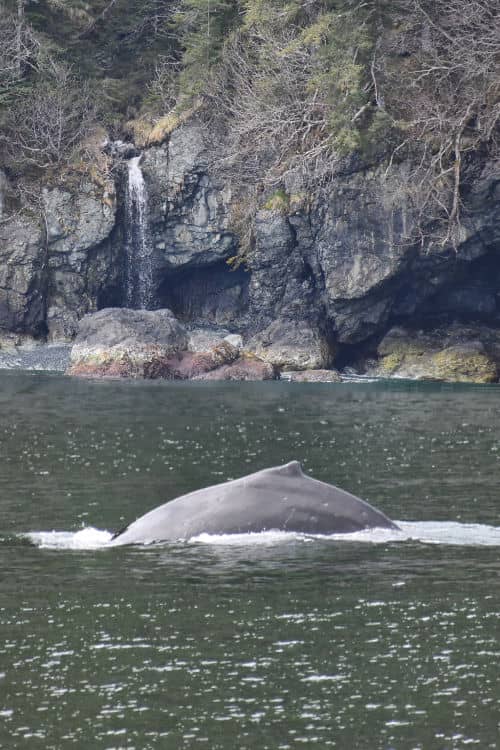
This area’s waters are rich, and the Sound is home to many species. Orcas, sea otters, porpoises, humpback whales, and harbor seals are commonly spotted.
But the marine waters aren’t the only place to see wildlife; look to the land, too. Black bears often roam the coastlines, mountain goats grace the cliffs, and Steller sea lions bark loudly on rocky crags.
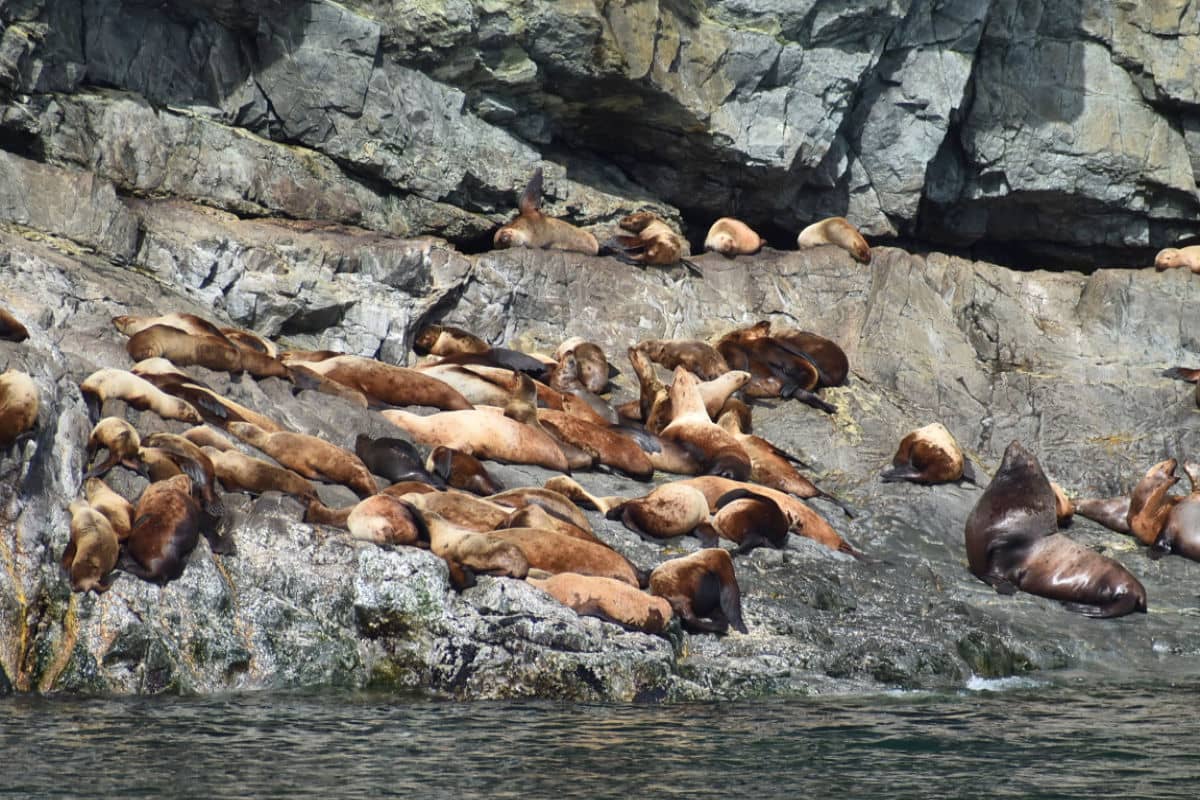
On our return run, our captain took us to a rocky outcrop filled with Steller sea lions. Their boisterous barks could be heard from a distance. We learned the difference between a sea lion and a Steller sea lion.
Our vessel stayed in this area for a while, and the captain spun the ship so guests had equal viewing opportunities. We watched the sea lions enter and exit the ocean and were amazed by the size of the colossal males. Males average 2500 pounds, and females are much smaller, at 800 pounds.
As we ventured deeper into Prince William Sound, we soaked in stunning panoramic views of the Chugach Mountains rising sharply from the sea. This protected waterway stays relatively calm, which makes it perfect for spotting wildlife.
Columbia Glacier
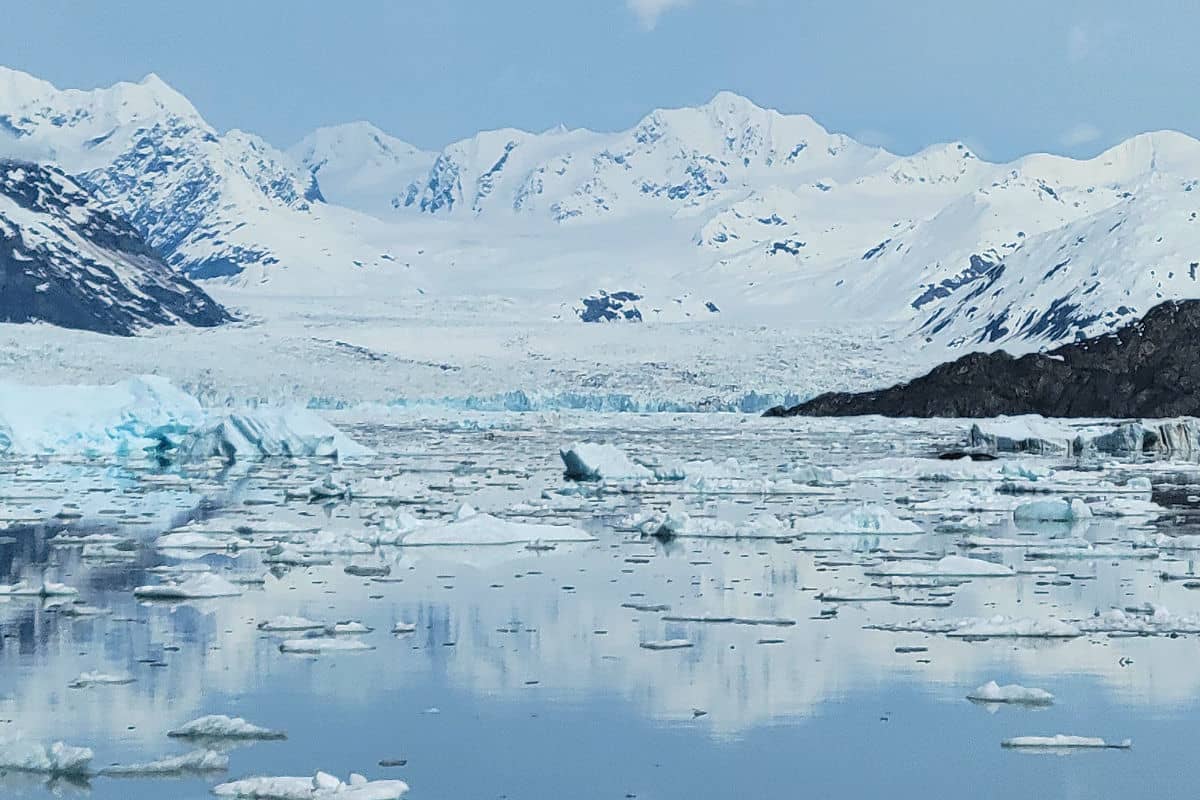
The highlight of our cruise was the approach to Columbia Glacier. We spotted the first cluster of icebergs in the distance as we finished lunch. The closer we got, the larger they became, and the number of icebergs increased.
As Columbia Glacier came into view, we spotted a smaller glacier off to the left. The water in this area was a sea of ice, and it was evident we were not going to get that close to the glacier itself. Were we disappointed? Absolutely not! The scenery was beyond spectacular.
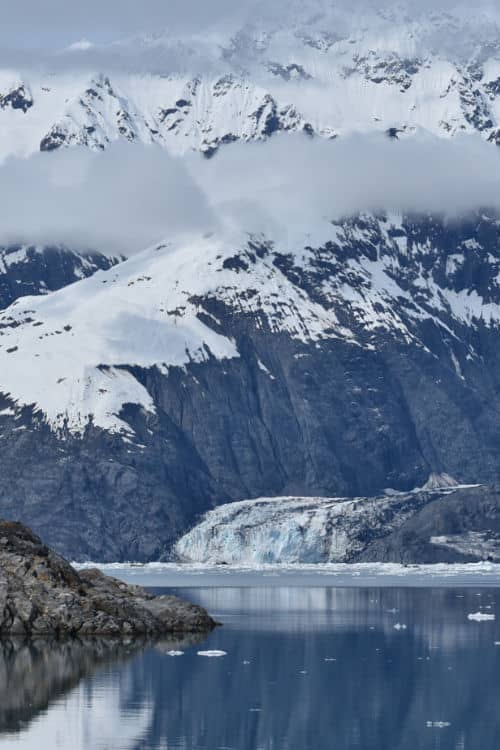
Columbia Glacier is one of North America’s most spectacular tidewater glaciers and one of Alaska’s last to start retreating. The glacier spans approximately 400 square miles and descends from the Chugach Mountains to Columbia Bay.
Since the 1980s, it has been in a state of rapid retreat, making each visit a unique experience as the landscape continues to change. With retreat comes lots of calving, although we couldn’t witness it from a distance.
Columbia Glacier Highlights
Visiting Columbia Glacier isn’t just about the destination but enjoying the journey. In early May, the surrounding mountains were heavy with snow, adding a wow factor to scenery gazing.
Glacial Ice
While we didn’t see calving events, witnessing the massive ice formations in the water was breathtaking. Their colors varied from shades of blue and aqua to dirty bergs that resembled rocks or mounds of dirt. We could hear the ice popping as trapped air was released.
Since only 10% of ice is visible above the waterline, boats must stay clear of larger formations. At any moment, those ice masses can turn, causing the 90% below the surface to turn 180 degrees. These icebergs range from car-sized chunks to massive pieces larger than buildings.
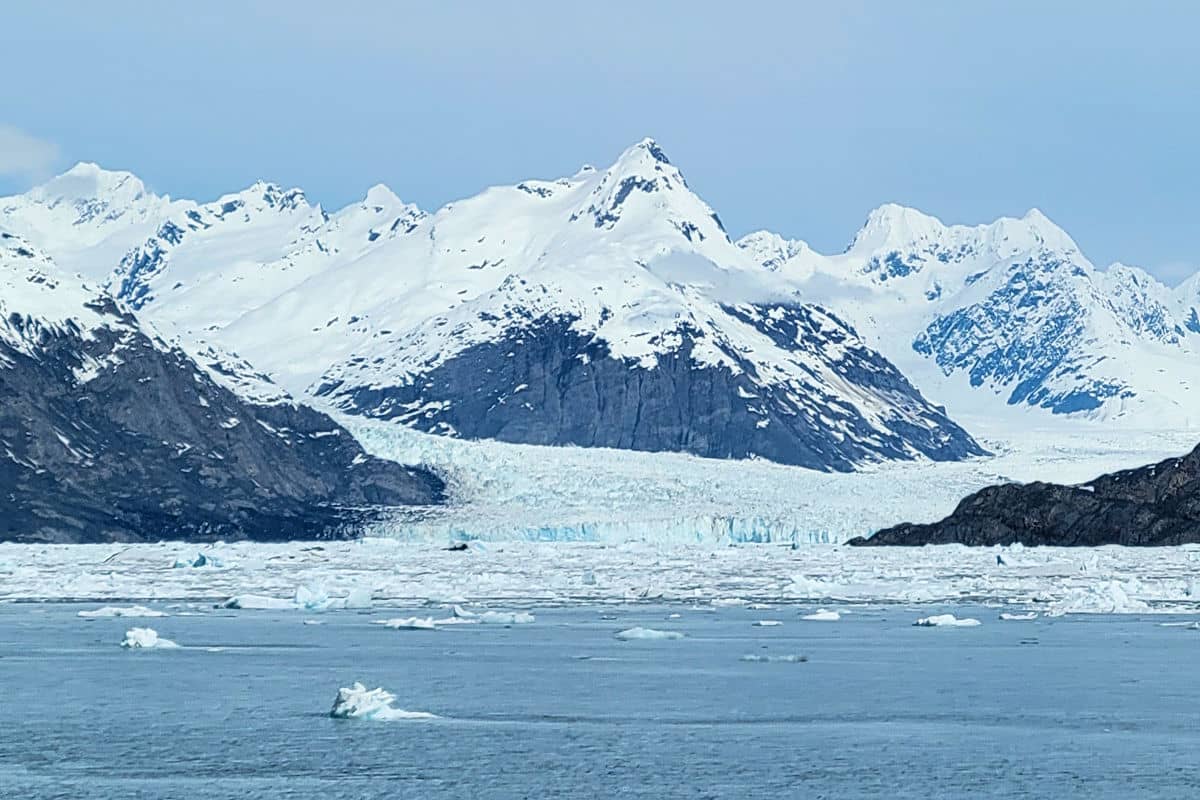
The glacier’s retreat has accelerated in recent years, producing vibrant blue ice.
Scenic Views And Photo Opportunities
The approach to Columbia Glacier provides breathtaking panoramic vistas of Prince William Sound and the nearby Chugach Mountains. It’s an area where we couldn’t take a bad picture even if we tried.
Most travelers use a cellphone for photos, but a camera with zoom is preferred. With a 300m zoom, I could get close-ups of marine wildlife, Columbia Glacier’s face, and ice formations.
Weather conditions on the day you cruise, and the time of year will impact what you see. The amount of ice will determine how far your boat cruises.
Wildlife Viewing
Columbia Glacier cruises are part wildlife voyages. Lucky visitors might spot humpback whales, orcas, or porpoises during their cruise, particularly during summer feeding seasons.
We didn’t see any harbor seals on our trip. Our captain explained they bask on thicker ice near the face of the glacier, an area we could not reach. They also prefer more stable tidewater glaciers with fewer calving events.
Columbia Glacier Cruise Vs. 26 Glacier Cruise
Having taken two cruises through Prince William Sound, we found similarities. Both lasted 6 hours, included a hot lunch, and visited tidewater glaciers, although the one out of Whittier included 26 (some tidewater, some valley glaciers).
On my 26 Glacier Cruise, we saw more marine wildlife, including lots of harbor seals and sea otters. They were less skittish than wildlife near Columbia Glacier. Harvard Glacier produces less calving, which seals prefer. Less calving means boats can get closer to the glacier’s face.
Choosing between the two often depends on where you visit since they depart from different locations. The Stan Stephens Glacier & Wildlife Cruise costs significantly less than the 26 Glacier Cruises operated by Phillips Cruises.
Both cruises are popular and fill up fast. Phillips Cruises has larger vessels, so they can accommodate more passengers. We were on the Columbia Glacier cruise wait list for months, and two weeks before our trip, two spots became available.
While they filled two boats from our cruise ship, they may not fill up when cruise ships aren’t in port.
We suggest reserving your tour well in advance for those on an Alaska cruise, especially if visiting during peak summer months (June-August).
After taking the Prince William Sound cruise from Whittier, we had high expectations for the Columbia Glacier cruise. We’re happy to say it was everything we expected, breathtaking and memorable, and a tour we wouldn’t hesitate to do again.
