
Exploring Kodiak Island Alaska: Wildlife, Culture And Adventure
In the Gulf of Alaska, Kodiak Island is renowned for its world-class bears. The island is home to approximately 3,500 Kodiak bears, which are often spotted in their natural habitat, particularly in areas like the Kodiak National Wildlife Refuge.
Beyond the bears, visitors can enjoy a unique blend of natural and rugged beauty, as well as cultural experiences. We visited Kodiak Island as one of our ports on a Holland America Nieuw Amsterdam cruise.
We chose this cruise for its stops in Wrangell, Valdez, and Kodiak. This unique itinerary is offered only twice a year, in May and September.

Is Kodiak Island Worth Visiting?
Absolutely—Kodiak is one of Alaska’s smaller towns, and a must-visit for travelers seeking a true wilderness adventure. It combines rugged landscapes, abundant wildlife, and rich history in one unique destination.
The island’s biggest draw is its wildlife, especially its iconic Kodiak brown bears. Spotting them in their natural habitat can be challenging, but guided bear-viewing tours offer safe and unforgettable encounters.
That said, bear viewing wasn’t practical during our port stop. The bears live in the southwestern part of the island, nearly 100 miles from the City of Kodiak, where cruise ships dock.
If you’re a history buff like us, you will appreciate the Russian and Alaska Native influences visible throughout the island. The Alutiiq Museum offers fascinating insights into the region’s rich cultural heritage.
Getting To Kodiak Island
Reaching Kodiak Island requires some planning, as this Alaskan gem is accessible only by air or sea. Alaska Airlines offers daily service to Kodiak from Anchorage, with flights taking 45 minutes. The Kodiak Airport (ADQ) is located about 5 miles southwest of downtown Kodiak.
Several cruise lines include Kodiak as a port of call on their Alaska itineraries between May and September. Holland America, Princess Cruises, and Norwegian Cruise Line typically dock at Pier 2 downtown. If more than one ship is scheduled, one will tender to Oscar’s Dock.
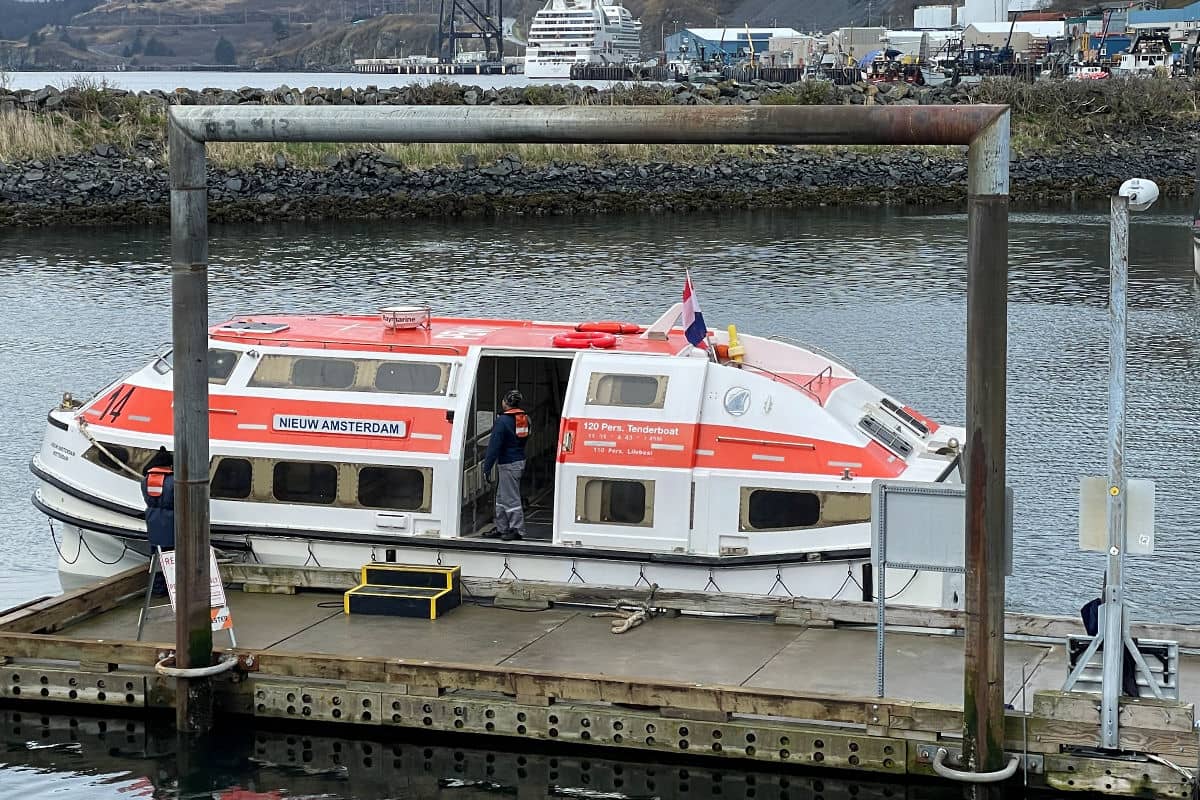
Most cruise ships stay in port for 6-10 hours, allowing cruise guests ample time to explore the town and its nearby attractions. Ship excursions often include wildlife viewing, historical tours, and fishing expeditions.
Ferry service from Homer is another option, but it is a 9.5-hour journey, plus a 4-hour drive between Anchorage and Homer.
About The City Of Kodiak
Kodiak is the island’s primary city, located in the Gulf of Alaska. With a population of 6,000 residents, this charming coastal community serves as the commercial and transportation hub for the Kodiak Archipelago.
Kodiak Island has a population of about 12,000 residents.
Car Rentals In Kodiak
Renting a car on Kodiak Island provided the freedom to explore the island at our own pace. Several local companies offer vehicle rentals, including Avis and Ace Rent a Car, which are conveniently located at the Kodiak Airport. This is convenient if you fly into Kodiak Island.
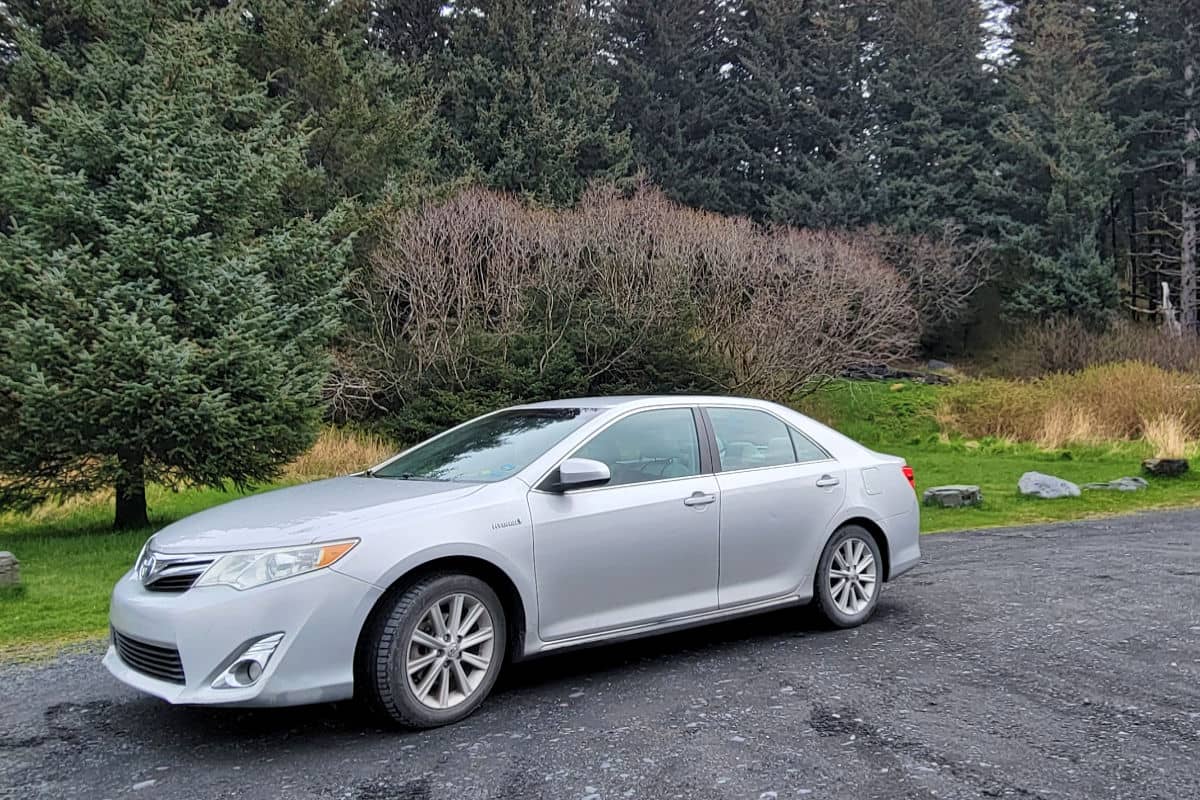
Since we arrived by cruise ship, we booked a car through Turo. Like Airbnb for vacation rentals, Turo enabled us to rent a privately-owned vehicle. We pre-arranged to pick up our rental at the tender area, making it convenient.
We used Turo during three of our Alaska cruise stops (Anchorage, Kodiak, and Sitka) and would highly recommend the service due to its low cost and excellent service.
Kodiak’s Natural Wonders
Kodiak Island offers some of the most spectacular natural landscapes in Alaska, combining dense forests, rugged mountains, and pristine coastlines.
Exploring Kodiak National Wildlife Refuge
The Kodiak National Wildlife Refuge covers nearly two-thirds of Kodiak Island, protecting 1.9 million acres of diverse habitats. This vast wilderness is home to approximately 3,500 Kodiak brown bears, one of the largest bears in the world, second only to polar bears.
Guided bear tours are available from May through October, with peak viewing in July and August when bears congregate along salmon streams. These tours are costly and typically involve floatplane transportation to remote areas like Frazer Lake or O’Malley River.
The refuge also supports over 250 bird species, including bald eagles and puffins, making it a paradise for birdwatchers.
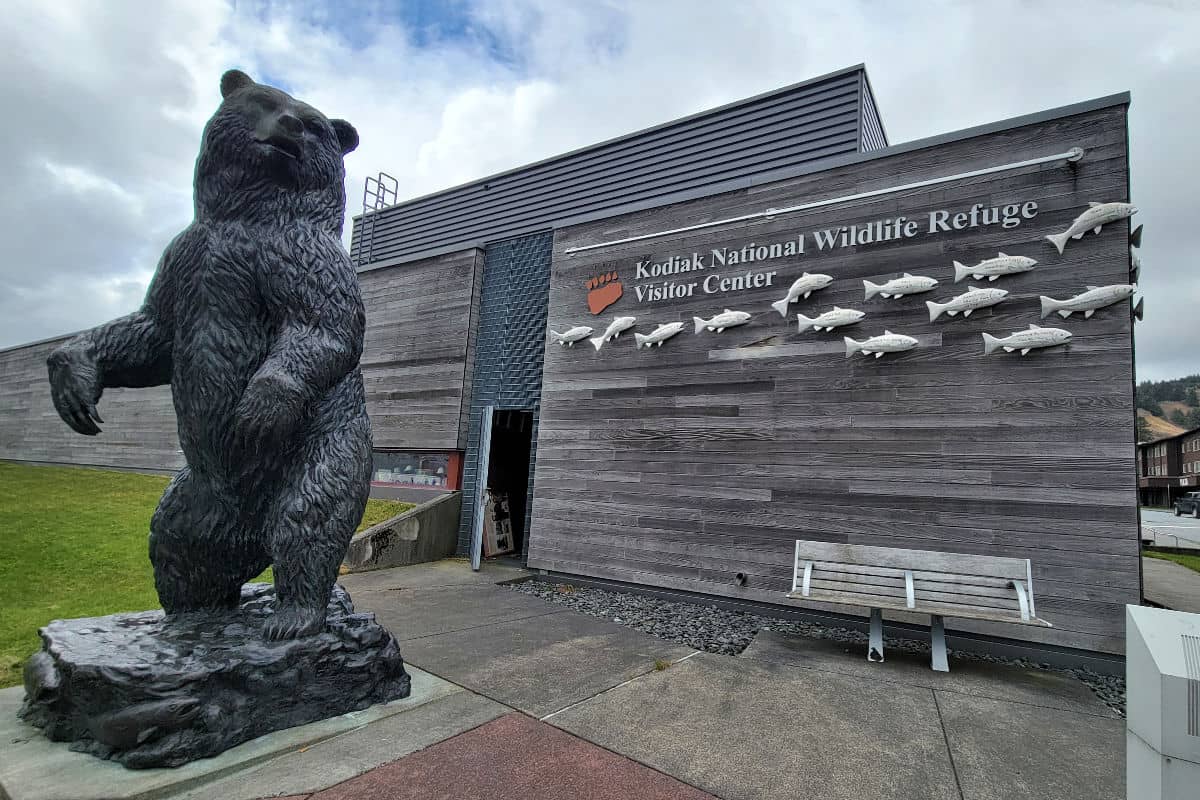
However, within the City of Kodiak, the National Wildlife Refuge Visitor Center offers an excellent opportunity to learn about wildlife in a museum-like setting.
It includes displays of local wildlife (salmon, bears, eagles, and even a life-size whale skeleton. Perfect for family fun and education.
Scenic Hiking Trails
Kodiak’s network of hiking trails offers access to stunning coastal vistas and alpine meadows. The Termination Point Trail (4.2 miles round-trip) takes hikers through spruce forests to clifftop views of Chiniak Bay and often features whale sightings.
Near town, the 1.5-mile Pillar Mountain Trail rewards climbers with panoramic views of the harbor and surrounding mountains. This moderately difficult trail is accessible year-round and particularly beautiful during summer wildflower blooms.
For a more challenging experience, the 6-mile Near Island South End Trail loops through forests and along beaches with opportunities to spot sea lions and otters. We recommend wearing sturdy hiking boots and carrying bear spray on all Kodiak trails.

The Spruce Cape Trail offers a relatively easy 2.5-mile hike through some of Kodiak’s most accessible yet pristine coastal environments. The trail begins near the Coast Guard base and winds through lush forests before opening to dramatic shoreline views.
During spring and summer, the trail showcases abundant wildflowers, including chocolate lilies and wild geraniums. Offshore waters frequently reveal sea otters, harbor seals, and occasionally humpback whales passing through the area.
Several viewpoints along the route provide perfect photography opportunities, especially during early morning hours when wildlife is most active. The trail’s moderate difficulty makes it appropriate for families, though some sections can be muddy after rainfall.
Fort Abercrombie State Historical Park
Fort Abercrombie combines natural beauty with historical significance across its 182 acres. The park features dramatic cliffs overlooking the North Pacific, dense Sitka spruce forests, and secluded beaches ideal for tide pooling.
The Miller Point Loop (1.3 miles) offers spectacular ocean views and access to WWII-era bunkers and gun installations. During summer months, wildflowers carpet the coastal meadows while offshore rocks serve as haul-out sites for sea lions.
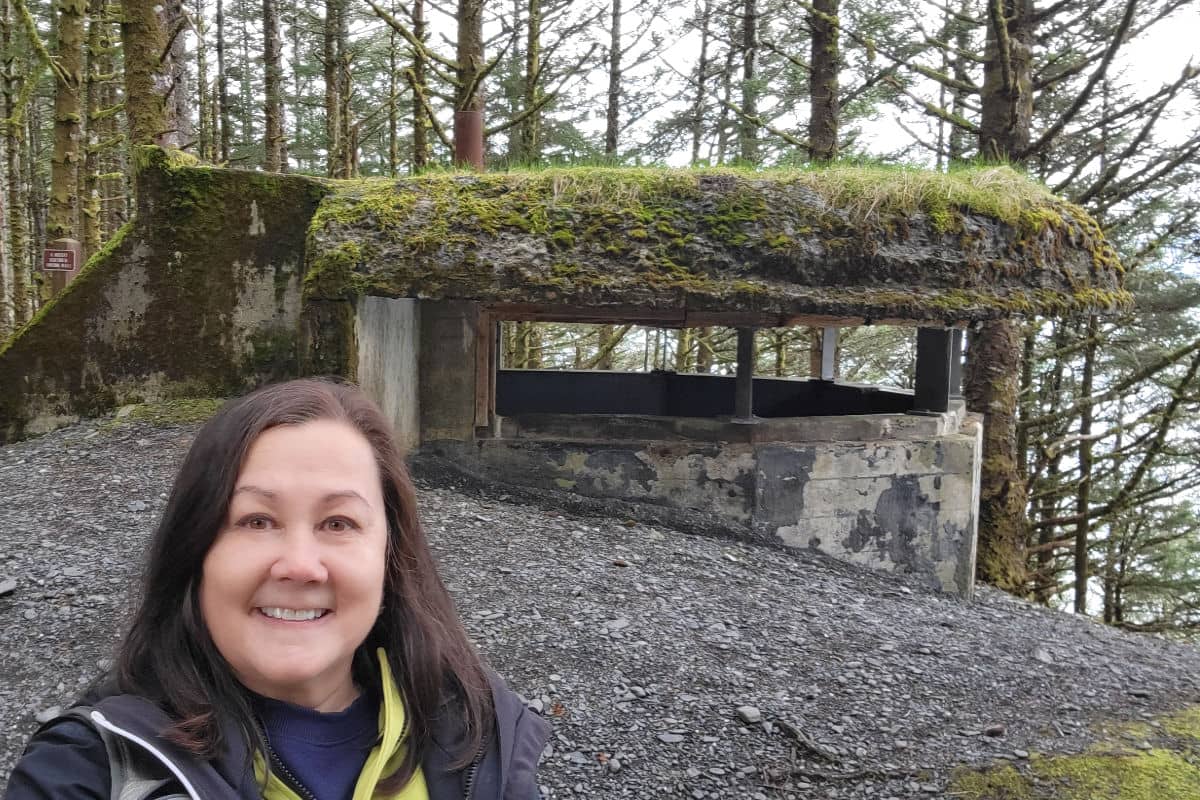
We were thankful to have a rental car to reach the park. Our cruise line excursion only gave guests one hour in the park. We spent several hours hiking many of its trail systems, exploring lakes, coastal areas, and forests.
The park’s Visitor Center houses the Kodiak Military History Museum, providing context for the historic structures throughout the grounds. This museum was one of the highlights of our visit to the park and was worth the small admission fee.
The park features picnic areas with stunning ocean views, making it an excellent location for family outings. The best time to visit is between May and September when weather conditions are most favorable.
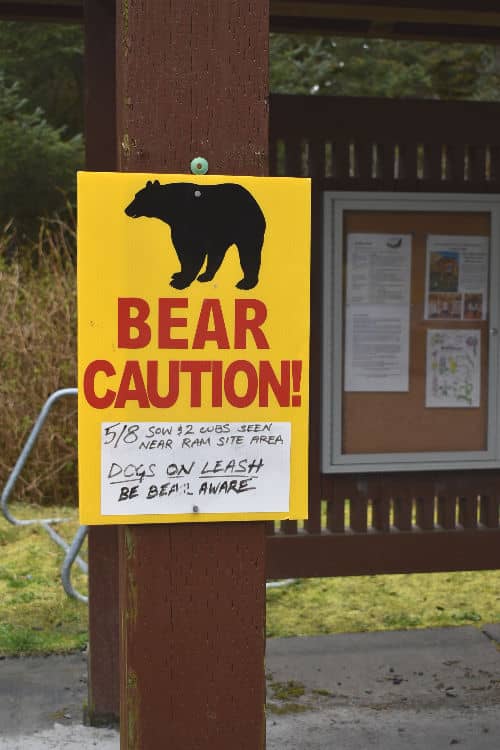
While we didn’t observe any wildlife during our visit, there were notices posted that Kodiak bears had been sighted the day before. However, we did find fresh bear scat. One local dog walker mentioned that she had only had one bear encounter in seven years.
Outdoor Adventures
Kodiak’s pristine wilderness creates the perfect backdrop for unforgettable outdoor experiences. The island’s diverse ecosystems offer visitors multiple ways to connect with nature, from ocean excursions to mountain trails.
Kodiak Marine Wildlife Tour
Kodiak’s waters teem with diverse marine life, making wildlife tours a must-do activity. We recommend booking a tour during the summer months (May-September), when visibility and wildlife activity are at their peak. Most tours last between 3 and 5 hours and depart from Kodiak Harbor.
Expect to see sea otters lounging on their backs, playful Dall’s porpoises, and majestic humpback whales. Keen-eyed visitors might spot orcas hunting near the shoreline. Bring binoculars for the best experience.
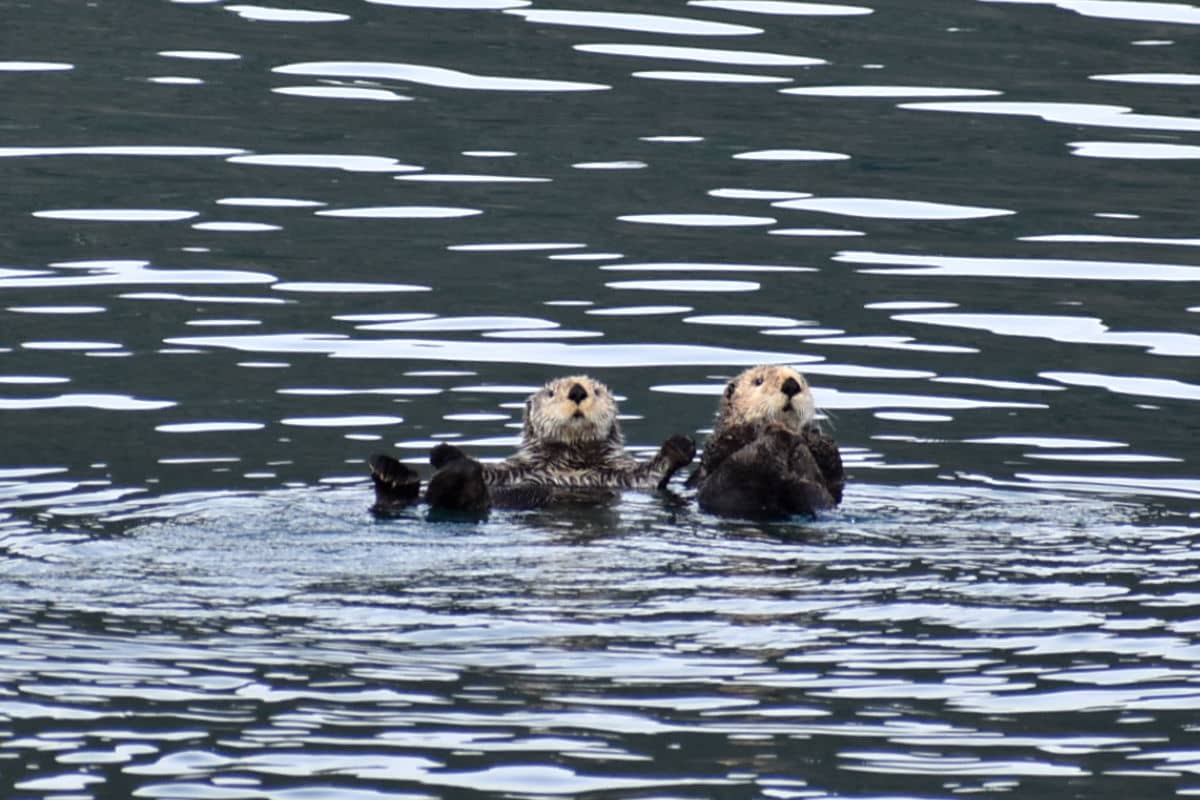
Local operators, such as Kodiak Wildlife Tours and Alaska Marine Adventures, provide knowledgeable guides who share insights about Kodiak’s marine ecosystem.
Guided Wildlife Viewing And Bear Watching
The prime bear-watching season runs from June through September when they congregate near salmon streams. Alaska is rich with bear-watching opportunities, with the most famous being Brooks Falls, located on the mainland.
Coastal brown bear tours are available to Katmai National Park and Brooks Falls on the mainland. Katmai is a half-day trip, while the latter takes 9+ hours. These tours are costly.
Popular locations to see Kodiak bears include the Frazer Lake area and Karluk Lake, accessible by floatplane and boat. Kodiak bear sightings are more difficult than seeing brown bears in Katmai National Park.
Cultural And Historical Attractions
Kodiak’s rich cultural tapestry reflects centuries of Native Alaskan, Russian, and American influences. The island preserves this diverse heritage through several well-maintained museums and historical sites that offer authentic glimpses into the past.
Alutiiq Museum
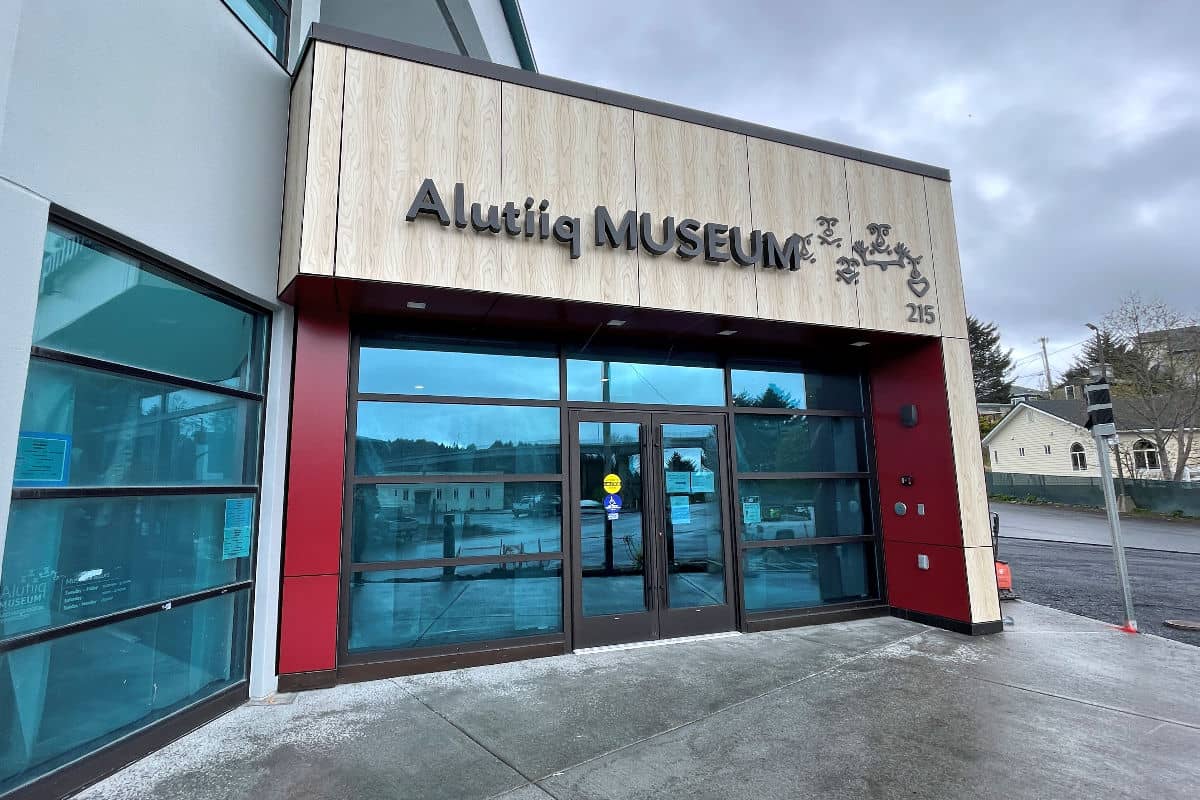
The Alutiiq Museum serves as a cultural center dedicated to preserving and sharing the heritage of the Alutiiq people. Located in downtown Kodiak, this compact but comprehensive museum houses over 250,000 artifacts spanning 7,500 years of Alutiiq history.
Visitors can examine traditional kayaks, hunting tools, and intricate beadwork that showcase the remarkable craftsmanship of Kodiak’s indigenous population. The museum’s exhibits rotate regularly, ensuring fresh perspectives on Alutiiq culture with each visit.
Unfortunately, as we arrived early in the season, the museum was closed for some minor renovations and scheduled to open later in the summer.
Kodiak History Museum
Housed in a National Historic Landmark, the Kodiak History Museum (formerly the Baranov Museum) occupies the Russian American Company Magazin, constructed in 1808.
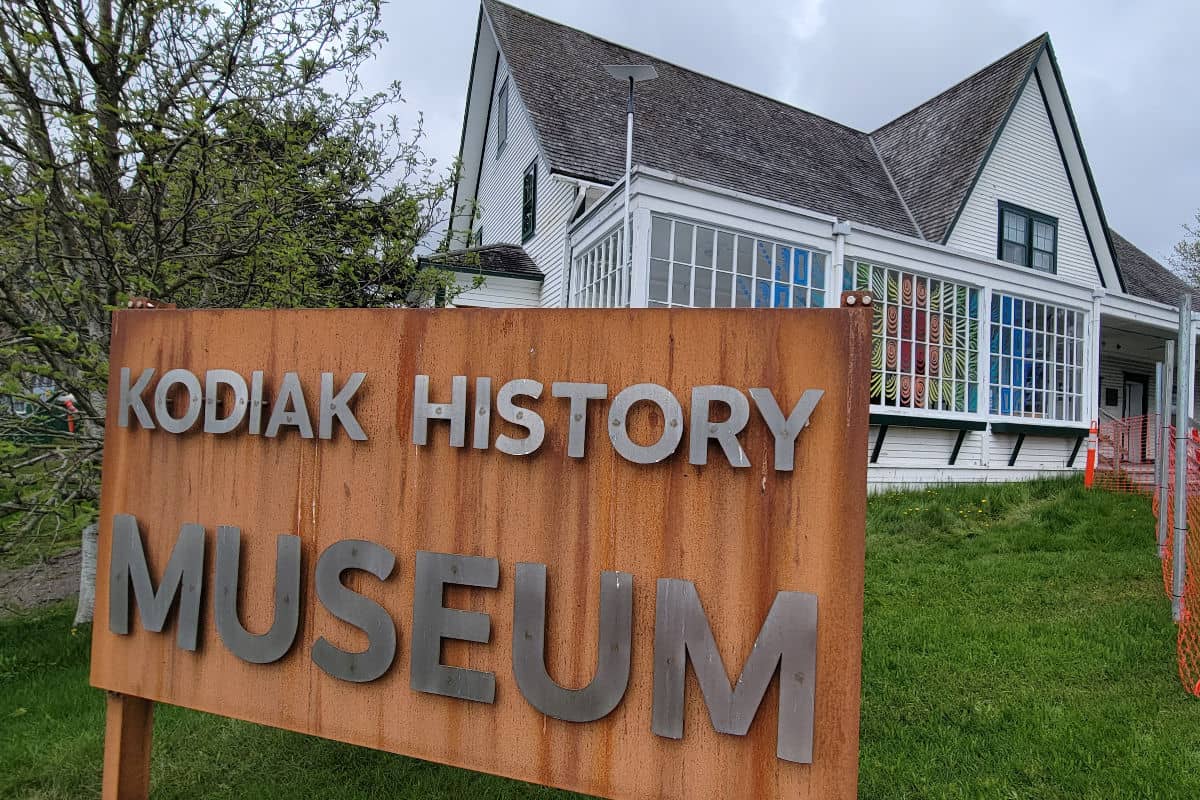
This National Historic Landmark chronicles Kodiak’s diverse past from Russian colonization through World War II and into modern times.
The exhibits were fascinating from traditional Alutiiq hunting equipment to the photographs documenting the devastating 1964 tsunami. The most interesting pieces were the gutskin jackets and the seal stomach container.
Kodiak Military History Museum
Perched atop Miller Point at Fort Abercrombie State Historical Park, the Kodiak Military History Museum is housed in a restored World War II bunker. This unique setting provides an immersive look into Kodiak’s strategic importance during the war.
The museum displays military equipment, uniforms, and communications gear used when the island served as a crucial defensive position against possible Japanese invasion. It’s a hands-on experience, and we were encouraged to touch any of the displays and artifacts in the museum.
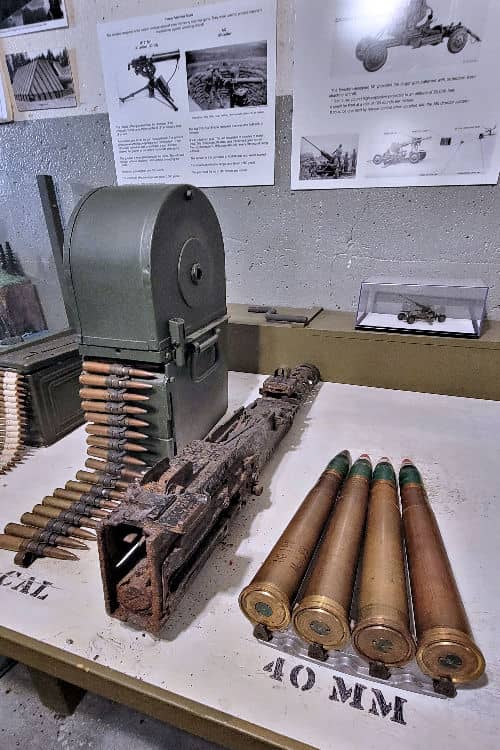
We liked that the museum was staffed by former military members. Their extensive knowledge of Kodiak’s history and exhibits elevated our experience.
Many visitors find the command center particularly fascinating, with its original plotting tables and gun director equipment still in place. The 270-degree views of the surrounding coastline from the coastal defense bunker make clear why this location was selected for military purposes.
Holy Resurrection Orthodox Cathedral
The blue-domed Holy Resurrection Cathedral reflects Kodiak’s Russian heritage. Built in 1945 after the original 1794 church was destroyed by fire, it houses an impressive collection of Russian Orthodox icons and artifacts.
Many treasures survived the fire, including the revered “Our Lady of Sitka” icon, believed to possess miraculous powers. Today, the cathedral continues as a place of worship, keeping alive traditions rooted in Alaska’s Russian past.
Also worth visiting is the Saint Herman’s Orthodox Theological Seminary at 414 Mission Rd. This institution educates future leaders within the Orthodox Church.

Russian American Heritage Sites
Throughout Kodiak, remnants of Russian influence remain visible in architecture and place names. The Russian Blockhouse site features a reconstruction of defensive structures built during the colonial occupation, accompanied by interpretive signs that explain their historical context.
Russian graves in the hillside cemetery date back to the early 1800s, providing poignant reminders of the hardships faced by early settlers. The Russian Bishop’s House, though smaller than its Sitka counterpart, offers insight into ecclesiastical life during the Russian period.
We recommend following the Russian American Trail, a self-guided walking tour connecting several historical sites. Maps are available at the visitor center. These locations collectively tell the story of Russia’s 126-year presence in Alaska, which ended with the territory’s sale to the United States in 1867.
Unique Kodiak Island Activities
Kodiak Island offers visitors extraordinary experiences found nowhere else in Alaska.
Kodiak Crab Festival
The Kodiak Crab Festival celebrates the island’s rich fishing heritage each Memorial Day weekend in late May. This five-day event draws locals and visitors alike with its unique blend of seafood and community spirit.
Highlights include the famous crab feast featuring fresh local seafood, especially the prized Kodiak king crab. The festival also hosts a parade, carnival rides, live music, and entertaining survival suit races in the harbor.
Family-Friendly Or Free Things to Do

Kodiak offers numerous family-friendly activities that won’t break the bank. Fort Abercrombie State Historical Park provides beautiful hiking trails with spectacular ocean views, all at no cost. Children particularly enjoy exploring military bunkers and learning about Kodiak’s WWII history.
The Alutiiq Museum provides a unique opportunity to explore the indigenous culture and history of Alaska. It’s open Tuesday through Saturday and closed Sunday through Monday each week.
Kodiak National Wildlife Refuge Visitor Center welcomes guests without an entrance fee. The interactive exhibits about local wildlife engage curious minds of all ages, and the center often hosts free educational programs during the summer months.
Beach combing along Kodiak’s shorelines costs nothing but yields treasures like unique shells, interesting driftwood, and sometimes even glass floats. Mill Bay Beach and White Sands Beach are perfect spots for this activity.

Here’s some other free seasonal activities:
- Salmon viewing at Buskin River (July-September).
- Berry picking (August-September).
- Wildflower identification hikes (May-July).
- Whale watching from shore (April-October).
Final Thoughts
Kodiak has been on my bucket list for a long time, and I’ve always been fascinated with Kodiak bears. Although we didn’t see any during our visit, we viewed coastal brown bears in two other ports.
During our visit in May, it was cold and wet (just 41 degrees Fahrenheit), which is classic Alaska. The Russian influence and history were everywhere, which added to the cultural experience.
Our visit to Kodiak Island didn’t disappoint. We enjoyed a rare blend of adventure and authenticity, from Russian Orthodox cathedrals to exploring old war bunkers. We left with a yearning to return to Alaska’s wild spirit again.
