
Rainy Day Adventures In Juneau, Ketchikan, And Sitka Cruise Ports
Rain and Alaska go hand in hand—especially in Juneau, Ketchikan, and Sitka! Don’t let a slight drizzle dampen your plans. These charming port towns shine even brighter when the clouds roll in.
Slip on your rain jacket, grab a warm cup of chowder, and get ready to explore local history, cozy museums, and local gems that sparkle under gray skies. After all, a rainy day in Alaska still beats a day in the office!
On our many trips to Alaska, we’ve experienced light mists to outright downpours. Packing the right waterproof gear is essential since excursions run rain or shine. Although early spring often offers drier weather, rain is common every month.
Juneau
Juneau, Alaska’s capital, is renowned for its breathtaking landscapes and vibrant wildlife, but it’s equally famous for its frequent rainfall. Situated amid majestic mountains and the vast Pacific Ocean, this city experiences some of the highest precipitation levels in the United States.
Juneau has a great shopping area, primarily along N Franklin Street. Browse for souvenirs or if you’re a quilter, shop at Changing Tides, my favorite quilt store in Alaska. After shopping, enjoy activities that provide cover.
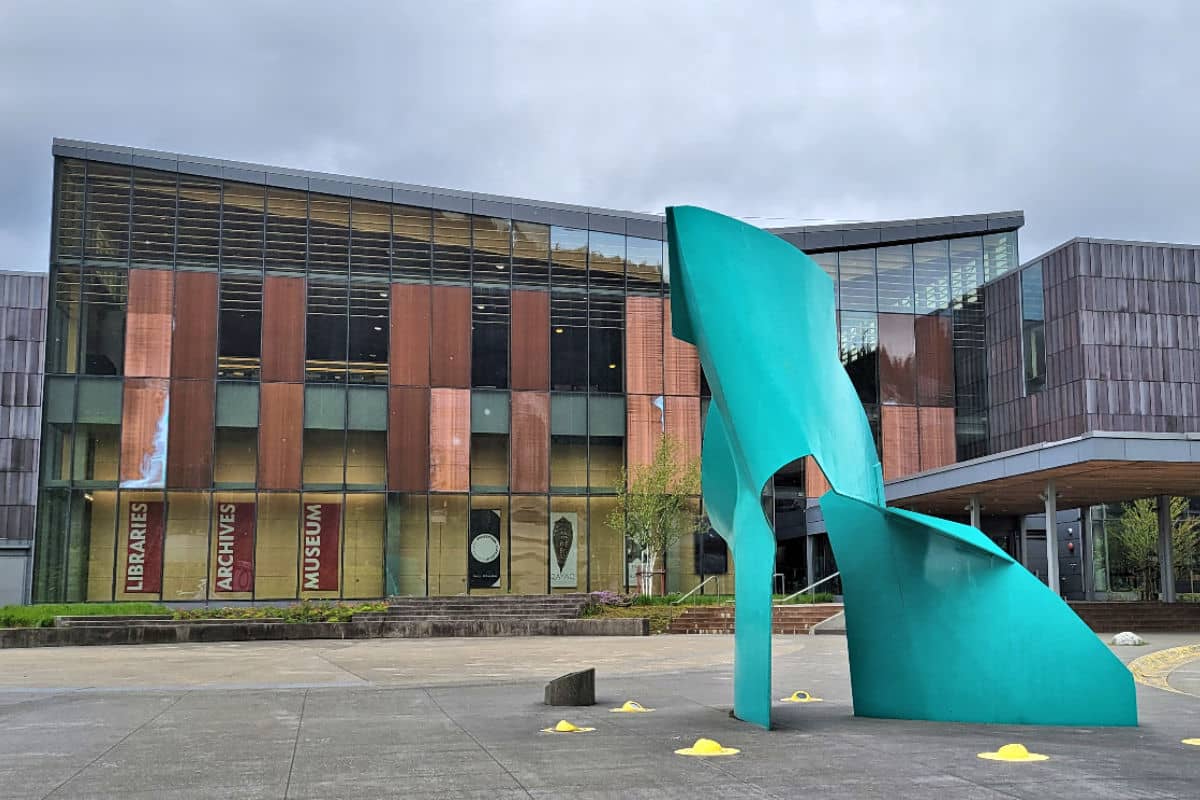
Juneau Alaska State Museum
Juneau has several museums near the cruise port, but the Alaska State Museum on Whittier Street offers an extensive collection of artifacts in a modern building. Amongst its historical items are various indigenous artworks from the Tlingit, Haida, and Yup’ik peoples.
Allow 1.5 to 2 hours to browse the museum. Alternatively, the Juneau-Douglas City Museum on 4th Street focuses specifically on the local history of Juneau and Douglas. Both museums are worth a visit, especially on a rainy day.
Macaulay Salmon Hatchery
The Macaulay Salmon Hatchery is a great place to learn about the life cycle of salmon. Most of the facilities are indoors with an outdoor viewing area and a fish ladder. While the hatchery is open from May to September, July and August offer prime time for viewing the peak salmon runs.
Indoors, check out the rearing tanks to see salmon fry, browse the large aquariums, and get up close with sea creatures at the touch tank. While the facility focuses on fish, they also have a bear and eagle display.
Gold Creek Salmon Bake
After learning about Juneau’s salmon runs, head over to Gold Creek for an all-you-can-eat salmon bake. Although located outdoors, the BBQ area is covered with plenty of benches and large propane heaters to keep the chill at bay.
While fresh coho salmon with honey butter is the star of the menu, there’s much more. The ribs were just as good, along with rice pilaf, salads, chowder, and delicious blueberry cake.
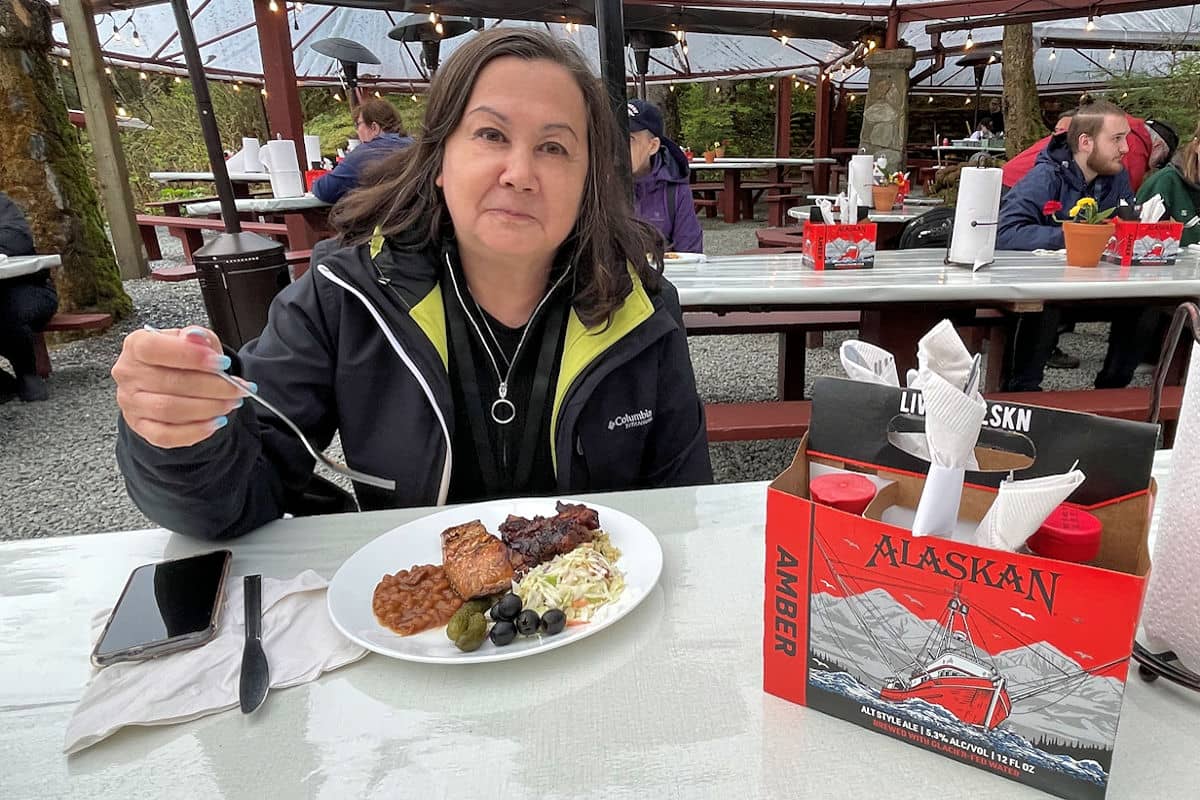
We watched the cook grill the salmon over an Alderwood fire and enjoyed our meal next to a trickling stream. If dressed for the weather, consider gold panning as an additional activity to the salmon bake meal.
State Capitol Building
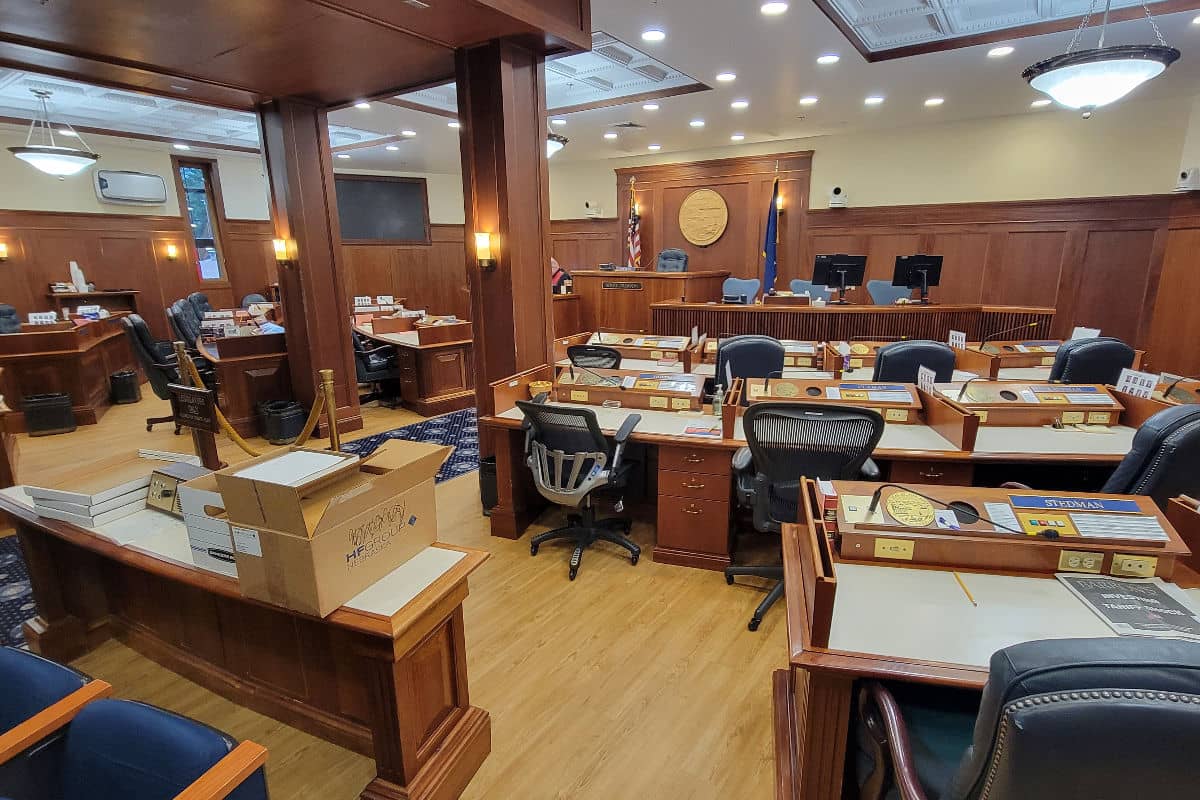
Approximately a 13-minute walk from the cruise port, the Alaska State Capitol symbolizes the state’s rich history and vibrant governance. This architectural gem was completed in 1931 and today offers complimentary self-guided tours.
After a security check, I was advised to take the elevator to the top floor and work my way down. Inside, the halls are adorned with artworks that reflect Alaska’s diverse culture and heritage.
Visitors can browse legislative rooms and even sit in on a meeting. I joined the last 15 minutes of a session in the Senate Finance Committee Room on the fifth floor. The Senate Chambers and House Chambers on the second floor are a must-visit.
AJ Mine Gastineau Mill Tour
Heading underground is a great way to stay dry. The AJ Mine Gastineau Mill Tour, south of downtown, offers a captivating glimpse into Juneau’s rich mining heritage.
Constructed in 1913, this historical site takes guests on an underground adventure through what was once the world’s largest gold-producing mill. We descended 360 feet into the mine and witnessed its mining past.
Afterwards, we tried our hands at gold panning the old-fashioned way and kept what little we found.
Ketchikan
Ketchikan, Alaska’s first city, has its own set of rainy-day activities. The first one might surprise you!
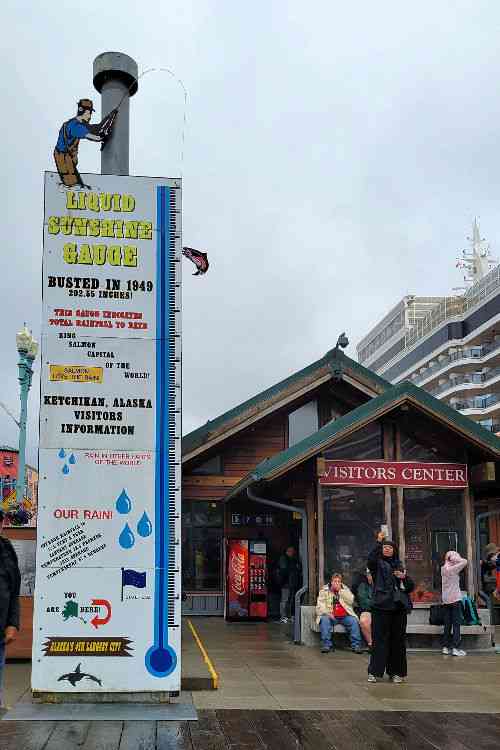
Snorkel In Ketchikan
Snorkeling in Ketchikan, Alaska might seem like a crazy idea, since the water averages 50°F. However, the operator provides thick 7 mm hooded wetsuits and protective gloves to keep out the cold.
Snorkeling in Alaskan water provides a contrasting experience to that in the Caribbean. Gone are the turquoise warm waters, but its marine creatures are just as fascinating. Sea cucumbers, sea stars, kelp, and urchins thrive in the colder environment.
For stronger swimmers, the operator can add weights to the wetsuits to allow them to dive deeper. Finish the experience with a hot shower, a warm drink, and a fantastic experience to share back home.
Southeast Alaskan Discovery Center
The Alaskan Discovery Center offers an enriching experience on a rainy day. It’s perfect for those who want to deepen their understanding of the area’s diverse environment. The center features totem poles that represent the Haida, Tlingit, and Tsimshian cultures.
We recommend joining a ranger talk to get deeper insight into the rainforest and the creatures that call Alaska home. They offer scavenger hunts and offer kid-friendly assignments so little ones can earn their Tongass Junior Ranger patch.
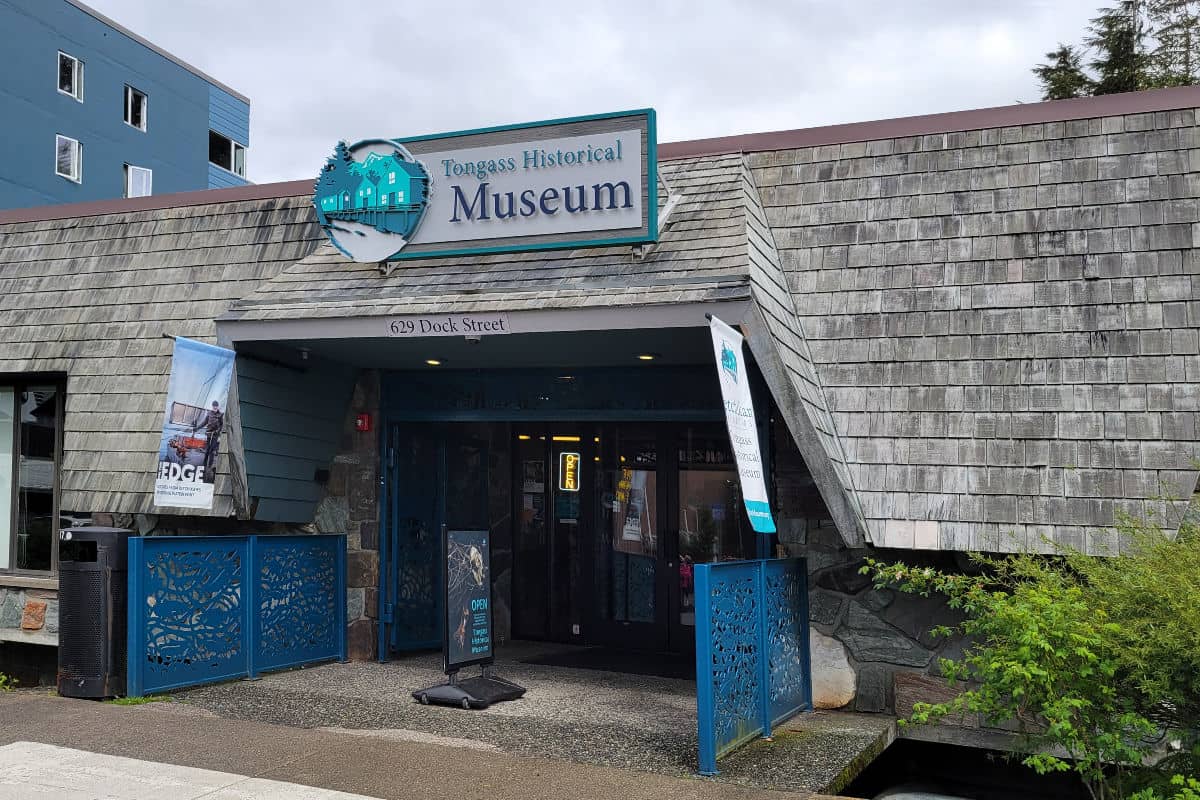
Five minutes further north, the Tongass Historical Museum offers a small exhibit.
Great Alaskan Lumberjack Show
The Great Alaskan Lumberjack Show is one of Ketchikan’s most popular attractions. Just a short walk from the cruise port, this covered attraction is suitable for all ages.
Being Canadian, we’ve seen many lumberjack shows and this one is typical of most. Watch log rolling, axe throwing, trunk cutting, and amazing tree climbing at lightning speeds.
The adrenaline-pumping show gets the audience involved. Cheer for your favorite lumberjack and admire their brute strength. It’s a great activity in Ketchikan for children.
George Inlet Lodge Crab Feast
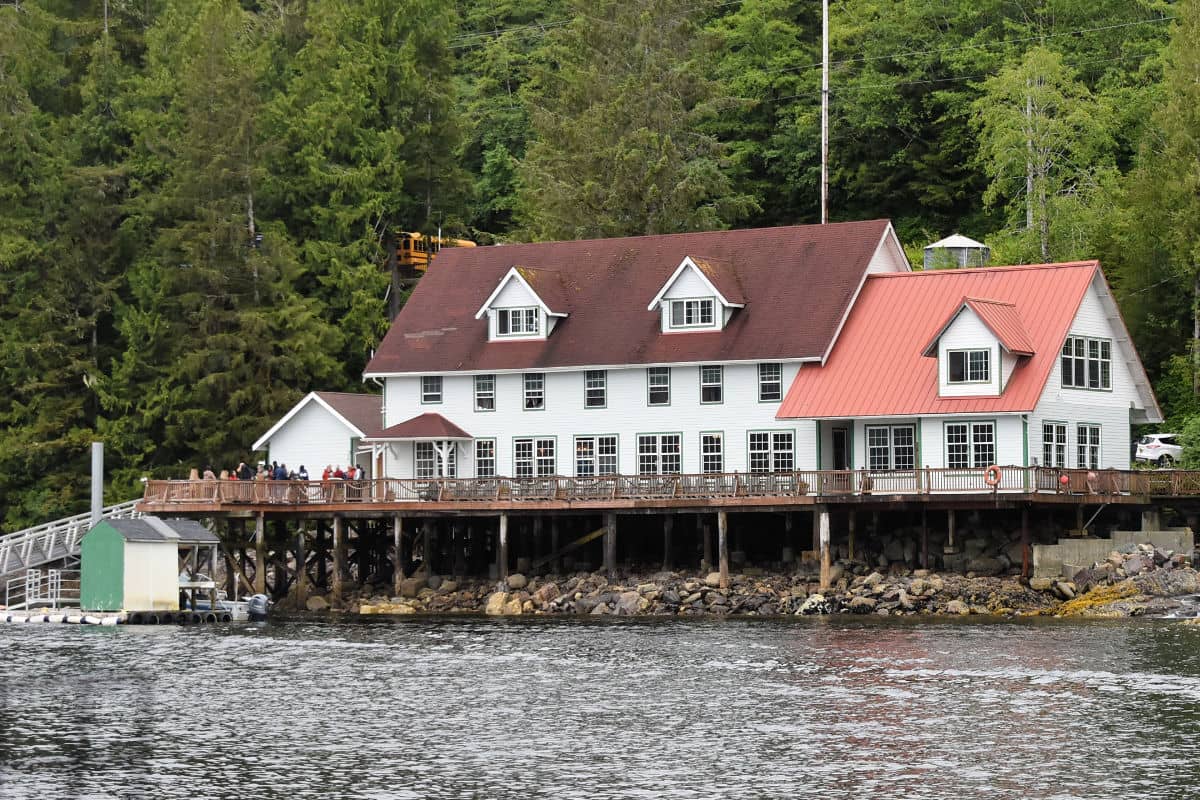
Ketchikan, often called the “salmon capital of the world,” offers more than fish. Head to the George Inlet Lodge to savor fresh local Dungeness crab. The lodge offers waterfront views, but most visitors come for the feast.
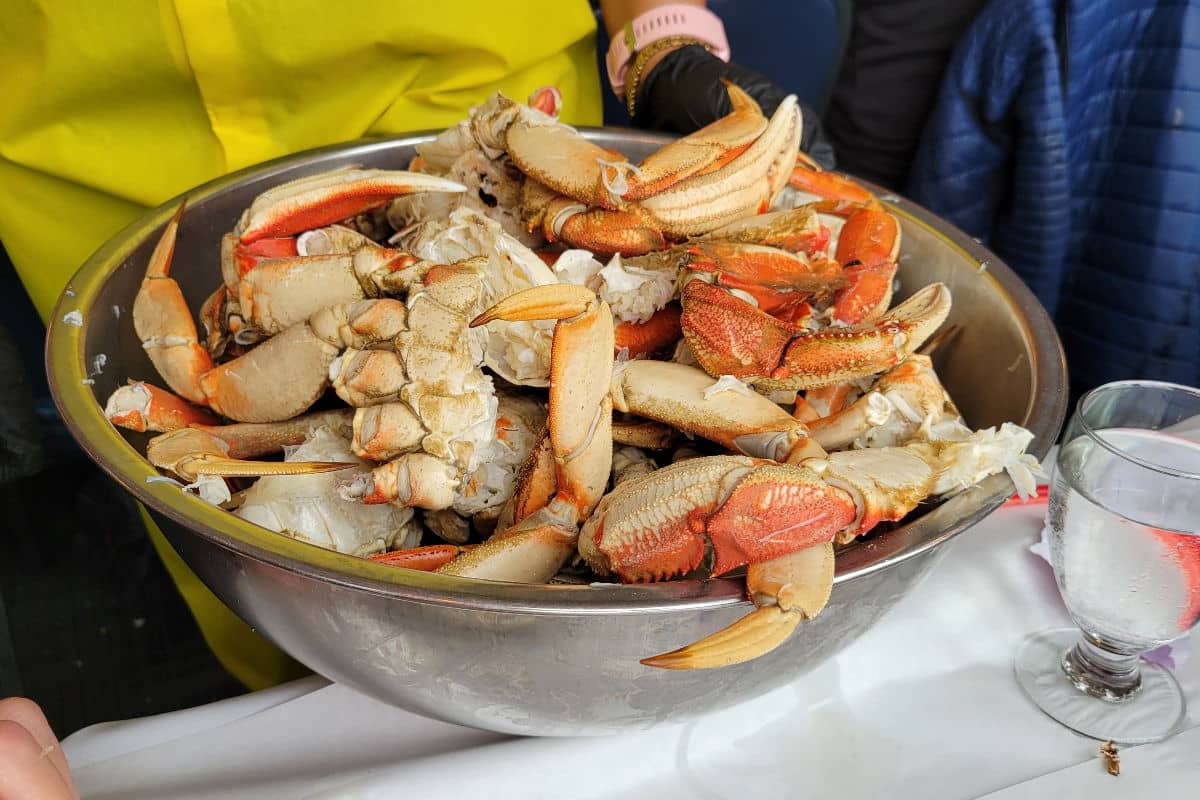
We thought the George Inlet Lodge crab feast was terrific and liked that it was all-you-can-eat. We suggest skipping breakfast and arriving with an appetite. The feast includes Dungeness crab, salad, blueberry cheesecake, and beverages.
Ready to savor delicious crab?
Go with an appetite and the challenge to outeat your table companions.
Of all the places we tried Dungeness crab in Alaska, this was the best. Since they serve up to 800 lbs. of crab daily, the catch is always fresh and cooked to perfection.
Creek Street
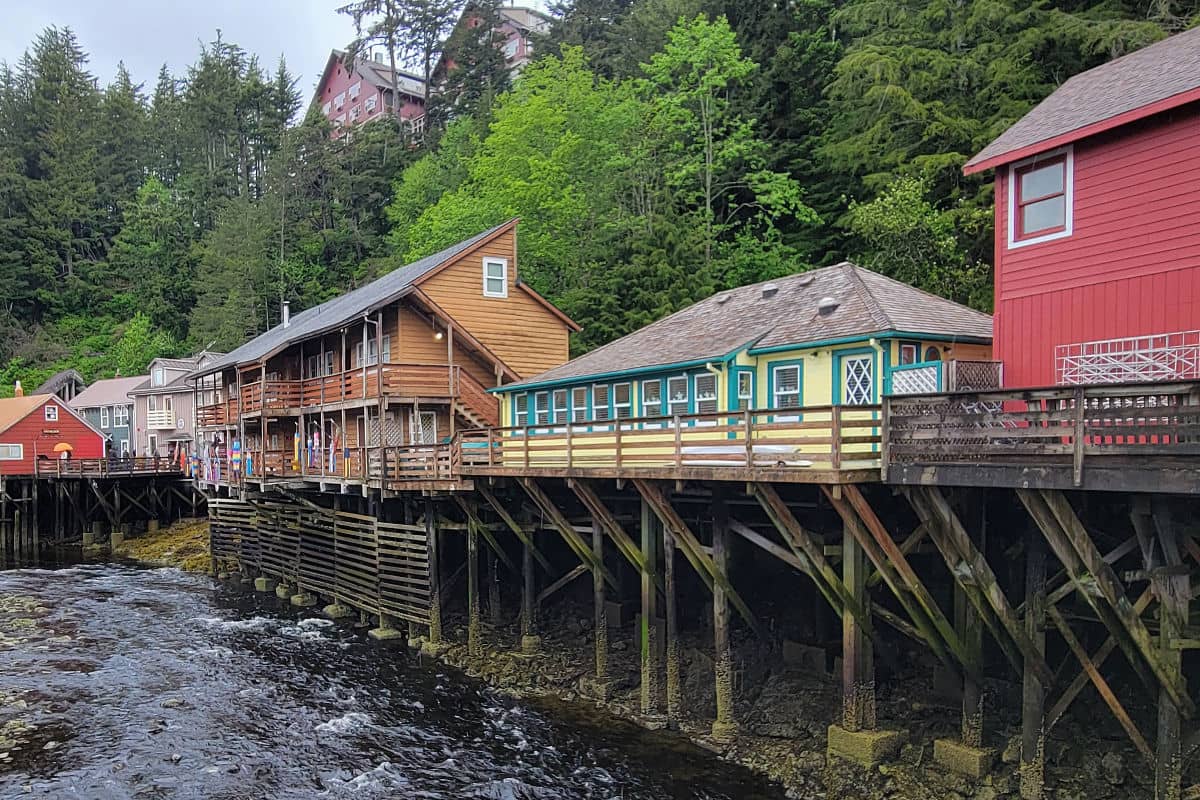
Ketchikan’s Creek Street is a former red-light district. While it isn’t all under cover, grab an umbrella and brave the raindrops anyway. The raised wooden boardwalk features eateries and colorful boutiques, making it a great place to buy Alaska souvenirs.
If the funicular is running to Cape Fox Lodge, we suggest riding it just for fun. The boardwalk follows Ketchikan Creek, an ideal spot to watch the salmon run if visiting in July or August. Highlights in this area include Married Man’s Trail and the salmon ladder.
Our pick for souvenir clothing is Creekside Trading Co., and for food products, Sam McGees. We picked up sourdough starter packages, smoked salmon spread, and wild berry teas.
Dolly’s House Museum
Of all the houses on Creek Street, Dolly’s House might be the most famous, not for its lime green color, but for its former occupant. Dolly Arthur or Thelma Copeland operated a backyard brothel and bragged she had more male friends than women.
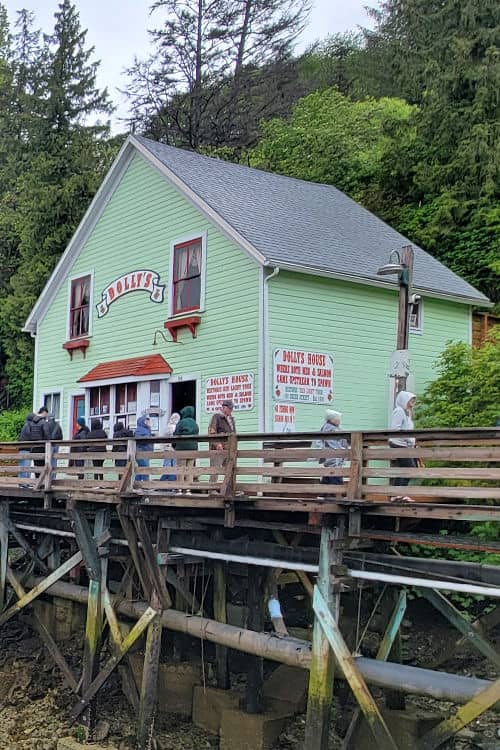
Today, Dolly’s House offers self-guided tours. Visitors can browse tiny rooms with cabbage rose wallpaper and see the bedrooms where the action took place. Most of the furnishings are as they were years ago, providing a historic walk into Alaska’s infamous past.
Sitka
Sitka, like Ketchikan, receives a lot of rain. This former capital boasts a rich history of Russian explorers, fur traders, and the Tlingit people who have lived in the area for millennia.
On a wet day, choose from indoor attractions rich in history and culture, or enjoy its wilder side instead.
St. Michael’s Orthodox Cathedral
St. Michael’s Cathedral, in downtown, is a remarkable example of Russian Orthodox architecture. It holds the distinction of being the first Russian Orthodox church in North America.
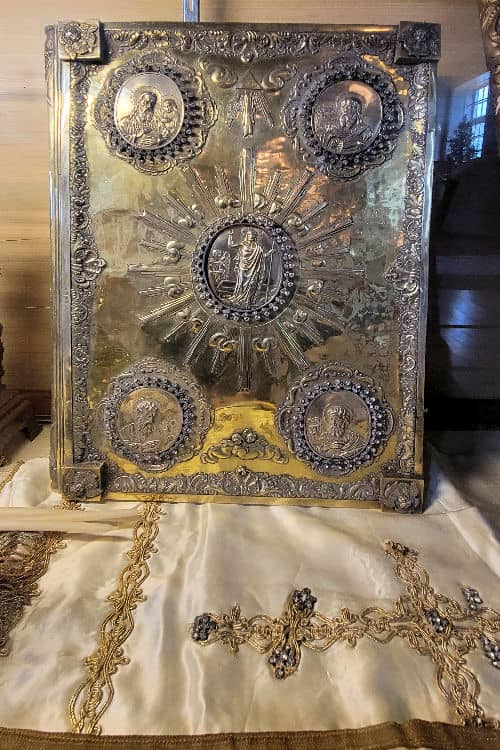
Constructed between 1844 and 1848 under the guidance of Bishop Innokenty Veniaminov, I found the exterior quite ordinary. It’s the interior that shines. Although small, this historic landmark has an extensive collection of beautiful religious artifacts.
Among its most notable artifacts are intricately carved wooden iconostasis and beautifully painted icons, many of which date back to the cathedral’s early days.
Fortress of the Bear
Sitka has two sanctuaries, one for raptors and the other for bears—and the latter is our favorite. Fortress of the Bear is a non-profit sanctuary that rescues orphan bears and educates the public about their species.
Mostly under cover, we’ve spent hours observing the coastal brown bears in their habitats. The facility not only focuses on care but also on education, promoting awareness about bear conservation.
If seeing a bear up close is on the bucket list, add this bear rescue to your itinerary. Rain or shine, the bears never fail to entertain with their playful spirit and jovial antics.

Sitka Sound Science Center
The Sitka Sound Science Center is the perfect refuge for families eager to explore the wonders of marine life and local ecosystems. Most of the exhibits are indoors and feature a salmon hatchery, an immersive aquarium, and touch tanks for kids.
Next door, Ludvig’s Chowder Cart is a great place to eat in Sitka. This charming eatery offers delectable clam chowder with hearty ingredients, ideal for a cold, wet day.
Sheldon Jackson Museum

The most impressive museum in Sitka is the Sheldon Jackson Museum. Housed in an octagonal building, the museum features a fantastic collection of over 80,000 artifacts.
The exhibits highlight the rich heritage of Alaska’s Indigenous peoples. While the museum in small, it’s packed with items from the small objects in drawers and larger items in glass display cases to canoes high above.
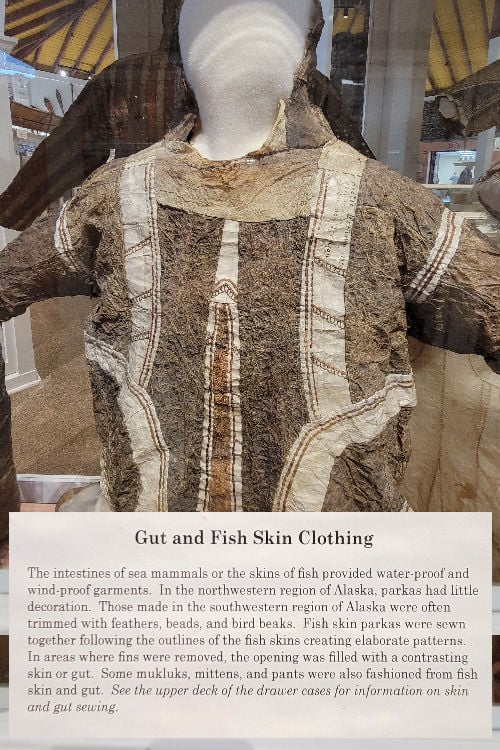
We explored a variety of ethnographic materials, including traditional tools, clothing, and artwork. As a fabric artist, I was impressed by the clothing, beading, and construction materials. Who knew they could make windproof clothing from fish skin and intestines?
Russian Bishops House
Sitka has some remarkable museums. The Russian Bishop’s House is a remarkable example of Russian colonial architecture and one of the oldest surviving buildings from the Russian era in North America. Managed by the National Park Service, it’s complimentary to visit.
Completed in 1842, this historic log structure served as the residence and administrative center for Bishop Innocent (Ivan Veniaminov), the first Orthodox bishop of Alaska.
Visitors are free to browse the lower floor but must join a ranger to browse the upper level. Our ranger pointed out the massive beams and wide boards used in construction. The chapel —the highlight —is still in use today.
