
Alaska Museums Near Cruise Ports: Our Favorites By Towns
Alaska cruise ports offer far more than scenic viewpoints and souvenir shops. Just steps from the docks, you can walk into museums that reveal Alaska’s deep Indigenous roots, Russian colonial past, Gold Rush chaos, and frontier resilience.
We explored these museums during multiple Alaska cruises, often on rainy port days or between shore excursions. Many are easy to visit independently, require little time, and add real context to the places you see from the ship.
This guide highlights the best museums near Alaska cruise ports, including Ketchikan, Juneau, Sitka, Skagway, and beyond. Each recommendation is based on firsthand visits and focuses on what matters most to cruise travelers: walkability, time needed, and cultural value.

If weather changes or tours sell out, these museums offer one of the most rewarding ways to experience Alaska on your own terms.
Top Museums In Ketchikan (Walkable From The Cruise Port)
Ketchikan has three unique museums that feature the area’s Native heritage, natural history, and lively frontier past.
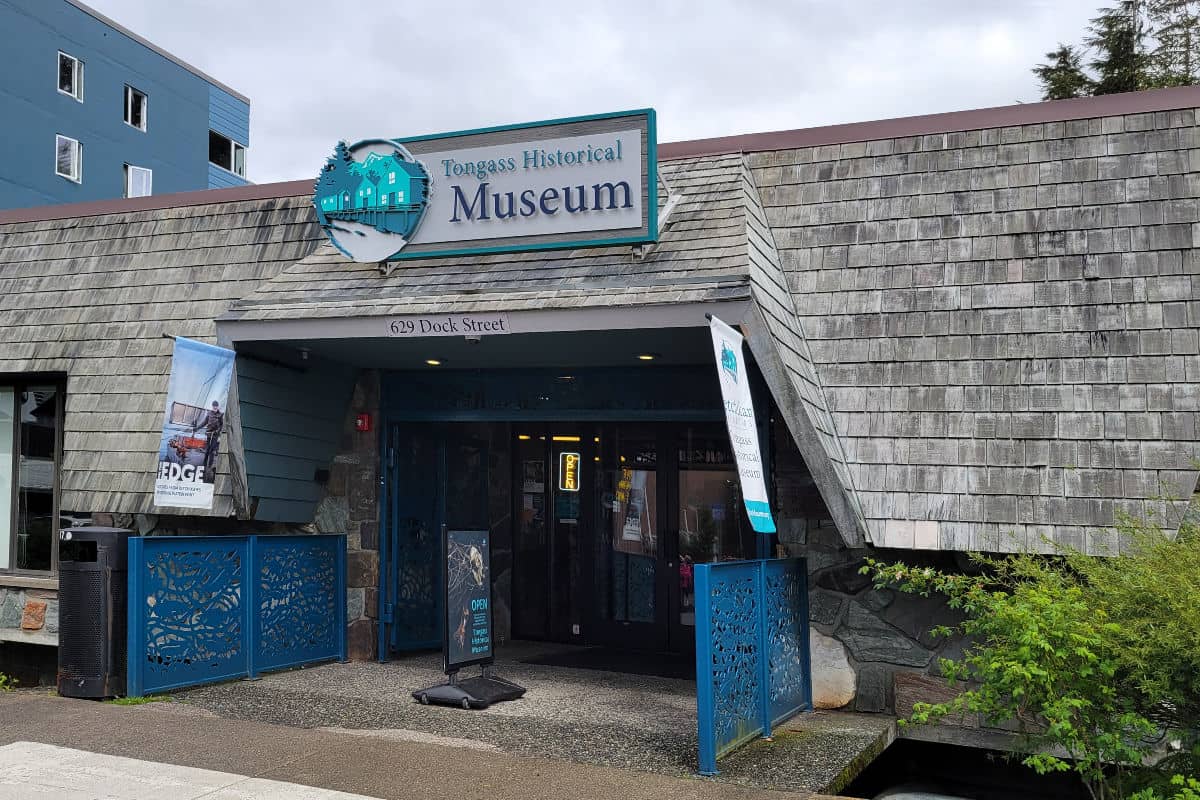
Tongass Historical Museum
Why Go: The Tongass Historical Museum is Ketchikan’s primary repository for local history. We found the museum’s collection particularly strong in its coverage of Tlingit, Haida, and Tsimshian artifacts. The exhibits showcase traditional Native tools, ceremonial regalia, and everyday objects that tell the story of Southeast Alaska’s indigenous peoples.
Distance from Dock: Located in the Centennial Building, the museum is within easy walking distance of the Ketchikan cruise port.
Time Needed: 45-60 minutes.
Insider Tip: Look out for rotating exhibits on the salmon canning industry, pioneer life, and World War II Photography collections, which show Ketchikan’s transformation from a fishing village to a major cruise port.
Admission: Typically, USD 5 for adults.
Southeast Alaska Discovery Center
Run by the U.S. Forest Service, this center focuses on the Tongass National Forest and Southeast Alaska’s indigenous cultures. Multimedia presentations and hands-on displays illustrate concepts like salmon life cycles and old-growth forest ecology.
This center is also easily accessible on foot from the cruise port. Allow around an hour to enjoy the multimedia aspects and exhibits.
Insider Tip: Don’t miss the Native cultural exhibits featuring detailed explanations of totem pole symbolism and the small theater showing films about the region’s natural wonders.
Dolly’s House Museum
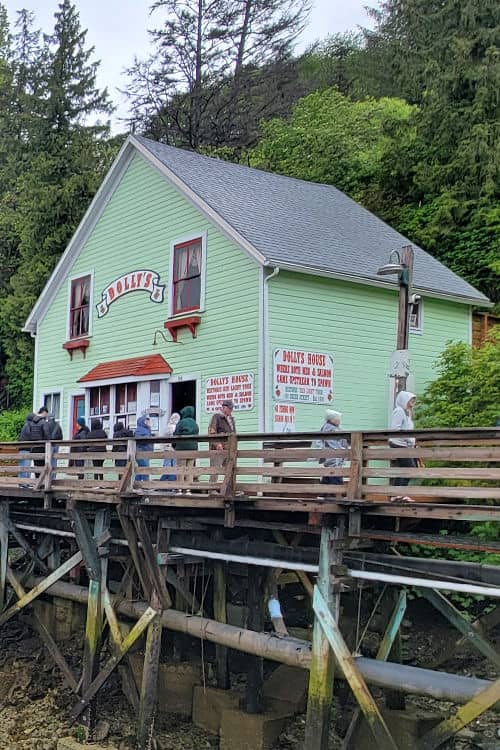
A less traditional museum, the lime-green house on Creek Street, is home to Dolly’s House Museum. It preserves the history of where Dolly Arthur operated a brothel during Ketchikan’s red-light district era, until the mid-1950s.
The house has mid-20th-century decor, with period clothing, furnishings, and personal items. The building’s waterfront location, perched on stilts above Ketchikan Creek, adds to its historical character.
Juneau Museums Near The Cruise Docks
Juneau’s museum scene centers on three distinctive institutions that cover native heritage, gold rush history, and comprehensive Alaska culture. Each museum occupies a specific location, two within walking distance of the cruise port.
Juneau-Douglas City Museum
The Juneau-Douglas City Museum is near the Alaska State Capitol. The latter offers complimentary self-guided tours while the museum is free between September 28th and May 2nd. Both make worthy visits on a wet day in Juneau.
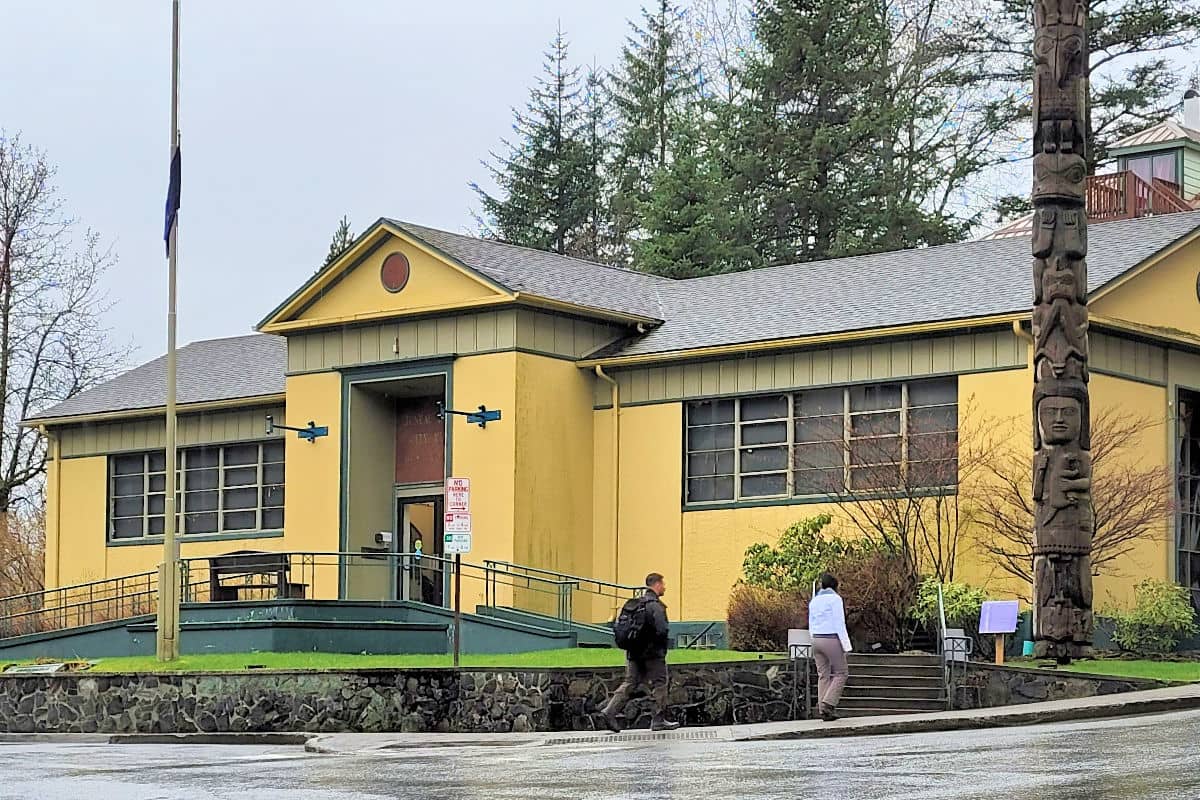
The museum focuses on the city’s local history and cultural development, from its mining camp days to its status as the state’s capital. We particularly liked the exhibits on the gold rush, with historical photographs and mining equipment.
The museum places strong emphasis on the Juneau-Douglas area rather than broader Alaska topics. For a museum focusing on the state’s history, head to the Alaska State Museum, a 5-minute walk west.
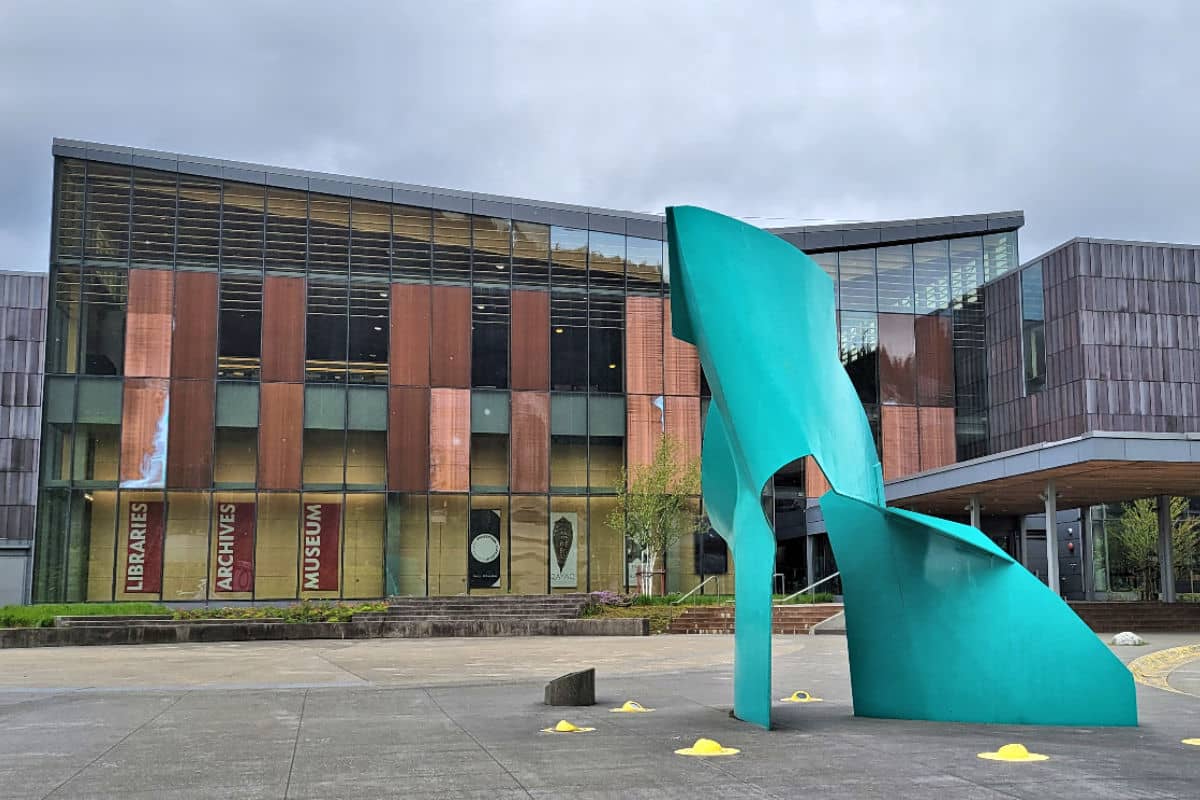
Alaska State Museum
The modern Alaska State Museum brings Alaska’s story together in one place. It covers natural history, Indigenous cultures, and the forces that influenced the state. We found it pivotal for grasping Alaska beyond Juneau.
The museum features a strong collection of Alaska Native art and objects. These represent the Tlingit, Haida, Tsimshian, Athabascan, Yup’ik, Inupiaq, and Aleut peoples. The Walter Soboleff Building houses the largest display of Southeast Alaska Native art.
Exhibits cover Russian colonization, the Klondike Gold Rush, World War II, and Alaska’s path to statehood. The natural history galleries excel at explaining wildlife, geology, and ecosystems through specimens and hands-on displays.
Last Chance Mining Museum
Set in the 1914 Compressor Building at the former Last Chance Mine, this museum showcases Juneau’s mining history. Original compressors and tools still fill the space and once powered the entire operation.
Here, we viewed exhibits that explain how miners adapted hard-rock technology to Alaska’s harsh conditions. The staff shared how compressed air ran drills across the mine, which operated from 1914 to 1944.
This site is farther from town and feels quieter. We paired our visit with the Gold Flume Trail, a great family-friendly hike in Juneau.
Must-See Museums In Sitka For Cruise Visitors
Sitka’s museum scene embodies its unique position as Alaska’s former Russian colonial capital. It has some of the best collections spanning indigenous Tlingit culture, Russian America, and early Alaskan history.
Russian Bishop’s House

The Russian Bishop’s House is one of only four surviving Russian colonial buildings in North America. Built in 1842, this National Historic Landmark served as the residence of Bishop Innocent Veniaminov, an important figure in Alaska’s Russian Orthodox heritage.
The National Park Service manages the building and offers free ranger-led tours. We toured the restored first floor, featuring 1840s living quarters and period artifacts. The upper level, available only with a ranger, explores Russian colonial life and the Orthodox Church’s role in Alaska.
The structure itself is remarkable. We couldn’t get over the massive size of the hand-hewn logs and floorboards unseen in modern construction today.
Insider Tip: Go later in the afternoon when most cruise guests have already visited. We were lucky enough to do the ranger-led tour with no other people.
Sitka Historical Society & Museum
In Harrigan Centennial Hall, this museum is steps from cruise shuttles. Its real strength is breadth—few small museums trace a town’s transformation so clearly, from Tlingit settlement to Russian capital to American territory.
The collection blends Tlingit artifacts, Russian-era objects, and early American materials. A prominent exhibit is the scale model of Sitka in 1867, created for the Alaska Purchase ceremony. Vintage photographs add context, showing cultural sharing and change over time.
Sheldon Jackson Museum

The Sheldon Jackson Museum houses Alaska’s oldest museum collection, established in 1888. It’s the gem of Sitka. Presbyterian missionary Sheldon Jackson gathered indigenous artifacts, creating one of the finest collections of Native Alaskan material culture.
The octagonal building contains over 5,000 objects from various Alaska Native groups. We viewed carved masks, kayaks, hunting implements, bentwood boxes, and everyday tools. I was especially attracted to the clothing and ceremonial regalia. Imagine wearing something made from gut skin?

While most items are housed in glass cases, look above to see the canoes and kayaks, and open the drawers below. The drawers have smaller objects with detailed descriptions.
Museums In Skagway
Skagway’s museum scene centers on its colorful Gold Rush past, with three distinct venues offering different perspectives on the boomtown era. These sites preserve the stories of pioneers, entrepreneurs, and the societal relationships of 1898.
Red Onion Saloon Brothel Museum
The Red Onion Saloon was Skagway’s most famous brothel from 1898 to 1914. Today, the upstairs building is like a small museum, while the saloon below still operates. It feels much like the Dolly House Museum in Ketchikan. Direct and unapologetic.
Costumed guides explain daily life and how the business operated during the Gold Rush. The tour entails exploring the authentic cribs, furnished with period décor, clothing, and personal items.
Moore Homestead

The Moore Homestead sits at the end of 5th Avenue and often goes unnoticed. Built in 1887
by Captain William Moore, it is Skagway’s oldest structure and is included in the Klondike Gold Rush National Historical Park.
We explored the original cabin and nearby buildings that showed how Moore founded the homestead that became downtown Skagway. The humble home features period furniture and exhibits on the Moore family’s displacement during the Gold Rush.
Skagway Museum
Located in the historic McCabe College building, the Skagway Museum houses an extensive collection of Gold Rush artifacts and Alaska Native items. At USD 2 for admission, it’s a bargain.

One of its prominent items is a duck neck quilt made by Jennie Olson. The skins were preserved with salt before assembly and embellished with saw-tooth edging.
Along with taxidermized wildlife, there are traditional clothing, household items, and native tools. Another striking item, a walrus jaw mug, carved from the jaw of a massive sea cow that looked too hideous to drink from.

Unique Kodiak Island Museums
While few cruise ships visit Kodiak, the island has some unique museums. These venues preserve over 7,500 years of indigenous heritage alongside Russian colonial history and American military legacy.
Kodiak Military History Museum
The Kodiak Military History Museum covers the island’s defense role in World War II and the Cold War. It occupies a former naval facility in Fort Abercrombie State Historical Park.
Exhibits focus on Fort Abercrombie and Kodiak’s coastal defenses against a potential Japanese invasion. Artifacts include uniforms, weapons, radios, and personal items from service members. Staff encouraged interaction, unlike most museums that are touch-free.
Highlights here included a 60-inch searchlight used for harbor and air defense and military radio equipment.

Alutiiq Museum
The Alutiiq Museum tells the story of the Alutiiq and Sugpiaq people, who have lived on Kodiak Island for thousands of years. Did you know the collection holds more than 250,000 artifacts?
Hands-on exhibits show kayak building, basketry, and food preservation. Archaeological displays feature ancient tools, ceremonial masks, and finely crafted objects from village sites across the archipelago.
Kodiak History Museum
The Kodiak History Museum is housed in the Erskine House, a rare Russian-era building from the early 1800s. Once called the Baranov Museum, it traces Kodiak’s Native, Russian, and American past.
Exhibits fill the original rooms. We saw samovars, religious icons, Russian dolls, and trade goods. Some standout items included gut skin clothing and a seal stomach container. Gut skin, often from seal or caribou intestines, is naturally waterproof and windproof, and breathes better than fur.
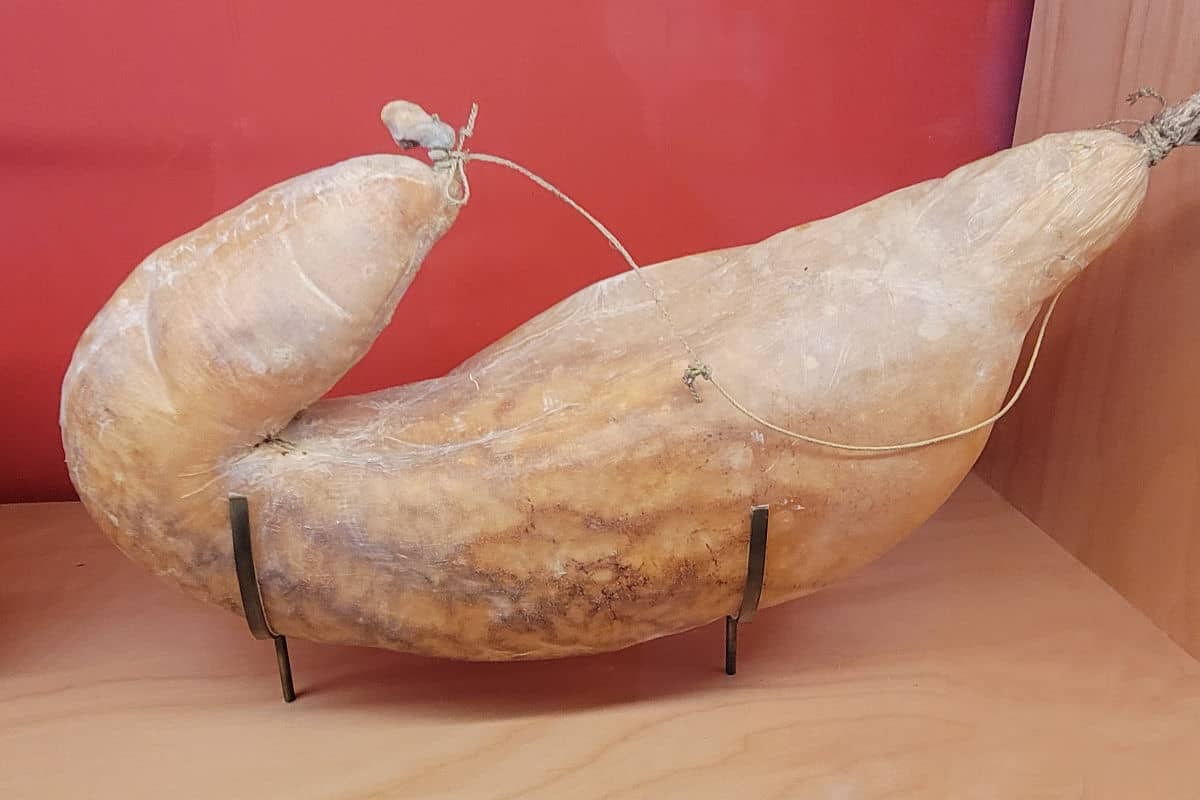
Fishing history anchors the story. So does the building itself, with original materials and construction details still on display.
Popular Museums In Anchorage For Cruise And Land Tours
Anchorage serves as Alaska’s cultural hub and is often included on cruise and land tours. While the city has many museums, we feature the ones often visited by cruise guests.
Alaska Native Heritage Center
Our favorite museum in Anchorage is the Alaska Native Heritage Center. This reconstructed village represents six different geographic regions. We walked the trail and explored each dwelling, from an Athabascan log house to a subterranean home.
Each village features daily cultural demonstrations, including traditional dance performances, storytelling sessions, and craft workshops. Plan for 2-3 hours to experience both indoor and outdoor components fully.

The full experience is offered from mid-May through September, matching the cruise season. We visited in the off-season but still enjoyed a self-guided visit.
Anchorage Aviation Museum
The Alaska Aviation Museum sits beside Lake Hood, the world’s busiest seaplane base. That location alone makes it special. Plan one to two hours. It’s a top destination for understanding how aviation shaped Alaska.
Inside there are more than 25 historic aircraft, with a strong focus on bush planes and military aviation. Standouts include a 1928 Stearman and rugged Piper Super Cubs built for Alaska’s conditions.
Observation decks overlook active runways, where seaplanes land and take off all day. Former pilots frequently act as docents.

Anchorage Museum
The Anchorage Museum is Alaska’s largest museum. We suggest starting on the second floor and allowing 3 to 4 hours overall. The museum combines art, history, and science in one downtown space. Permanent galleries trace Alaska’s story from prehistory to statehood.
The Smithsonian Arctic Studies Center displays more than 600 Native artifacts. Art galleries showcase contemporary Alaskan art alongside historic works, while the Discovery Center explains ecosystems and wildlife through hands-on activities.
We found the interactive exhibits kept things engaging. For Northern Lights interest, don’t miss the Planetarium, which explores Arctic astronomy and the aurora.
Overlooked Museums Along Alaska Cruise Routes
Don’t overlook the smaller museums that punch above their weight. Each museum has its own charm and stories to tell, rendering them vital stops on any cruise itinerary. The Hammer Museum might be the quirkiest of its kind in Alaska.
Wrangell Museum
The Wrangell Museum is one of Alaska’s oldest museums, housing collections that span 8,000 years of Tlingit culture and European settlement. The museum’s historic house posts are among the finest examples of Tlingit carving in Southeast Alaska.

The museum occupies the basement of the Nolan Center and displays over 3,000 artifacts ranging from ancient petroglyphs to gold rush memorabilia.
Key exhibits include:
- Original Tlingit house posts from Chief Shakes House.
- Maritime artifacts from early Russian and British traders.
- Gold rush photographs and mining equipment.
- Traditional Native tools and ceremonial objects.
Whitney Museum In Valdez
The Whitney Museum tells Valdez’s story, from a small port to an oil pipeline hub. It also documents the 1964 earthquake and the town’s full relocation. Exhibits cover Alaska Native artifacts, pioneer life, and the Trans-Alaska Pipeline.
Historic buildings, including an old stamp mill, remain on site. Photo archives show Valdez before and after the quake. The contrast is striking and points out the community’s resilience.
Icy Strait Cannery Museum
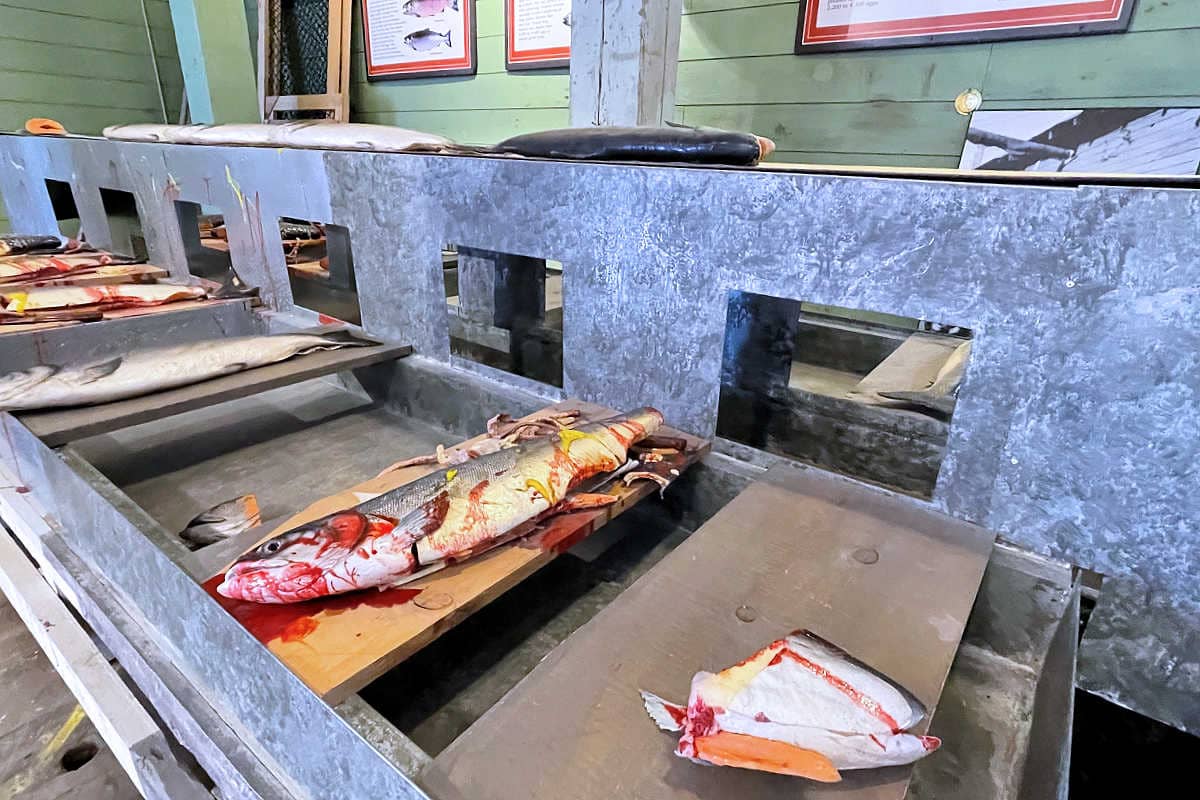
One of Icy Strait’s best free activities is checking out its Cannery Museum. This museum occupies a restored 1912 salmon cannery building along with shops and a restaurant.
The museum features original cannery equipment, including the “Iron Chink” fish-cleaning machines and canning lines that processed millions of salmon. While the fake fish are a bit cheesy, the displays offer an in-depth look at the region’s canning process.
Which Museum Should You Visit?
Museums make a great activity when it rains in Alaska, which it often does. Museum choices come down to ports visited, personal interests, and budget. Some, like the Icy Strait Cannery Museum, are complimentary, while others charge a fee.
Our favorites are the Skagway Museum and Sheldon Jackson Museum in Sitka. I think I’m still fascinated by the gut skin clothing!
