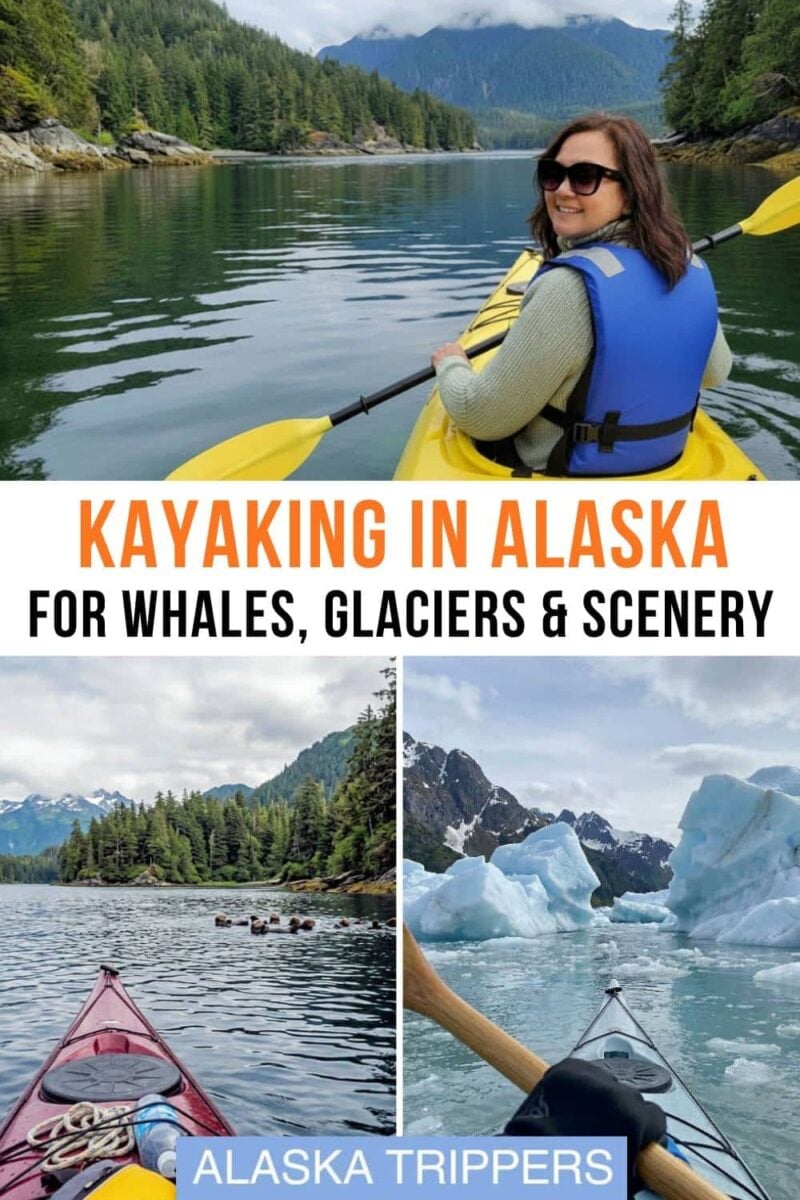
Kayaking In Alaska: Glaciers, Whales, And Wildlife From The Water
Kayaking in Alaska puts you at sea level with the state’s biggest draws: tidewater glaciers, breaching humpbacks, and sea otters floating just off the bow.
Unlike a wildlife boat carrying fifty passengers, a kayak gets you close enough to hear ice crack and a whale exhale. It is quieter, slower, and more immersive than most shore excursions.
This guide covers the main types of Alaska sea kayaking, where to find them, and what to expect, whether you’re booking a port day from a cruise ship or building a land-based itinerary around Anchorage and the Kenai Peninsula.
Why Kayaking Belongs On Your Alaska Itinerary
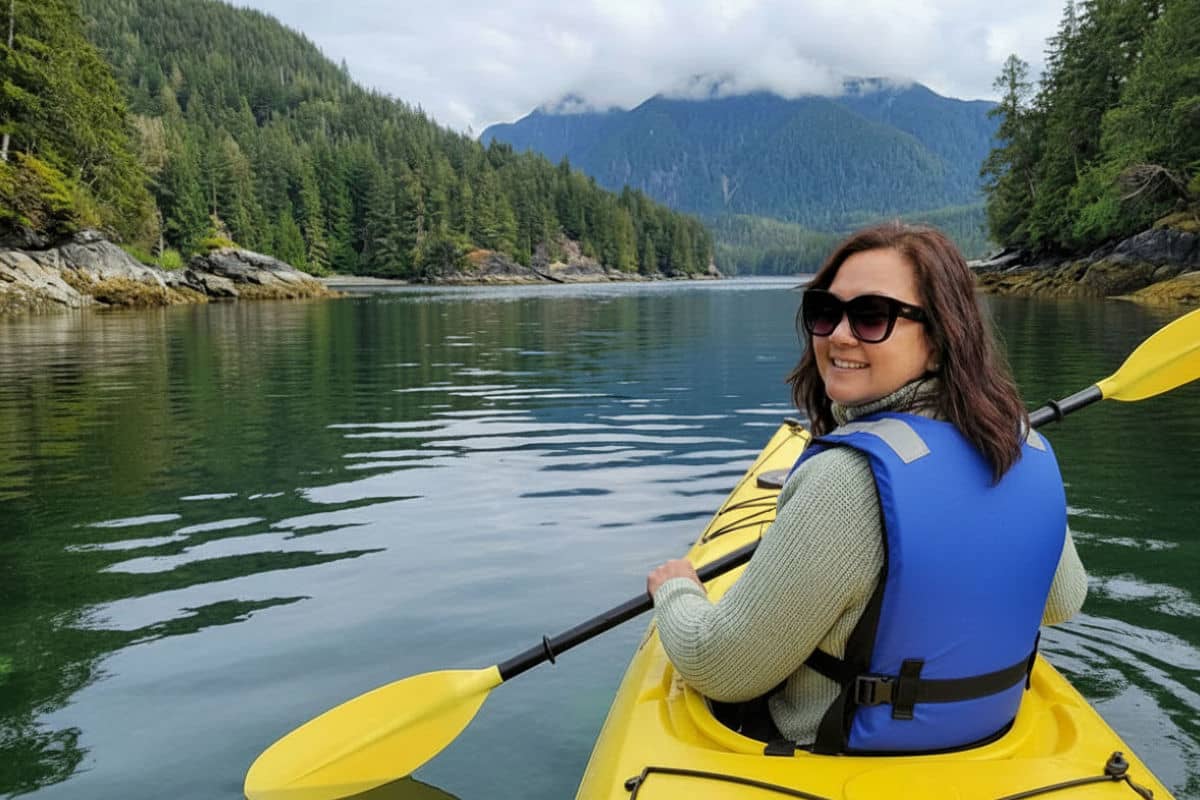
Most Alaska excursions put you on a bus, train, or larger vessel. Kayaking offers an intimate experience. It is one of the few activities we’ve enjoyed paddling at the same level as wildlife instead of watching from several stories up. The trade-off is a smaller group and more physical effort. The payoff is proximity.
On our trips, the moments that stuck with us came from the water: paddling past sea otters in Sitka close enough to watch one crack open a clam on its belly or sitting still in Icy Strait Point’s waters while a humpback surfaced fifty yards away. A cruise deck experience does not compare.
Kayaking tours in Alaska generally fall into three categories: glacier kayaking, wildlife-focused paddling, and kayaking in Alaska with humpback whales. Many operators blend two of these into a single excursion. Check out places such as Icy Strait Point and Kenai Fjords National Park, where glaciers and marine mammals share the same stretch of water.
Glacier Kayaking In Alaska
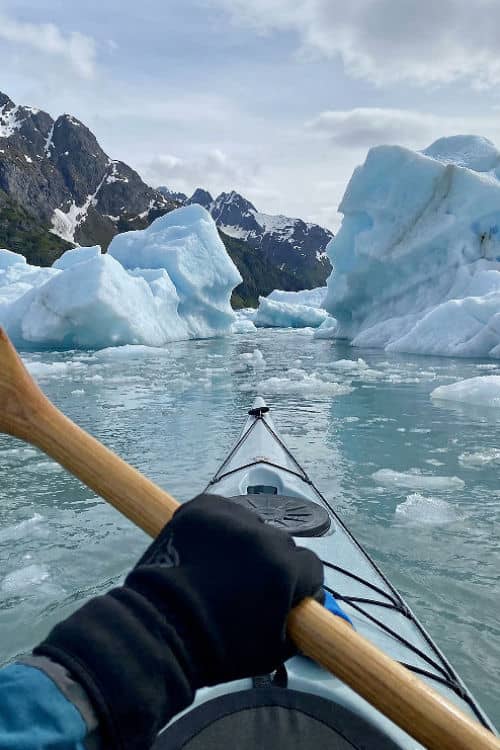
Glacier kayaking is the bucket-list version of the sport. Imagine paddling toward a wall of blue-white ice, often with floating chunks, and listening for the deep crack and boom of calving. It is one of the few ways to experience a glacier’s scale without the noise and crowd of a tour boat.
Port days in Valdez offer kayaking adventures to Valdez Glacier Lake. Longer stays offer options for day trips to Shoup Bay or Columbia Bay. Pangaea Adventures is a popular operator.
Seward And Kenai Fjords
Seward is the most accessible base for glacier kayaking in Southcentral Alaska. Paddling trips typically launch into Resurrection Bay. For a longer excursion, they combine a boat transfer with kayaking to Aialik Glacier. True North Kayak Adventures also provides tours from nearby Homer.
The protected bay keeps conditions manageable for first timers, while the boat-assisted trips push further into glacier country for those wanting the full experience.
Our half-day tour from Seward stuck to calmer waters near town and focused on the coastline, and tide pools. We spotted harbor seals during our paddle. These excursions are ideal for travelers ending or starting a cruise from the port of Seward.
Plan for a full day if glaciers are the priority. The half-day version is more about a relaxed paddle than ice.
Whittier And Prince William Sound
Whittier is the other major glacier-kayaking hub, and it sees less tourist traffic than Seward. Trips here paddle toward tidewater glaciers in Prince William Sound, often spotting harbor seals resting on icebergs along the way.
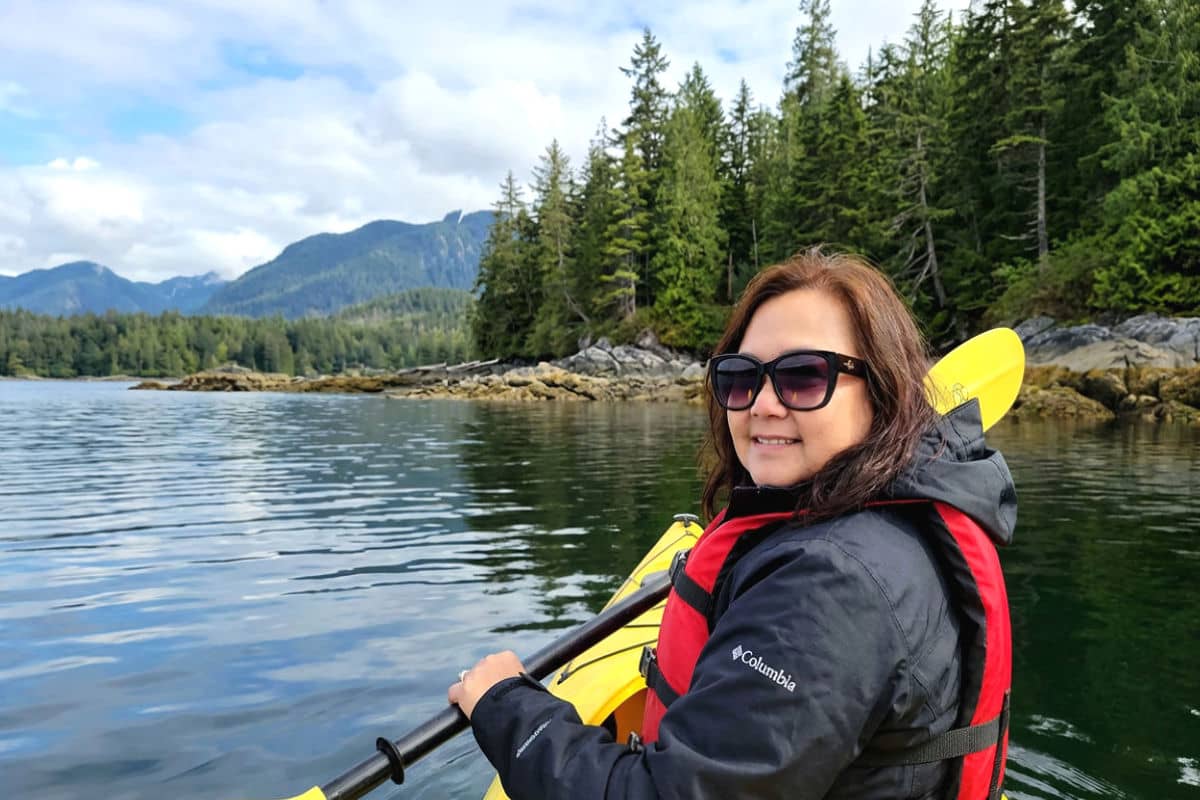
It is a worthwhile alternative if your itinerary already routes through Whittier or you are seeking an activity from nearby Girdwood.
Juneau
Juneau offers a gentler version of glacier kayaking, with trips on glacial lakes rather than open saltwater. It is a good option for cruise passengers who want glacier scenery without a full boat-assisted excursion, though the views are less dramatic than Seward or Whittier.
Lake kayaking is available on Mendenhall Lake, a 30-minute drive from the cruise port downtown. River rafting is also popular here.
Ready to book your kayaking adventure in Juneau?
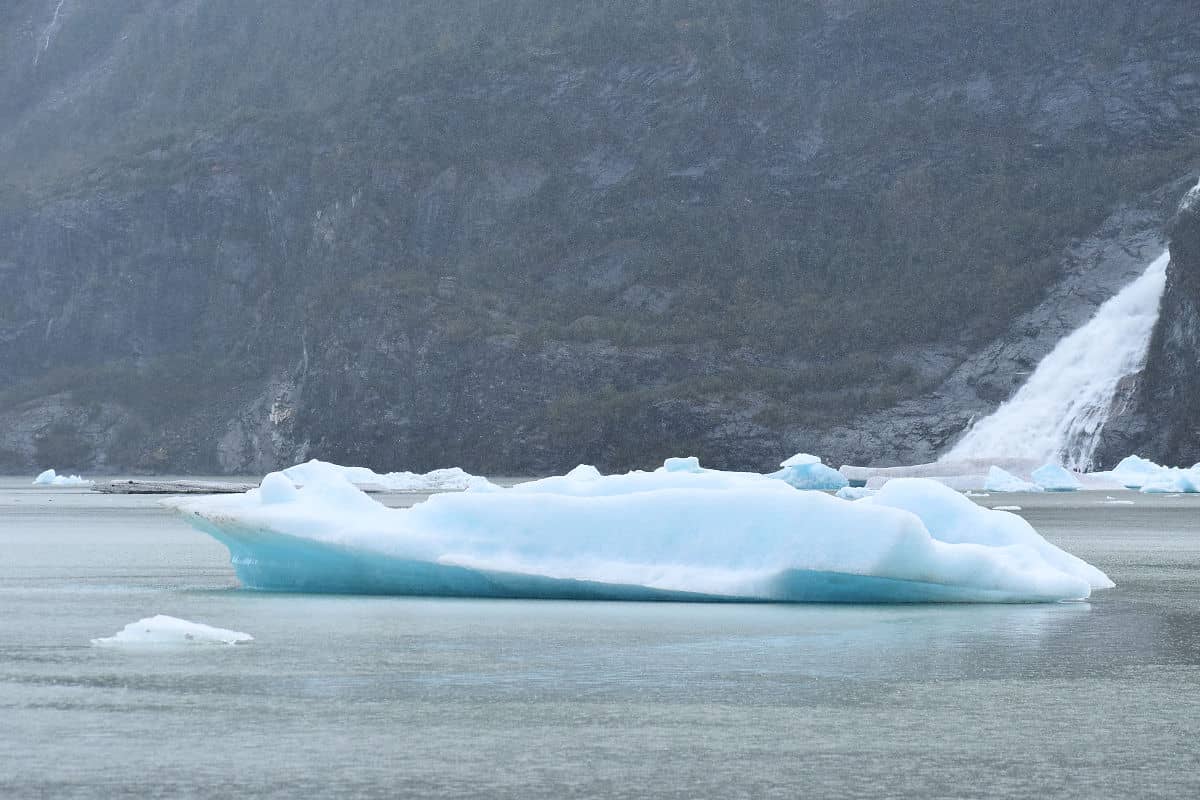
Mendenhall Lake Kayaking Excursion travels close to Mendenhall Glacier. We often encounter large icebergs on the lake.
Sea kayaking in Juneau provides distant views of Mendenhall Glacier and Juneau Icefield.
Kayaking In Alaska With Whales
Paddling within sight of a humpback whale is a different experience than watching one from a cruise ship’s deck. There is no engine noise, and the scale of the animal is more obvious when you sit just above the waterline. Here are the best destinations in Alaska to enjoy this experience.
Icy Strait Point
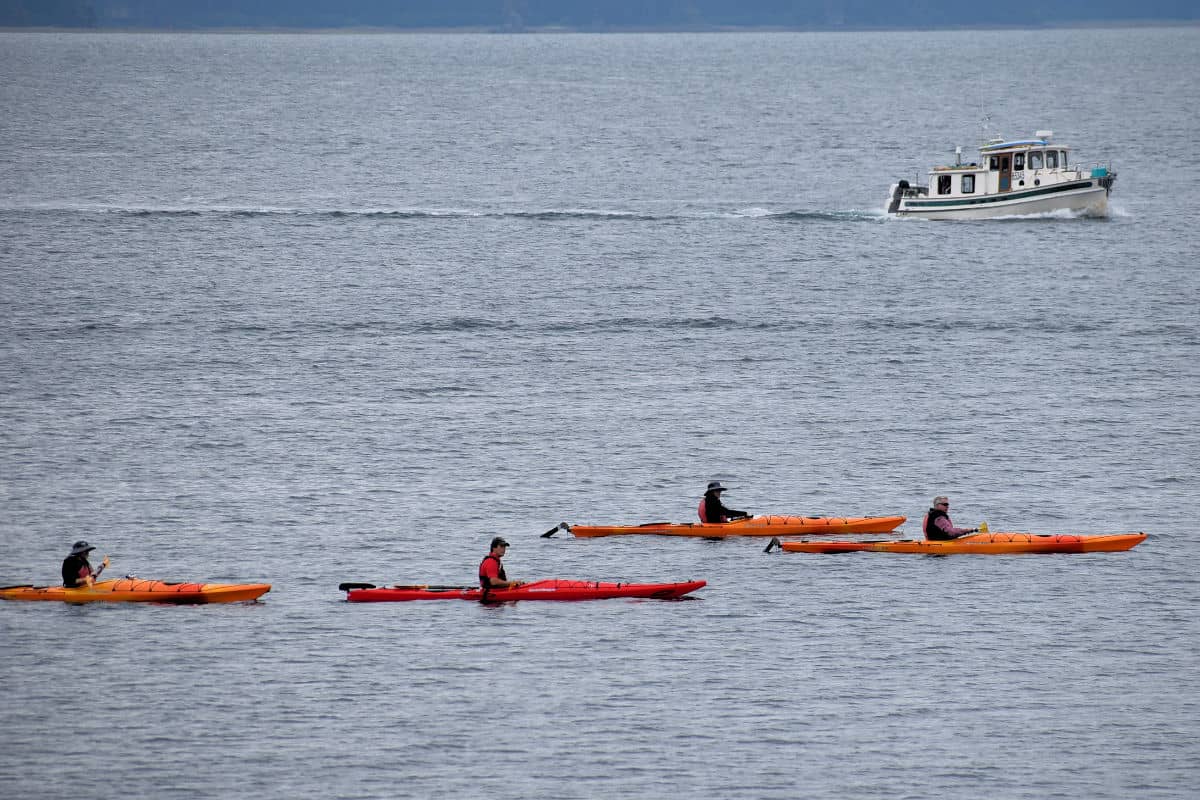
Icy Strait Point on Chichagof Island is one of the best places for kayaking with whales in Alaska. Port Frederick’s waters see frequent humpbacks and orcas, and several operators run kayak tours specifically built around whale sightings rather than general sightseeing.
Since Chichagof Island has a dense population of brown bears, there’s a chance to spot one along the shorelines.
Icy Strait kayaking tours last three hours and take place in protected waters, so the paddling itself is easy. The harder part is staying calm enough to keep paddling once a forty-ton animal surfaces nearby. My earliest encounter was mesmerizing.
Icy Strait Point whale watching is also a top excursion, if you prefer a more leisurely way to view the giants.
Seward And Resurrection Bay
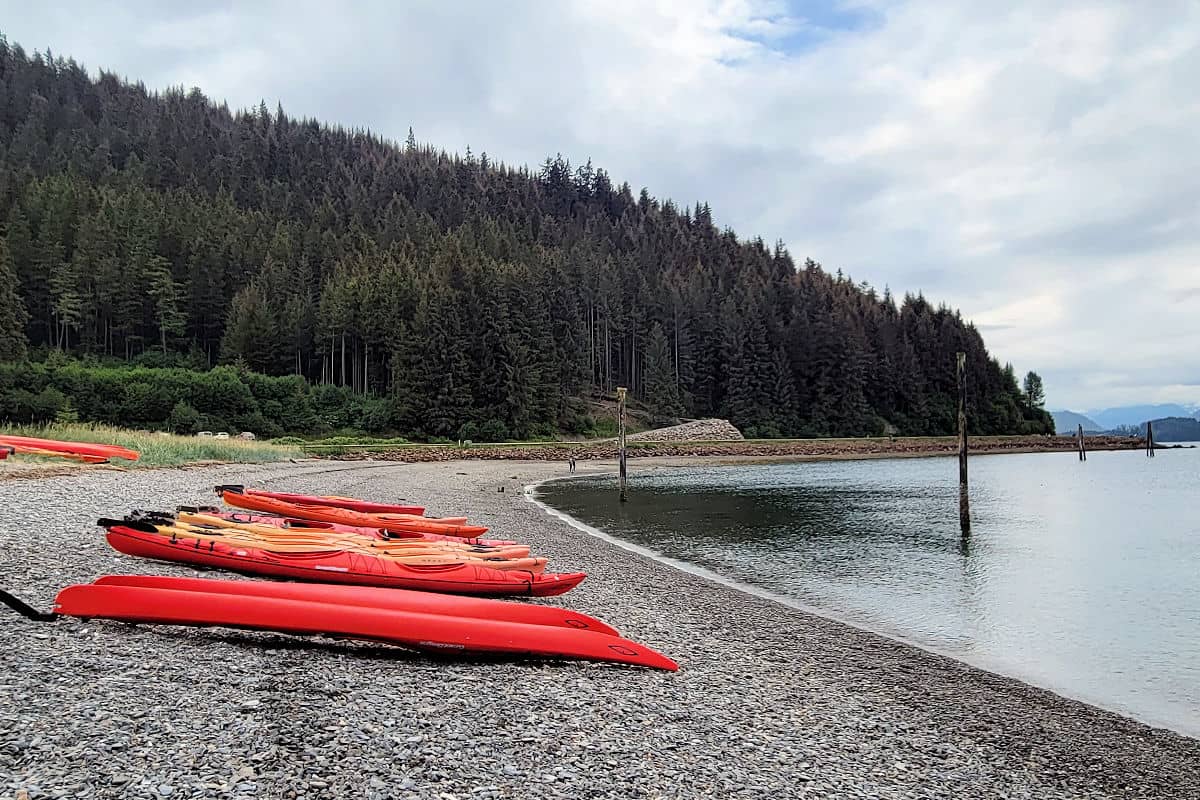
Seward also delivers solid whale sightings, particularly with humpbacks and orcas in Resurrection Bay. This Resurrection Bay kayak tour lasts 6 hours.
Whale-focused kayak trips here are less common than the wildlife boat tours. A few outfitters combine a short kayak segment with a larger wildlife cruise for travelers who want both options in a single day. An alternative to the 6-hour excursion is an inexpensive 4-hour trip and cost just over USD 100.
Scenic And Wildlife Kayaking Tours
Some excursions combine scenery with wildlife. Wildlife sightings vary from day to day.
Sea Kayaking Tours In Sitka
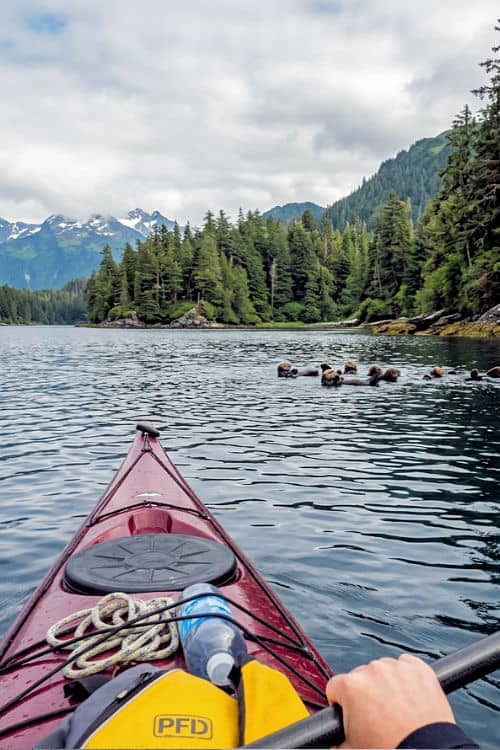
Sitka is the best spot in Alaska for kayaking with sea otters. The waters around Sitka Sound support one of the largest concentrations of sea otters in the state. The calm, protected channels make paddling easy, even for beginners.
Otter-watching tours move slower than glacier or whale trips since the goal is to glide quietly rather than cover distance. Guides know where otters gather, and groups often see eagles, harbor seals, and the occasional black bear along the shoreline as a bonus.
Ketchikan Kayaking Tours
Ketchikan is not mentioned as often as Sitka or Seward for kayaking. However, it is a solid option for cruise passengers who want a paddling excursion without a long transfer from the port. Tours typically launch from George Inlet or other protected coves near town.
These trips lean more scenic than wildlife-guaranteed. Bald eagles are a near-certainty, and harbor seals, porpoises, and the occasional black bear sighting along the shore are common bonuses.
For a bigger-ticket wildlife day, Misty Fjords National Monument is worth a look. Most visitors see it by floatplane or larger tour boat, but a handful of outfitters run guided kayak trips into its quieter inlets, to view granite cliffs and waterfalls without a flightseeing budget.
Kayaking In Seward, Alaska
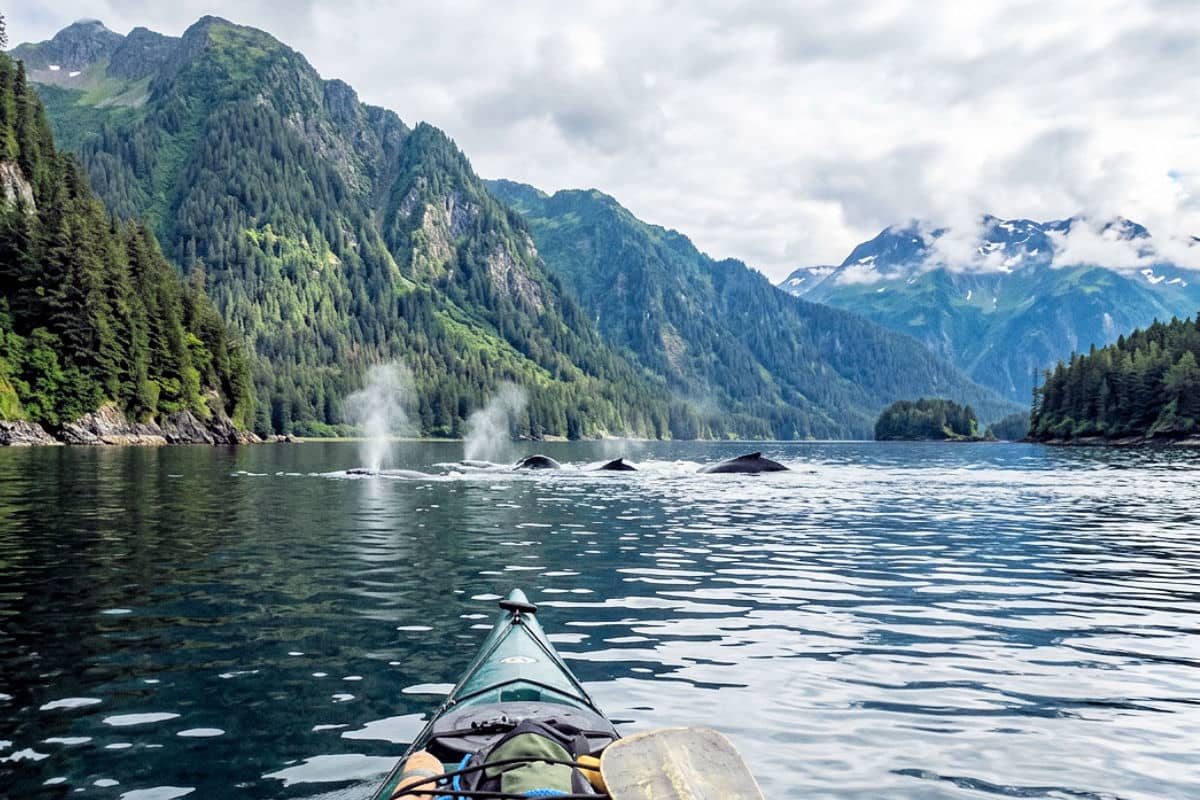
Seward deserves its own mention because it covers more ground than any other kayaking destination in the state. Glaciers, whales, sea otters, and puffins are all reachable from the same small harbor town.
If you are short on time, a half-day kayak tour from the Seward small boat harbor covers Resurrection Bay’s calmer waters and suits most fitness levels. If you have a full day, the boat-assisted glacier trips are worth the extra cost and travel time.
Treat Seward as the one place on this list where it is worth picking your tour based on how much time you have, rather than booking the first option you find.
Note that Seward is not a stop on most Inside Passage cruises. It is primarily reached by land or as part of a Gulf of Alaska itinerary. If you are deciding between routes, read our comparison of the Inside Passage vs. Gulf of Alaska for more on which cruise routes pass through Seward.
Choosing A Kayaking Tour: Experience, Age, And What’s Included
Do You Need Experience?
No prior kayaking experience is required for most Alaska tours. Most use stable, one- or two-person tandem kayaks, and guides give a basic paddling lesson on shore before launching.
Glacier and whale-watching kayak tours in protected water, such as those in Icy Strait Point, Sitka, and calmer parts of Resurrection Bay, are beginner-friendly by design. Mendenhall Lake is also great for beginners, with a chance to paddle by icebergs.
Boat-assisted glacier trips that travel farther into open water, such as the full-day options from Seward and Whittier, involve more time on the water and slightly tougher conditions.
Age Requirements
Minimum ages vary by operator, but each child must wear a life jacket. Weight limits per kayak are common, so verify the tour’s specific requirements if traveling with children or in a larger group. Solo kayaks are usually reserved for those with prior experience.
What’s Typically Included
- Kayak, paddle, and personal flotation device (PFD).
- Splash skirt or dry top, depending on water conditions.
- A guide and basic paddling instruction.
- Transportation to and from the launch point, often included for cruise excursions.
- Light snacks or water on longer trips (4+ hours).
Most tours do not include rubber boots or full rain gear, so check our Alaska packing list before you go. Waterproof layers and good footwear make a bigger difference on the water than on a typical shore excursion.
Comparing The Top Kayaking Spots In Alaska
|
Location |
Best for |
Duration |
Skill level |
|---|---|---|---|
|
Seward / Kenai Peninsula |
Glaciers, sea otters, puffins |
3–4 hrs or full day |
Beginner–Intermediate |
|
Icy Strait Point |
Whale watching by kayak |
2.5–3 hrs |
Beginner |
|
Sitka |
Sea otters, calm-water wildlife |
2.5–3.5 hrs |
Beginner |
|
Whittier / Prince William Sound |
Glaciers, icebergs |
3–5 hrs |
Beginner–Intermediate |
|
Juneau |
Glacier lakes, mountain scenery |
3–4 hrs |
Beginner |
Practical Tips From Our Own Kayaking Trips
Book glacier and whale-watching kayak tours early, especially in peak summer. Weather and water conditions sometimes cancel excursions, but be prepared to go rain or shine.
Dress in layers even on a sunny day. Water reflects cold air, and a calm morning paddle in Sitka can feel ten degrees colder than the same temperature on land. You can remove layers, but you can add warmth if you’re underdressed.
If you tend to get motion sickness on boats, kayaking is a gentler option on the water. Sitting low and the protected bays used for most tours have minimal swell. That’s a different consideration from the seasickness factor on a larger cruise crossing the Gulf of Alaska.
Cameras and phones go in a dry bag, not a pocket. Alternatively, waterproof neck pouches work well.
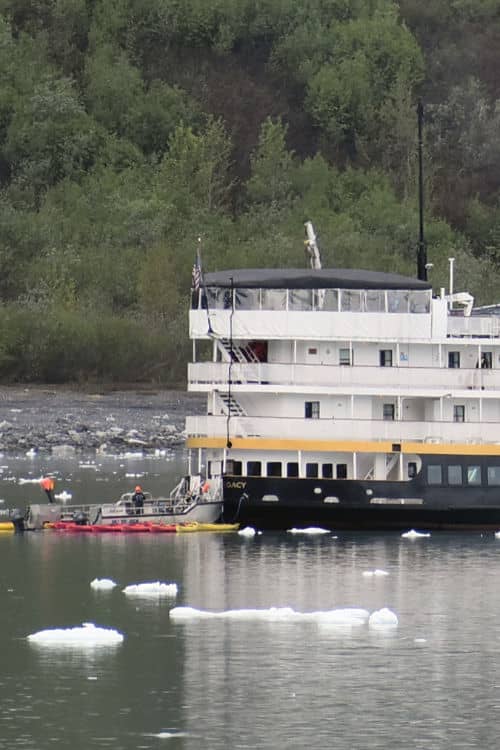
Kayaks on the back of an UnCruise vessel
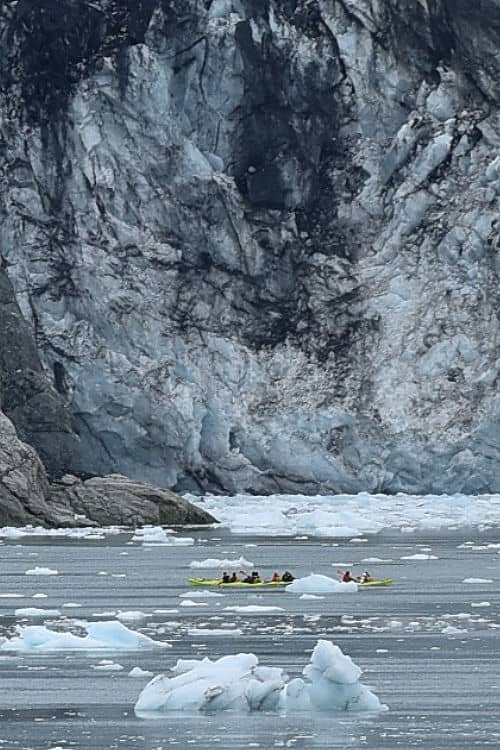
Kayakers at Margerie Glacier
Some smaller cruise lines, like UnCruise and Lindblad Expeditions, carry kayaks on board. Their immersive cruises include sea kayaking in Glacier Bay National Park and Wrangell-St. Elias National Park – no kayak rentals required.
Final Thoughts
Alaska kayaking offers a different vantage point than almost any other excursion on a cruise or land itinerary.
Whether you’re drawn to the scale of a calving glacier, the curiosity of a sea otter, or the sheer size of a breaching humpback, there’s a paddling trip suited to every ability level and timeframe.