
Alaska Inside Passage Cruise: May Vs. September Compared
When taking an Inside Passage cruise, May and September are often compared. Both shoulder-season months offer lower prices, fewer crowds, and cooler weather than peak summer. But they do not deliver the same experience. Daylight hours shift. Wildlife patterns change. Rainfall trends differ. Even the feel of the ports can surprise you.
If your priorities are saving money and avoiding crowds, your choice between May and September affects what you’ll see, do, and feel during your trip. Month selection matters more than you might expect.
We’ve traveled to Alaska in different months. We’ve seen how early-season energy compares with the quieter, moodier feel of late season. Here’s how May and September truly stack up.
Weather And Temperature Differences
May and September are both transition months for the Inside Passage. In May, daytime highs usually range from 50°F–59°F (10°C to 15°C), with nights around 39°F–45°F (4°C to 7°C). It’s cooler and often drier. Snow may linger on peaks, and crisp air fills mornings.
By September, daytime highs range from 54°F to 61°F (12°C to 16°C), with nights dropping to 43°F to 48°F (6°C to 9°C). Early fall brings more rain and moody skies, but also longer golden hours. Nights are cooler, and mosquitoes are rare.
Snow flurries can occur both months at higher elevations. The key to an Alaska trip is packing layers. Bring waterproof coats and shoes, especially for later trips. Rain can occur anytime, even in drier months.
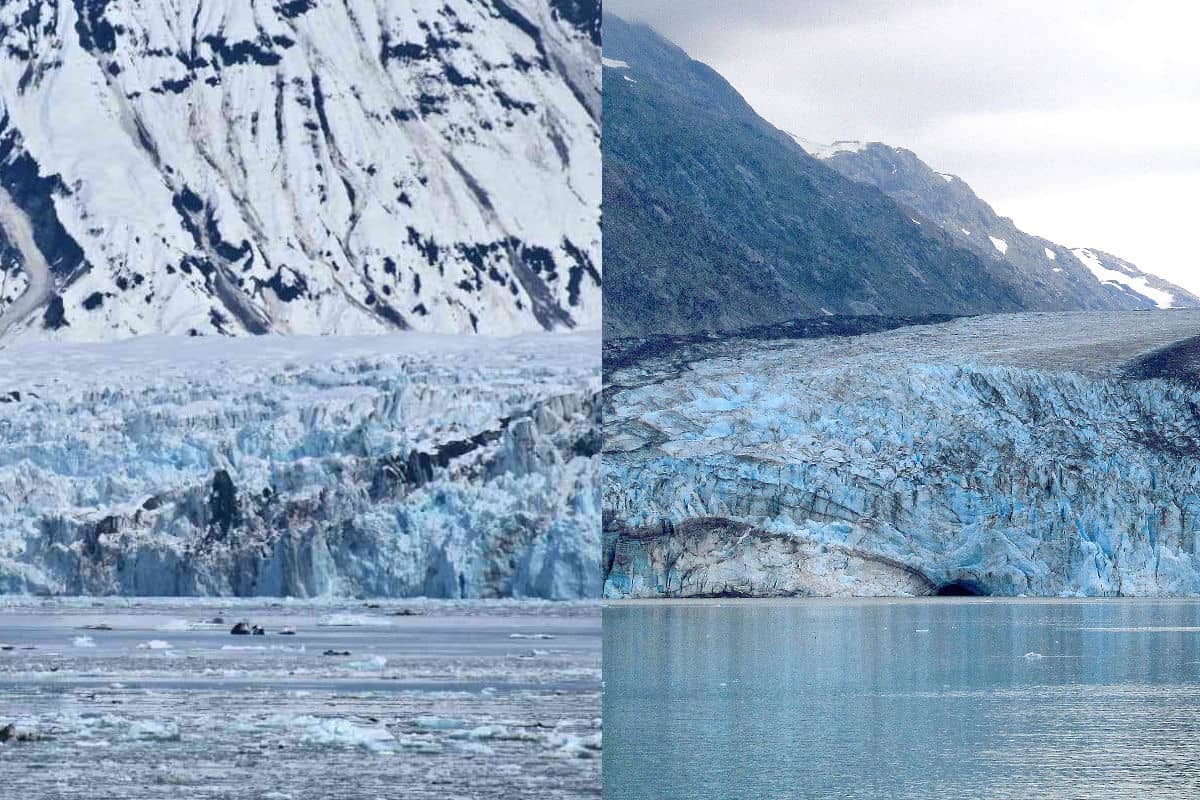
During an Alaska May visit, snow-capped mountains blend into tidewater ice at Hubbard and Margerie Glaciers. Winter hasn’t fully left, especially early in the month. The images it creates are hard to beat.

Mosquitoes increase by mid-May. Skagway’s Chilkoot Trail can be intense, which I learned first-hand. September’s cooler nights mean fewer bugs, but its wetter days mean trails may be off-limits.
Both months can see rough seas from Pacific weather, but September tends to be stormier than May. If prone to seasickness, Alaska cruise itineraries to Sitka on Baranoff Island generally have rougher waters. So avoid Sitka or use a motion sickness patch.
Cruise Prices
Shoulder season offers the lowest cruise fares. April and May have early promos and better cabin choices for planners.
September brings last-minute cruise discounts as ships try to fill inventory. These deals suit travelers near departure ports or travelers that can drop-and-go.
In April and May, some cruise lines offer 4- to 5-day sailings to Alaska. These short trips are low-cost and suit those who prefer less than a week. Be aware that they don’t include a glacier viewing day; only a port day or two instead.
Scenery: Snow-Capped Peaks Vs. Fall Colors
In May, winter loosens its grip. Snow lines still grace the mountains. Clearer, drier days improve visibility for photography, especially at Hubbard Glacier and in Glacier Bay National Park.

Rising temperatures trigger strong snowmelt, which feeds dramatic waterfalls. These are especially beautiful in fjords like Misty Fjords National Monument and Nugget Falls in Juneau.
May is a great time to take a road trip in Alaska. The Klondike Hwy is beautiful in May, with snow in the White Pass, and breathtaking lookouts.
September shifts the palette. As summer fades, alpine tundra and low shrubs turn gold, orange, and rust. The Tongass National Forest shows more muted tones, but ground cover adds rich color.
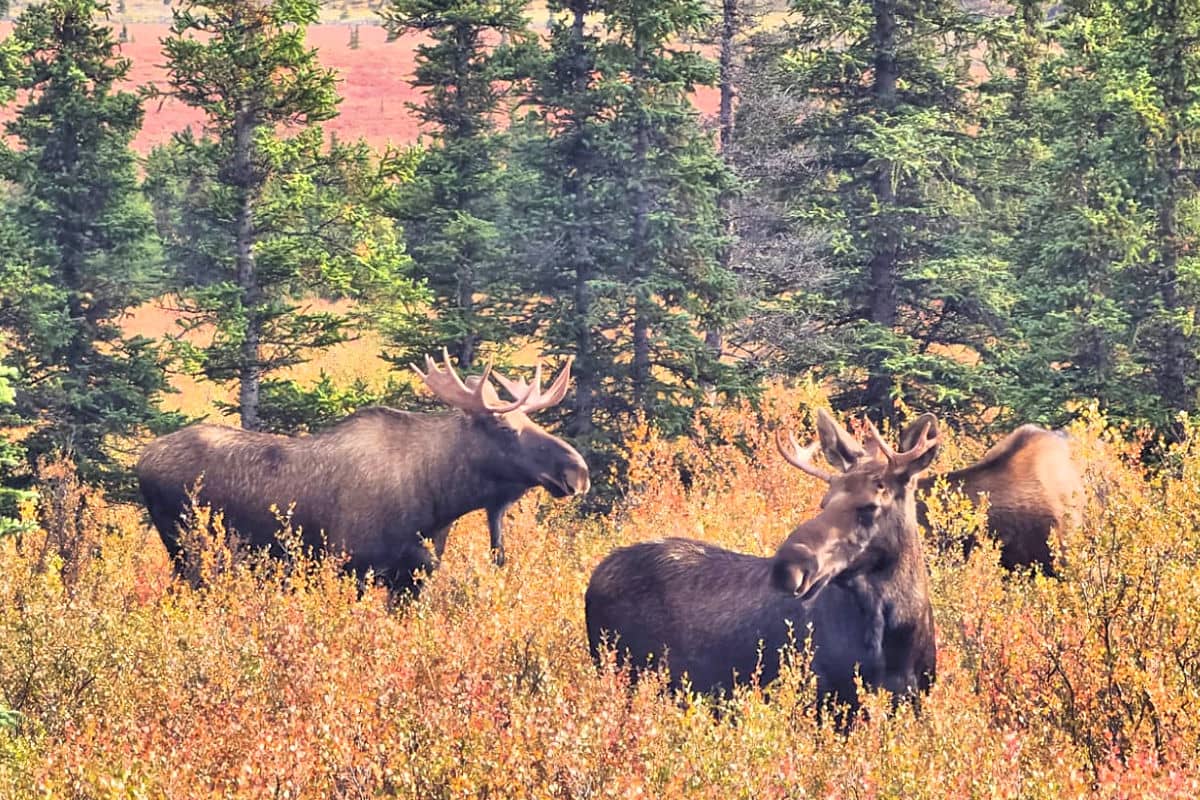
Fall colors are intense on cruise-and-land tours to Denali, where interior Alaska changes quickly. Though cruise tours end mid-September, late-season guests see vibrant foliage and the moose rut (when males gather breeding females).
Wildlife Viewing: Which Month Wins?
Whale Watching In May Vs. September
Both May and September offer excellent whale-watching opportunities in Alaska, but the behavior differs. Humpbacks migrate from Mexico and Hawaii to feed in Alaska’s rich waters.
The males arrive first, and sightings are common near Icy Strait, Port Frederick (Hoonah), and the entrance to Glacier Bay.
In September, some humpbacks begin migrating south. Mothers with calves often depart earlier, while adults feed before leaving. You may see more active feeding earlier in summer, but an Alaska visit in September still provides strong encounters.
Resident orcas are sometimes spotted in Alaskan waters, and there’s no prime month. We’ve seen orcas in Ketchikan and Juneau. For cruise guests stopping in Victoria, orca sightings are more frequent than humpback sightings.

Seasonal Salmon Runs
Both months produce salmon runs, but the variety will vary. May brings early runs of Chinook (King) salmon in some regions, including parts of Southeast Alaska and the Kenai system.
September is prime for Coho (Silver) salmon, especially near Ketchikan, the Chilkat River (Haines), and the Chilkoot River (Skagway).
Bear Watching
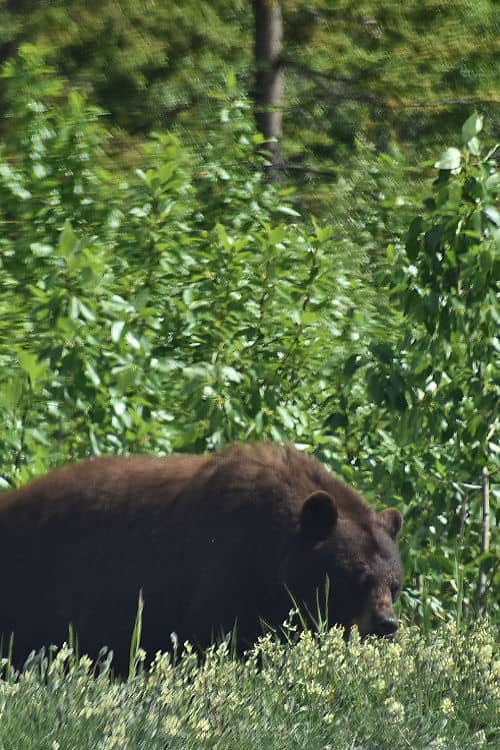
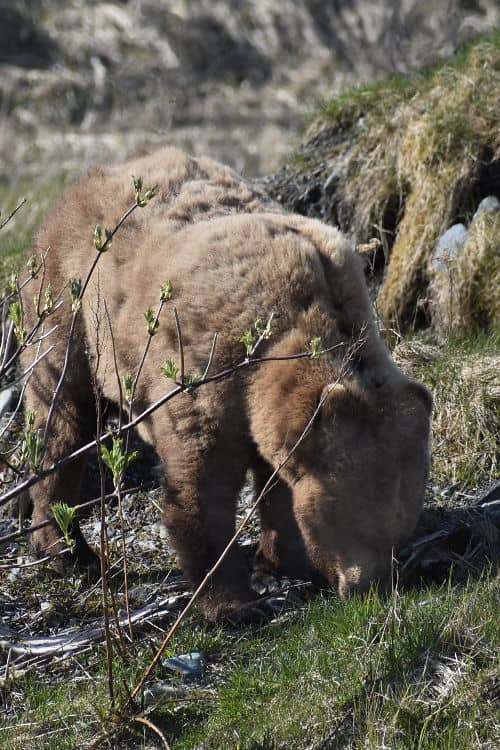
Bears emerge from hibernation in spring. In May, they often feed on grasses, sedges, and intertidal life before the salmon peak. September usually provides better bear viewing, as salmon runs are active and bears focus on high-calorie feeding before winter.
If you want to forego a tour, there are chances to see black bears on the Klondike Hwy. Rent a car in Skagway and drive to Emerald Lake in the Yukon. The drive is spectacular, and travels through different climatic zones.
Harbor Seals And Sea Otters
Marine wildlife is plentiful in Alaska. With binoculars and a keen eye, cruise guests can spot porpoises, orcas, sea lions, and whales through the Inside Passage.
But when visiting a glacier in May, sea otters and harbor seals often have pups. Prime spots include Margerie Glacier in Glacier Bay, Harvard Glacier in College Fjord, and Sawyer Glacier in Tracy Arm.
Harbor seals grace icebergs beneath the glacier’s terminus. Sea otters float by, bobbing on the ocean surface. We saw many at Johns Hopkins and Harvard Glaciers, and also on the approach to Valdez in the Gulf of Alaska.

Bird Migrations In May And September
In spring, shorebirds like Western Sandpipers and Black-bellied Plovers arrive to breed. Seabirds and raptors, such as Bald Eagles, also become more active.
By September, many of these species begin heading south. Sandhill Cranes and Tundra Swans pass through on their way to wintering grounds. Warblers, Flycatchers, andSwifts move through during fall migration, creating dynamic birdwatching opportunities.
Glacier Viewing Conditions
The highlight of any Inside Passage Alaska cruise is glacier viewing day. Glacier viewing conditions also change by month. Here’s what you can expect in May versus September.
Access To Southeast Alaska Fjords
Cruise ships often skip Tracy Arm and Endicott Arm in early May. Winter ice blocks narrow passages and prevents full fjord transits to the glaciers. We felt disappointed on our first visit and now avoid early May.
Cruise lines sometimes switch from Tracy Arm to Endicott Arm because it is wider and has less ice. Other times, ships sail the fjord slowly and turn around half-way.

If both fjords are inaccessible, ships usually cannot substitute another glacier. Permit limits and access rights restrict alternatives.
Glacier Color and Snow Contrast (May Advantage)
Glaciers often look bluer in May. Fresh snow covers the surrounding peaks, and that white backdrop boosts contrast. Crevasses and ice faces stand out clearly. Photos often look sharper and brighter.
Calving Activity (September Uptick)
Late-season melting can increase calving in September. Warmer summer temperatures weaken glacier faces, resulting in spectacular displays. Expect more thunder-like cracking sounds near tidewater glaciers, such as Margerie, Hubbard, or Harvard Glaciers.
More calving creates a scattering of icebergs. Summer melt pushes the ice farther from the glacier. Pieces spread across wider areas of the bay. In contrast, thicker ice sits near the glacier face in May.
Shoulder Season Excursion Availability
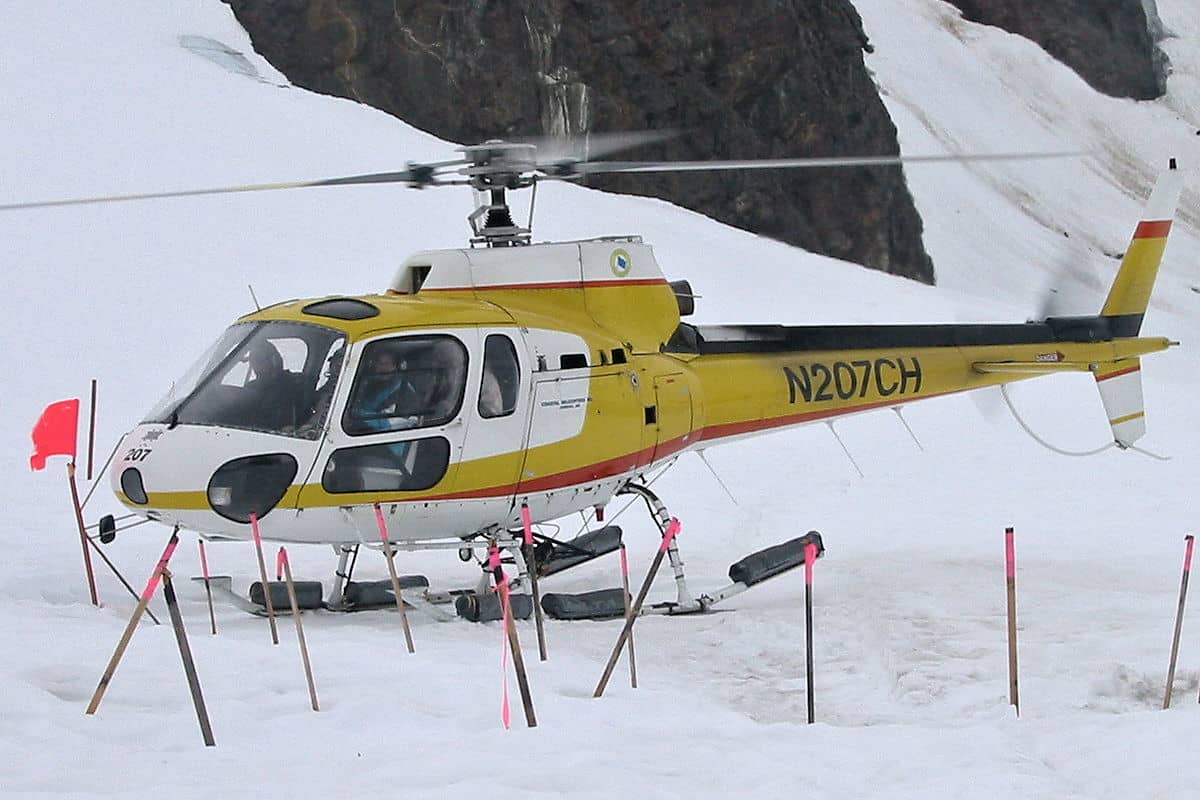
Most major tours operate in both months, though weather and ice conditions can affect start dates. Helicopter excursions usually begin in mid-May and end by late August or early September.
Small boat glacier tours follow a similar schedule. The Tracy Arm Fjord Explorer, Columbia Glacier cruise (from Valdez), and Glacier Quest cruise (from Whittier) typically operate from mid-May to mid-September.
For early May or late September cruises, Phillips Cruises in Whittier offers the 26 Glacier cruise, an all-day tour featuring wildlife viewing and visits to over two dozen glaciers.
Some tours are unavailable during the off-season, including:
- Katmai brown bear tours to Brook Falls.
- Bear-viewing excursions to the Anan Wildlife Observatory.
For bear viewing, two options are available further south. Pack Creek Bear Viewing on Admiralty Island near Juneau operates from mid-May to mid-September. Icy Strait Bear Search on Chichagof Island is available both months.
Can You See The Northern Lights?
Alaska’s aurora borealis displays are spectacular. While winter is the best time for viewing, there’s a chance to see them on an Inside Passage cruise. September or October are the best months, as the nights are getting longer.
The northern lights are generally not visible in May.
May Vs. September: Pros And Cons
The following table summarizes the differences between a May voyage and a September sailing.
|
FACTOR |
MAY |
SEPTEMBER |
|---|---|---|
|
Pricing |
Low |
Low |
|
Rain |
Lower |
Higher |
|
Snow on peaks |
Yes |
Minimal |
|
Fall colors |
No |
Yes |
|
Aurora borealis |
No |
Possible |
|
Bear sightings |
Minimal |
More likely |
|
Whale sightings |
Yes |
Yes |
Many Alaskan stores only operate during cruise season, so September guests can take advantage of end-of-season sales in souvenir shops.
Who Should Choose May?
- First-time Alaska cruisers, who like to plan but save money too.
- Snow lovers who like the white landscapes over the green.
- Travelers who dislike rain.
- Photographers wanting bright contrast.
Who Should Choose September?
- Budget-focused cruisers who can cruise last minute.
- Fall color fans.
- Travelers who like fewer tourists.
- Northern lights hopefuls.
As you can see, there is no clear winner. We prefer May for its drier weather and don’t mind the colder days. Others may prefer September to see the aurora. So, choose May for classic Alaska visuals and better weather odds. Alternatively, September offers value, color, and a quieter vibe.
