
Alaska In September: A Fall Wonderland And Aurora Skies
Autumn is one of my favorite times to travel because fall brings a refreshing change in scenery. Landscapes are transformed to warm hues as if painted by Cézanne. Alaska is everything we expect in September, with a unique blend of unspoiled landscapes and seasonal transitions.
September marks the beginning of shoulder season. It’s a great time to visit Alaska, to save money, avoid summer crowds, and enjoy cooler temperatures.
With the arrival of shorter days and darker skies, witnessing the mesmerizing aurora borealis is possible, especially in the interior.
The fall changes wildlife habits, with some species participating in the seasonal ruts. As males herd their females, we’ve witnessed animal groups instead of solitary creatures.
With winter around the corner, some species in Alaska begin migration. We can witness this unforgettable spectacle if we time our visit right.
Overview Of Alaska In September
September marks a transitional period in Alaska, blending the summer’s last glimpses with the onset of autumn. In Kenai National Park, brown bears feast on the last of the salmon for hibernation, and the humpbacks start their long journey to Hawaii.
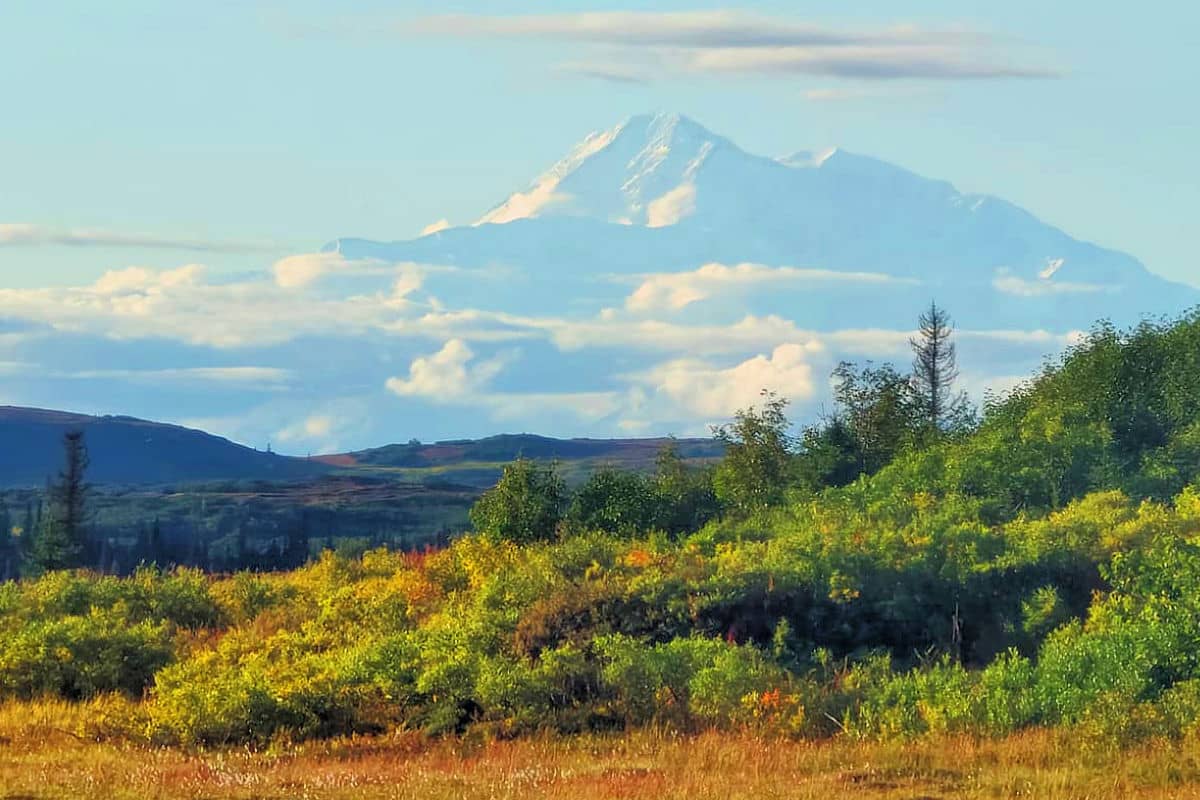
As summer gives way to fall, the landscapes change to a vibrant tapestry of yellows, reds, and purples. The tundra and lowbush berries create striking contrasts that paint the scenery in breathtaking hues.

Climate And Weather Patterns
Alaska’s weather in September can be unpredictable. As temperatures cool down, expect daytime highs bewteen 50°F to 60°F (around 13°C) in the south, with nighttime lows dropping 20°F to 30°F. We found the nights especially cold in Denali when the winds whipped up.
Rainfall increases in many areas, particularly in coastal regions. If taking a late-season cruise, we recommend packing layers, including waterproof jackets, warm sweaters, and waterproof footwear.
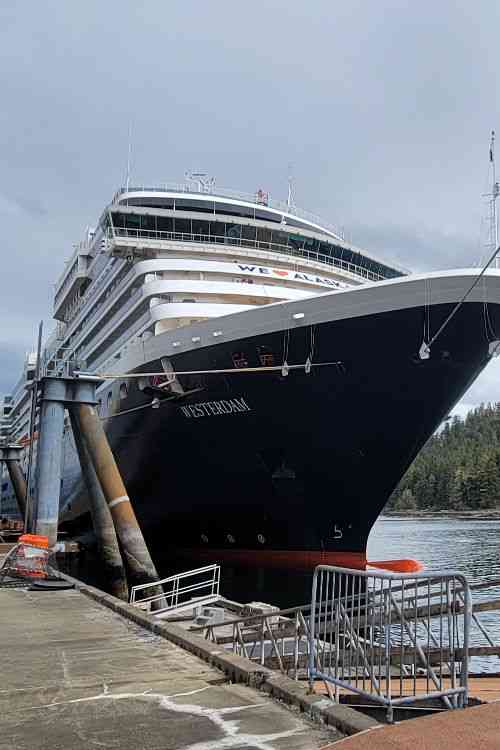
Off-season cruises are more susceptible to stormy weather. They may experience choppy seas, especially those docking in Sitka Sound, which faces the Pacific Ocean. Some late-season cruises even skip Sitka if the rough waters prevent safe docking.
Regions such as Fairbanks frequently enjoy bright, chilly days that are perfect for engaging in outdoor pursuits. Snowfall can occur at elevated locations, enhancing the mountainous scenery’s beauty.
Daylight Hours And Aurora Borealis
In September, the state undergoes a noticeable shift in daylight hours. In Anchorage, daylight decreases from about 14 hours at the start of the month to 11.5 hours by the end. This reduction in daylight creates prime conditions for aurora viewing.
The northern lights become increasingly visible as nights grow longer. Clear, dark skies away from city lights offer the best chances to witness this spectacular phenomenon. Popular viewing locations include Fairbanks, Tok, and remote areas of the Interior.
Some hotels in prime viewing locations provide wake-up calls should the aurora show its colors.
Are Businesses Still Open?
As the summer winds down in Alaska, some businesses close for the winter. Early closures are those most affected by weather, such as helicopter and flightseeing tour operators that rely on clear skies to fly.
National parks remain open, with visitor centers often operating on reduced hours. Denali National Park’s bus services usually run until mid-September, offering a last chance to explore the park’s interior before winter closure.
The Alaska Railroad offers daily routes until mid-September, then changes to a reduced winter schedule.

Estimated tour closures:
- Dog sledding on a glacier in Juneau or Skagway – end of August.
- Portage Glacier Cruises – close after the Labor Day weekend.
- Prince William Sound Cruises – The last cruise is in mid-September.
- Misty Fjords flights – run until the end of September or the first few days of October.
Many tourist-oriented businesses remain open through September. It’s a great time to snag those discounted Alaskan souvenirs as they wind down. However, shops with seasonal workers may close earlier if their staff are heading back to school.
Major attractions, hotels, and restaurants in popular destinations like Anchorage, Fairbanks, and Juneau typically maintain regular hours.
Pricing And Crowds
With the return of children to school, September offers a sweet spot for budget-conscious travelers. As peak season winds down, prices for accommodations and tours often decrease.
With fewer people, popular attractions and national parks become less congested. This reduction in tourism also means easier reservations for hotels and activities.
Cruise lines frequently offer discounted fares for September sailings. However, some cruise operations, such as Cunard, wind down by mid-month. So, early September is ideal for taking advantage of both deals and availability.
Traveling To Alaska
When planning an Alaska fall visit, choosing between seeing the state by sea or driving the Alaska Highway is a tough choice. Both provide spectacular views but the latter offers more freedom to do so at your own pace.
Best Travel Routes
Flying into Anchorage International Airport offers the quickest access to Alaska’s main attractions. The airport provides a plethora of car rentals, as well as RV options nearby.
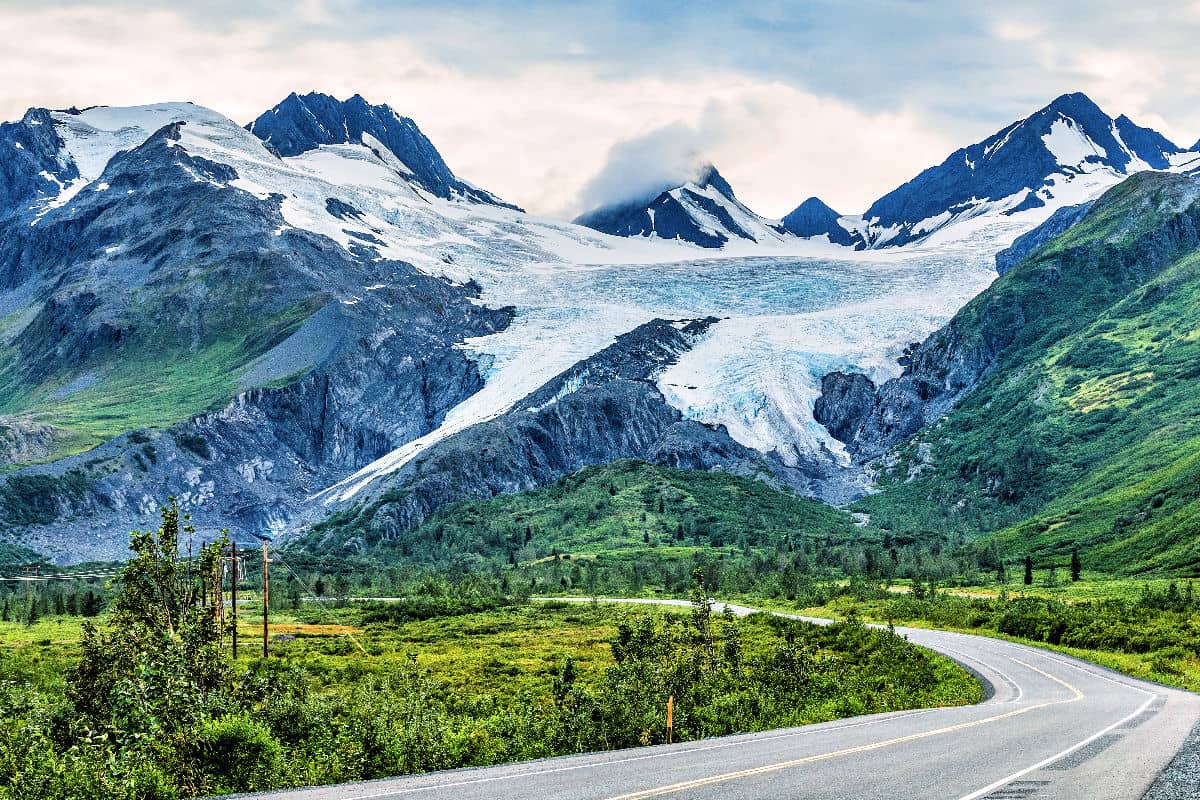
You can drive south from Anchorage to explore the Kenai Peninsula or take the Alaska Railroad for a picturesque journey. Visiting Portage Glacier and the Alaska Wildlife Wilderness Center is recommended with a rental.
Heading north instead allows for exploration of Talkeetna, Denali, and Fairbanks. Denali National Park is charming in September. The moose are more active as they participate in the seasonal rut.
For those driving, the Alaska Highway provides a stunning 1,387-mile route from Dawson Creek, BC to Delta Junction, AK. Allow at least a week for this trip, stopping at Liard Hot Springs and Kluane National Park along the way.
Ferry services like the Alaska Marine Highway System connect coastal communities, offering a unique way to see the Inside Passage.
Cruising To Alaska In The Fall
September cruises to Alaska offer smaller crowds and potential savings. Most cruises depart from Seattle, Vancouver, Seward, or Whittier lasting 7-14 days. Popular stops include Juneau, Skagway, and Ketchikan.

We suggest booking a balcony cabin to enjoy the changing fall colors and possible northern lights sightings. Since fall brings unpredictable weather, some guests stay onboard during wet port days. However, it’s one of the best months for Alaska cruises to save money.
Be prepared for cooler temperatures and possible downpours. Pack layers and waterproof gear. Many excursions, including whale watching and rafting, still operate, even when it’s raining.
Packing For A Fall Trip
Proper packing is crucial for an enjoyable fall journey to Alaska. The key to an Alaska packing list is having waterproof, not water-resistant gear.
Clothing And Gear
Layering is crucial for Alaska’s variable fall weather. Pack a waterproof outer shell jacket and pants to stay dry. Columbia jackets, our favorite brand, has a 3-in-1 design. Its versatile two layers can be worn three ways.
Underneath, bring fleece or wool sweaters for warmth. Long-sleeve shirts and thermal underwear serve as base layers.
Waterproof hiking boots are crucial for outdoor adventures, but mosquito repellent is no longer required in September. Pack warm socks, gloves, and a beanie or warm hat. Remember rain gear like compact umbrellas or ponchos.

We wear Vessi footwear, known for its 100% waterproofing properties, for everyday use in low and high tops. Since we live in a wet city, this is our go-to brand for home and travel.
Binoculars aid in wildlife spotting, especially in Denali National Park. A waterproof daypack is helpful for excursions.
We recommend packing layers to prepare for cooler weather and potential rain. In September, the days will begin and end cool. It’s also the rainiest month in Alaska. However, it shouldn’t stop you from enjoying wildlife viewing, hiking, and scenic drives amidst the autumn splendor.
If you’re not fond of rain but want to benefit from fewer crowds and lower prices, consider traveling to Alaska in May. It’s regarded as one of the driest months.
Outdoor Activities
September in the Last Frontier offers diverse outdoor activities as summer transitions to fall. The changing landscape provides unique opportunities for adventure and exploration.
Hiking And Nature Walks
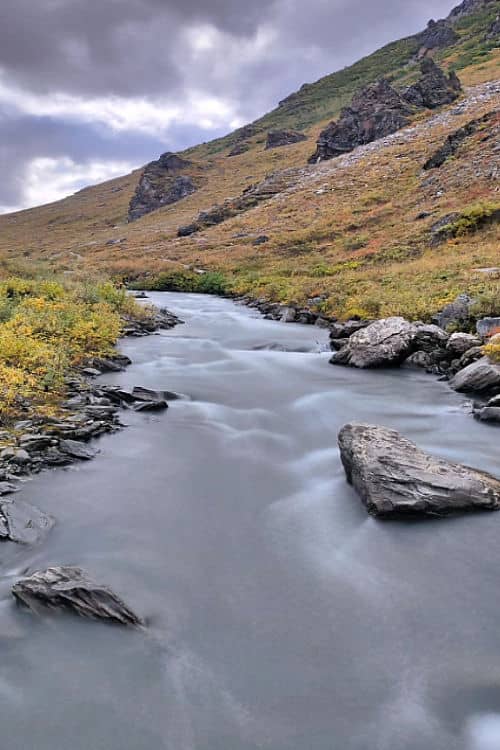
In September, Alaska’s trails burst with color as the tundra transforms into a vibrant autumn palette. We recommend hiking in Denali National Park, where the crowds have thinned, and wildlife is active. The cooler temperatures make longer treks more comfortable.
Popular trails include:
- Savage River Loop is an easy 2-mile route suitable for all hiking abilities.
- Mount Healy Overlook is more moderate at 5.4 miles but offers spectacular views of the Nenana River.
- Horseshoe Lake Trail is another easy option at 2 miles.
Remember to pack rain gear for rapid weather changes. Bear activity increases in fall, so carry bear spray and make noise while hiking. If hiking in bear country makes you nervous, choosing a route like Savage River with more hikers is advisable.
Fishing In Alaska
September fishing in Alaska targets silver salmon and rainbow trout.
Popular spots include:
- Kenai River for silver salmon, also known as Coho.
- Bristol Bay for rainbow trout. However, Coho salmon are still present in the early weeks.
- Copper River for late-run sockeye salmon.
Wildlife Viewing And Migration

September marks peak wildlife activity in Alaska. We often spot moose, caribou, and bears foraging to prepare for winter. Denali and Katmai National Parks offer excellent viewing opportunities.
Moose rutting season is in full swing. Denali is a great place to see them. Moose tend to be solitary most of the year, but the fall rut brings them together. Be aware that animals are more aggressive during the rut, so never be tempted to get closer for that selfie.
Whale watching is exceptional in September. Humpbacks and orcas are visible along the coast before their southern migration. We recommend tours from Icy Strait Point or Juneau for the best sightings.
As snow begins to fall in Northern Alaska, Caribou migrate to the Southern Brooks Range. They will continue their constant move further south during the winter months.
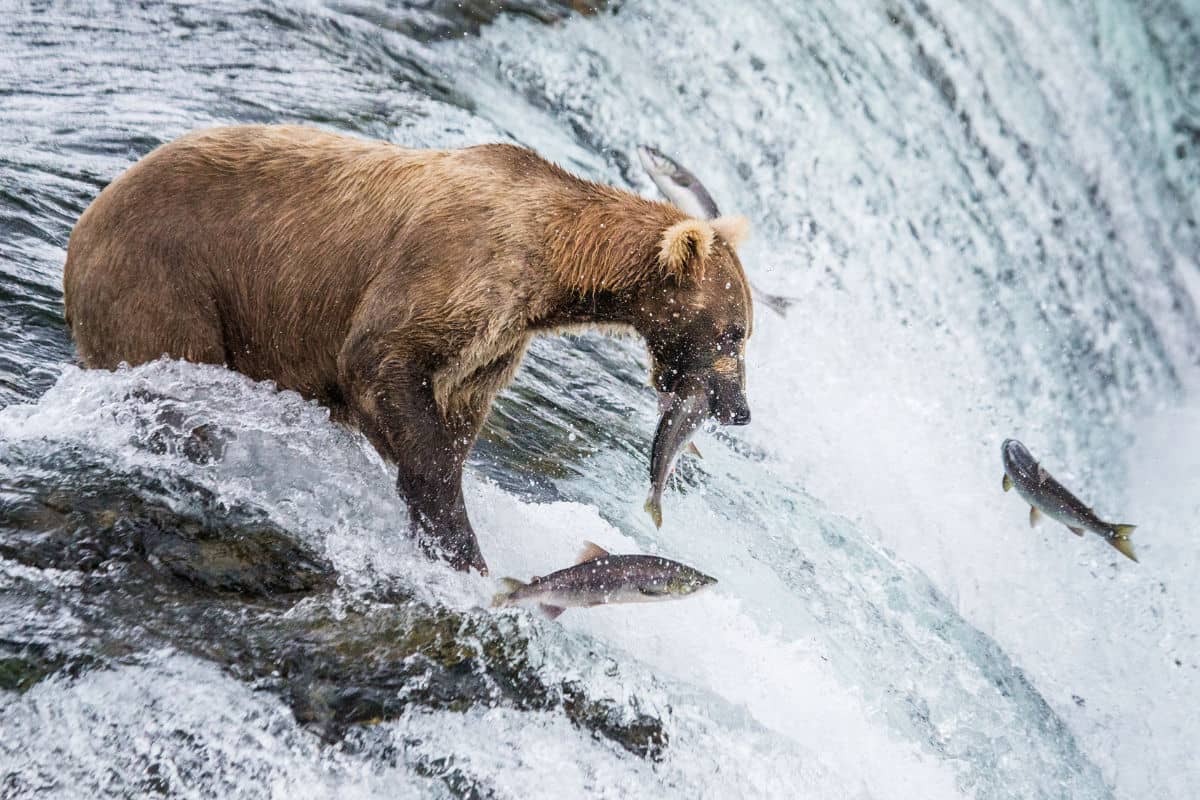
September brings the last chance for bears to fatten up for the winter. In Katmai, they’ll eat berries and the last of the salmon. Through webcams, viewers get to see the chunkies and vote on their favorites during “Fat Bear Week,” beginning at the end of the month into early October.
Cultural Events And Festivals
September offers a vibrant array of cultural experiences. Exploring local festivals showcasing Alaskan traditions brings the state’s rich history to life.
Every year, the Alaska State Fair in the Mat-Su Valley draws crowds eager to experience its agricultural displays, vibrant entertainment, and Alaskan traditions. Further south, Juneau’s Food Festival celebrates local cuisine and culinary arts.
The Fall Gathering at the Alaska Native Heritage Center provides a deep dive into indigenous cultures. The event typically includes traditional dance performances and art demonstrations. Their storytelling sessions offer an immersive experience of Alaska’s native peoples.
As September rolls in, communities across Alaska come together to celebrate the end of harvest season. These festivals perfectly blend local produce, handmade crafts, and plenty of activities for the whole family.
Is September The Ideal Time To Visit Alaska?
September in Alaska offers changing landscapes, crisp air, and wetter weather. This month is ideal for outdoor enthusiasts who prefer a more serene visit and are okay with the less-than-perfect climate conditions.
As daylight hours dwindle, September welcomes the chance to witness the dancing aurora. This breathtaking phenomenon draws travelers from around the world.
Once you witness the vibrant greens, purples, and reds of the auroras, you’ll understand the allure of Alaska in the off-season.
